
 English
 Français
 عربى
عربىKaws, the creator is an American street artist with representative works such as "The Long Way Home". In 2006, he founde...
See Details

Article Directory
Walk through the main atrium of any mid-sized shopping mall and chances are you will find one: a life-size cartoon character statue, surrounded by families taking photos. The same object, in different forms, stands outside game stores, inside hotel lobbies, and along pedestrian streets. A statue of a cartoon character is, in simple terms, a three-dimensional reproduction of an animated, comic, or video-game figure, built at a deliberate scale in a material suited to the environment where it will stand. Behind every successful piece lie three decisions that determine most outcomes: material, size, and the quality of the manufacturing process. Get them right and the statue attracts attention for a decade; get them wrong and it becomes a fading, cracking maintenance problem.
Cartoon character statues cover a broad range of products: anime heroes, comic-book icons, mascots from animated series, video-game characters, and designer toy figures. The one thing they share is that they start as a 2D illustration or a digital model and end as a physical, often larger-than-life object. On the market, they are used in four practical ways:
The intended purpose matters before any creative discussion begins, because it decides the material, the structural design, the finishing standard, and the budget range.
For most buyers, material is the first major decision. The short conclusion: fiberglass-reinforced plastic (FRP, commonly called fiberglass) is the default for professional projects, while resin dominates small indoor pieces and collectible-grade work. Cast bronze, stainless steel, and stone appear in permanent public art, but they are the exception rather than the rule for cartoon characters.
Fiberglass offers the best balance of weight, strength, and surface finish. A life-size fiberglass statue weighs a fraction of what the same piece would weigh in bronze or stone, which lowers shipping and installation costs dramatically. It reproduces the smooth, rounded lines that cartoon characters need, and it holds up well outdoors when built with a gel coat and weather-resistant paint.
Resin delivers sharp detail and a smooth, glass-like surface, which makes it the preferred material for display pieces under one meter. For indoor locations — store counters, home shelves, exhibition booths — resin is hard to beat. The limitation is outdoor longevity: resin exposed to strong sunlight will chalk and yellow unless protected by a heavy-duty coating system.
A fiberglass statue is not a solid block. Large pieces are built as a laminate shell over an internal steel armature, with a gel coat outer layer and multiple coats of automotive-grade polyurethane paint. The steel structure carries the wind load and keeps the statue stable on its foundation; the gel coat and paint absorb UV exposure and moisture. These details, not the material name alone, determine the practical lifespan of the piece — typically five to ten years before a repaint is needed. A good practical example is our custom Pokémon Center statue of Pikachu and Charizard, which combines an internal steel frame, a hand-laminated fiberglass shell, and UV-resistant paint; that combination is why the piece can work both indoors in a mall and outdoors under a protective canopy without significant color loss.
| Material | Typical use | Main advantages | Main limitations |
|---|---|---|---|
| Fiberglass (FRP) | Outdoor and indoor, life-size and larger | Light, strong, weather-resistant when coated, cost-efficient at scale | Surface needs periodic maintenance |
| Resin | Indoor display, small collectibles | Excellent detail, smooth finish, low cost at small scale | Poor UV resistance if uncoated |
| Cold-cast bronze | Indoor display, premium collectibles | Bronze look, heavy weight, perceived value | Fragile in thin sections, expensive |
| Stainless steel | Permanent public art | Modern appearance, extreme durability | Difficult to reproduce soft cartoon forms |
The second major decision is size. The right size should follow from viewing distance and location, not from preference alone.
Indoor pieces have relatively simple demands: a stable base, a clear coat that resists fingerprints, and a scale that suits the sightlines of the space. In a game room or a lobby, a life-size piece between 160 cm and 190 cm usually creates the strongest effect without overwhelming the room. For home theaters and intimate corners, a 100-cm piece is usually the practical ceiling.
Once the statue goes outdoors, everything becomes stricter. The sculpture needs a concrete base with embedded anchor bolts connected to the internal steel skeleton. The exterior coating must resist UV radiation, rain, and temperature swings. Drainage points must prevent water from pooling inside the shell, and the structure must be checked against local wind-load expectations. A well-known example built for exactly this purpose is our fiberglass Pink Panther statue for park decoration, engineered specifically for exposed garden and pedestrian-area placement. The full set of long-term behavior and protection measures is covered in our material durability guide for cartoon character statues.
Almost every cartoon statue is custom-made to some degree. A manufacturer produces character statues through a sequence of production steps you should know before you commission a piece:
Most quality problems originate in steps one and two. If the 3D model or the master sculpture gets the proportions wrong, the failure cannot be corrected later with paint. This is why experienced manufacturers push for detailed reference materials and approve the 3D model before any mold is built.
Pricing follows a simple rule: complexity drives cost. A static standing pose with simple paint is the cheapest; dynamic poses, floating accessories, layered details, and metallic or aging effects increase labor and material cost quickly. For a clear idea of realistic budgets and lead times, the most useful resource is a manufacturer’s walkthrough of cartoon figure pricing, design, and installation. For retail shops and restaurants that want a unique storefront mascot rather than a licensed character, the most common route is a custom large outdoor store statue in glass fiber, produced from a single reference photo and installed within a few weeks.
Because cartoon statues are hand-built, quality varies significantly from one workshop to another. Comparing quotes requires specific questions rather than trusting catalog photos. Four checkpoints cover most of the risk:
Surface quality. Ask for close-up photos of the paint finish. A professional piece has clean color transitions, no visible brush marks, and an even protective clear coat. Automotive-grade polyurethane paint is the expected standard for outdoor work.
Internal structure. Large FRP statues are only as good as their steel armature. Ask whether the steel is galvanized or rust-protected, how the armature is connected to the foundation, and what wind-load assumption was used.
Wall thickness and rigidity. Cheap production uses excessive thinner and too few laminate layers, making the shell flex and crack. The wall of a quality life-size fiberglass piece should feel rigid when pressed and should not produce a thin, hollow resonance when knocked.
UV and moisture protection. Confirm that the gel coat and paint are UV-stabilized. Unprotected resin will fade and chalk within two to three years of direct sun; a properly coated fiberglass statue should hold color for five years or more. A practical material-by-material breakdown of this exact question can be found in our analysis of fiberglass and resin for outdoor cartoon sculptures.
Cartoon character statues have developed into a serious product category, supported by mature production techniques in molding, lamination, painting, and structural design. For a buyer, the important thing is to make decisions in the right order: define the purpose and location, choose the material accordingly, verify the structural and finishing standards, and then work with a manufacturer who can show real evidence of those standards. A well-made statue is an investment that keeps pulling attention, entertaining guests, and defining a space for years.
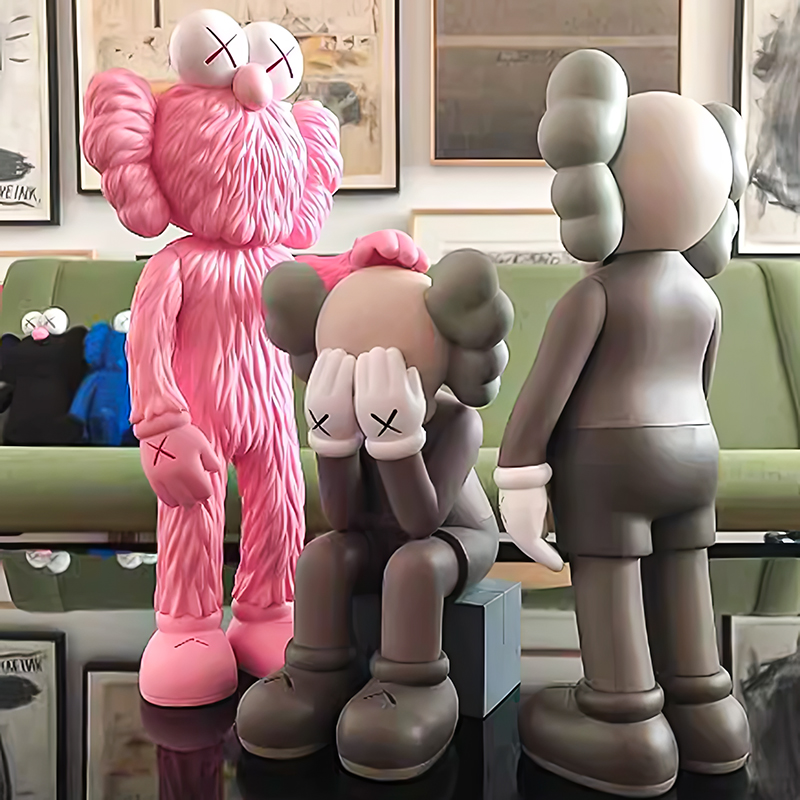
Kaws, the creator is an American street artist with representative works such as "The Long Way Home". In 2006, he founde...
See Details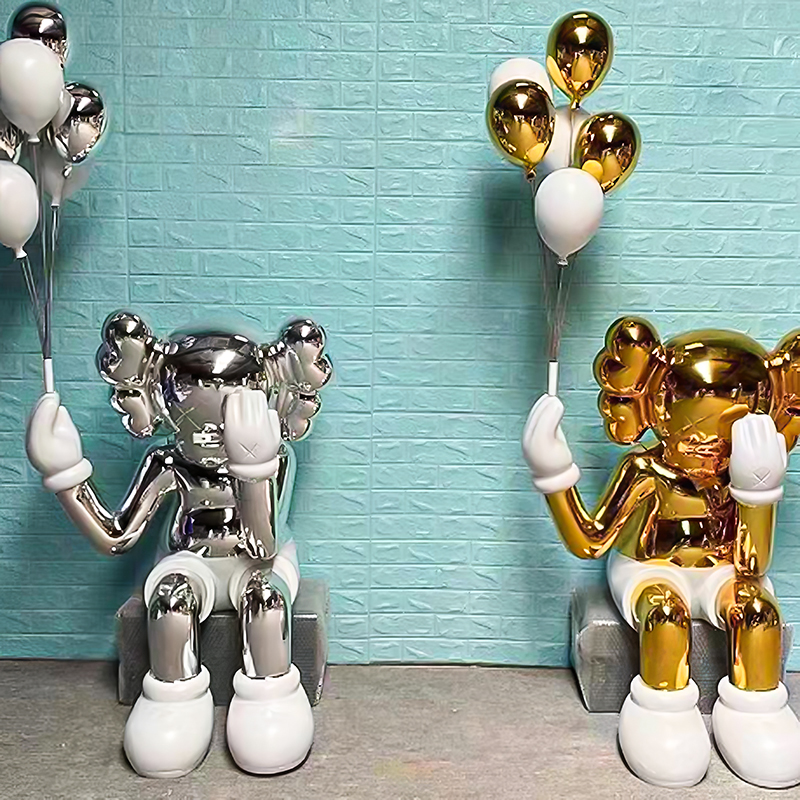
KAWS is a well-known trendy brand in the United States, more notably its dolls, which are very personalized and recogniz...
See Details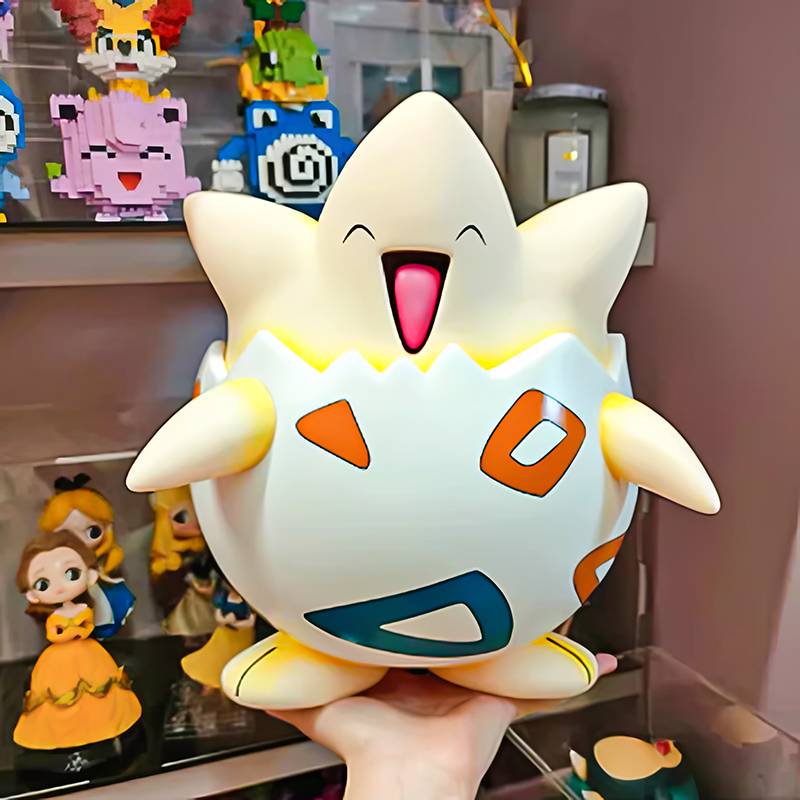
The Pok é Mon series is the selling electronic game series in the world, second only to Nintendo's Super Mario series, a...
See Details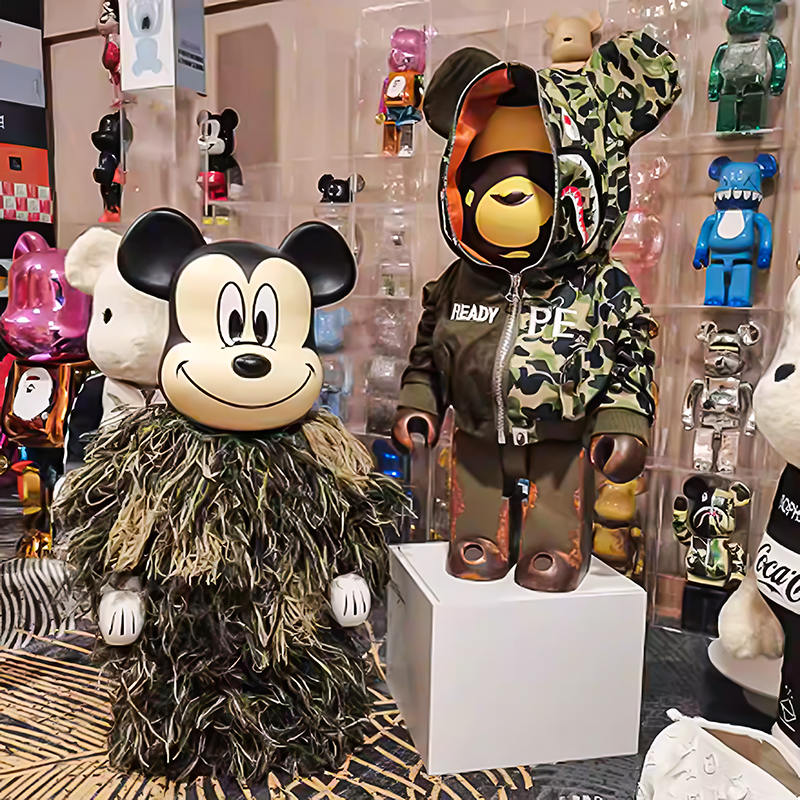
Bearbrick is a well-known building block bear toy produced by the Japanese company MEDICOM. It was officially launched i...
See Details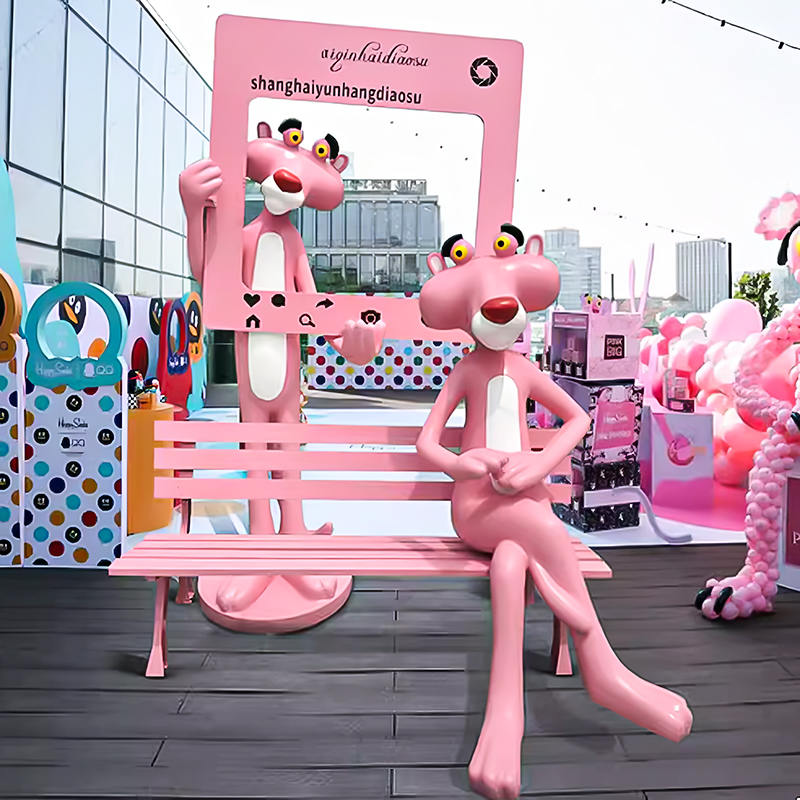
Outdoor Park Fiberglass Cartoon Playful Pink Panther Statue is made of high-quality weather-resistant fiberglass, which ...
See Details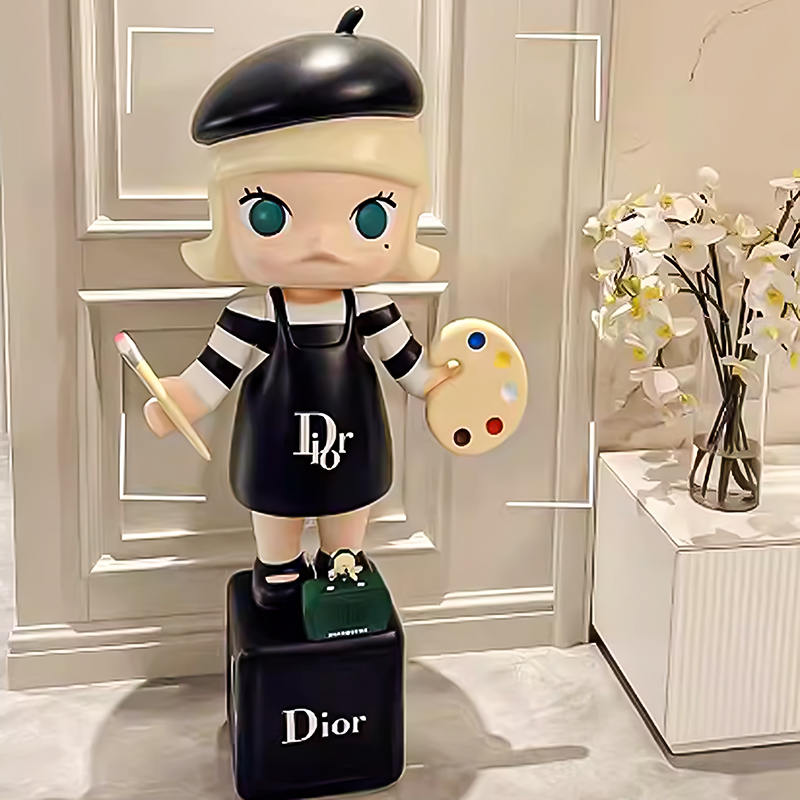
Home Decor Fiberglass Cartoon Pop Mart Sculptures can be placed in any living space, office or collection space. Lightwe...
See Details
Copyright © Jiangsu Chuanggeng Arts & Crafts Co., Ltd. All Rights Reserved.
FRP/Fiberglass/ Resin/Vinyl Art Sculptures Statues Manufacturers
