
 English
 Français
 عربى
عربىKaws, the creator is an American street artist with representative works such as "The Long Way Home". In 2006, he founde...
See Details

Article Directory
Walk through a newly opened shopping district, a themed park, or a corporate headquarters lobby, and you will notice the same quiet revolution: decorative sculpture is no longer dominated by heavy bronze monuments and carved stone. The most visible new commissions are lighter, more colorful, larger than life, and frequently inspired by cartoons, gaming characters, or street-art aesthetics. Behind this visual shift are four converging forces in the sculpture industry: performance-driven materials, digital design workflows, a rising demand for personalization, and the growing cultural weight of collectible pop-culture objects. This article looks at where those forces are taking decorative sculpture design — and what they mean for buyers planning a project.
The first conclusion for anyone commissioning a decorative sculpture is straightforward: the material determines the entire lifecycle of the piece, from production cost and weight to weather resistance and maintenance frequency. That is why composite materials — fiberglass-reinforced plastic (FRP) and cast resin — have become the default choice for most new decorative projects, replacing traditional materials in all but the most conservative commissions.
The reasons are practical. A life-size fiberglass or resin figure costs a fraction of its bronze equivalent, can be produced in weeks rather than months, and is light enough to be handled without heavy lifting equipment. Layered surface finishes can also make it closely imitate metal or stone, a technique often described as cold casting. The result is a sculpture that carries the visual authority of traditional materials with the logistics of a modern product.
FRP and resin are no longer treated as budget substitutes. In commercial and public projects, they are selected for their design freedom. Complex geometry that would be difficult or extremely expensive in stone or bronze — oversized food forms, candy-shaped seating, characters with thin protruding limbs — is routine in fiberglass. Wall thickness can be controlled precisely, which improves the structural balance of tall or top-heavy designs. A shopping mall renovating its food court, for example, can commission a set of fiberglass fruit art sculptures and move from design approval to installation in a matter of weeks.
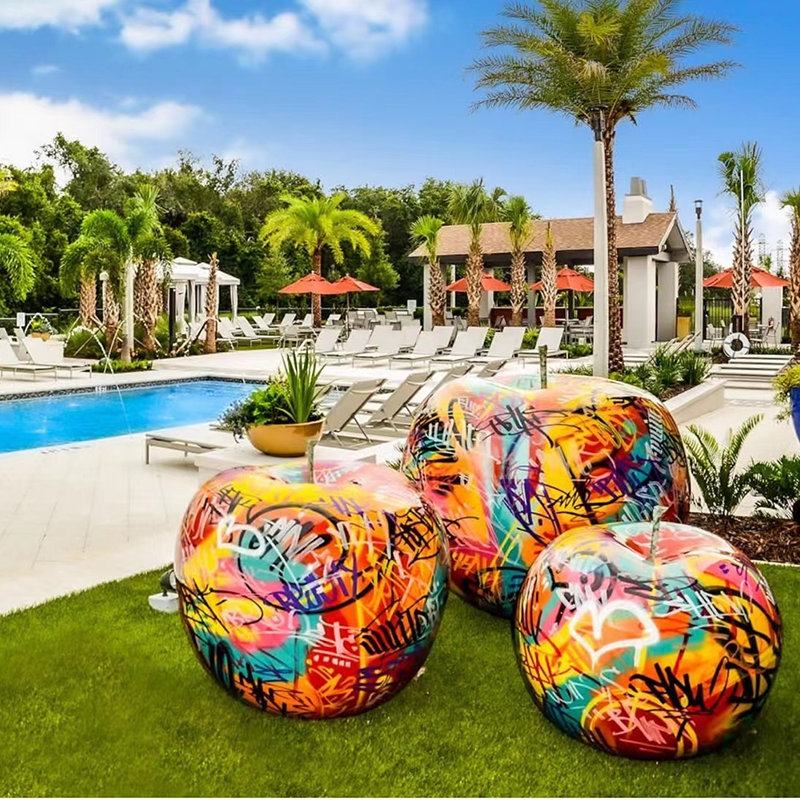 Wholesale Design Fiberglass Fruit Art Sculpture Manufacturers, OEM/ODM FactoryJiangsu Chuangheng Arts & Crafts Co., Ltd is China wholesale Design Fiberglass Fruit Art Sculpture Manufacturers and OEM/ODM Fiberglass F...View Product →
| Material | Relative Cost | Weight | Weather Resistance | Design Freedom |
|---|---|---|---|---|
| Fiberglass (FRP) | Low to medium | Light | High with gel coat | Very high |
| Cast resin | Low | Light | Medium to high | Very high |
| Cast bronze | High | Very heavy | Very high | Medium |
| Stainless steel | High | Heavy | Very high | Medium |
| Natural stone | High | Very heavy | Very high | Low |
The practical impact is clear: material choice drives the timeline and the budget as much as the artistic concept. Buyers who anchor their project to a realistic material strategy avoid the two most common failure points in sculpture procurement — cost overruns and delivery delays.
The second trend is less visible but just as significant: 3D modeling has become the starting point for decorative sculpture design. What was once a pencil sketch handed to a sculptor is now a digital model that can be rotated, scaled, and reviewed from every angle before any material is cut.
Digital workflows also improve consistency across editions. When a client orders multiple identical figures — a row of mascots for a theme park, for instance — the same digital file drives every mold, keeping proportions and facial features uniform. For character-based work, 3D modeling accuracy determines how faithfully the finished figure matches the original design, which is why experienced studios invest heavily in the digital phase.
The impact on commissioning is equally practical. A digital preview lets the client approve the design before production begins, reducing expensive revisions later. Changes that would once have meant starting over in clay are completed in hours at the modeling stage. This shortens the entire cycle — from first concept to installed sculpture — and makes custom work far more accessible to smaller budgets.
The third conclusion follows directly from the digital shift: customization has moved from a premium service to a baseline expectation. Clients no longer want to choose from a manufacturer's standard catalog; they want a piece that reflects their brand identity, site character, or personal story.
Across every market segment, the pattern is visible:
The common thread is that decoration is increasingly treated as brand communication rather than mere ornament. Operationally, this means the most reliable suppliers are those who integrate design, production, and installation under one roof. Buyers are tired of coordinating separately with a designer, a fabricator, and an installation crew. A practical guide to custom cartoon figure design, pricing, and installation explains what is feasible within a given budget and timeline — and why working with one accountable partner usually delivers better results.
The fourth trend is aesthetic rather than technical: pop-culture references are no longer limited to seasonal events or temporary exhibitions. Cartoon characters, anime heroes, superheroes, and street-art motifs are being specified for permanent installations in shopping malls, hotels, theme parks, and residential interiors. These pieces attract foot traffic, generate social-media content, and give a space an immediately recognizable personality.
For shopping malls and hotels, the logic is straightforward. A well-executed character statue creates a photo opportunity that visitors share online, effectively advertising the venue. That is why projects such as custom Pokémon center statues, featuring popular characters in life-size form, have become common anchors in retail environments. The same applies to superhero and anime figures, which give commercial spaces a youthful and culturally current identity.
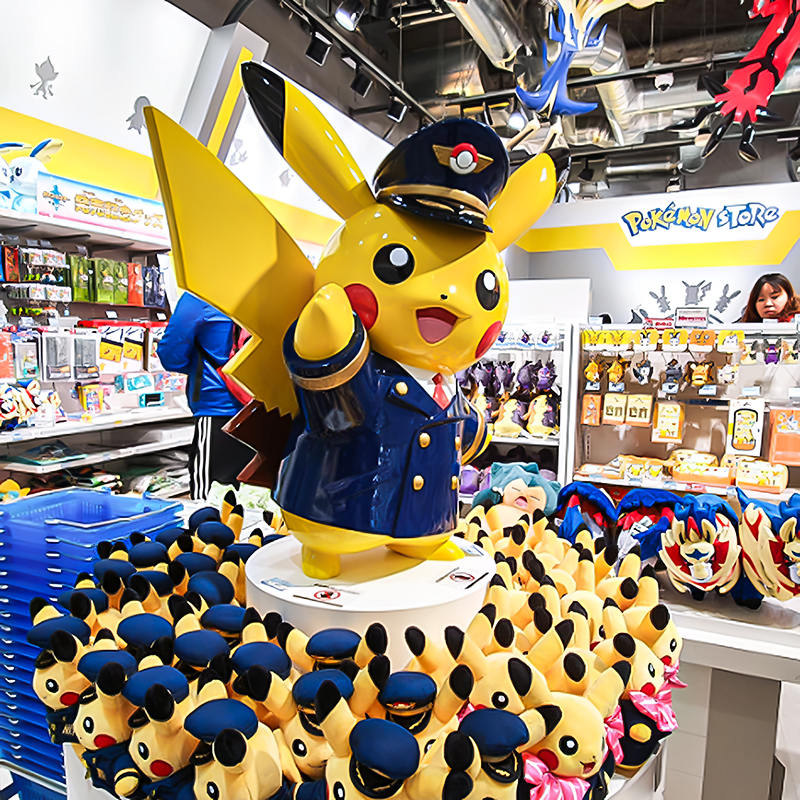 Wholesale Design Glass Fiber/FRP Statue Pokemon Pikachu Charizard Cartoon SculptJiangsu Chuanggeng Arts & Crafts Co., Ltd is China wholesale Design Glass Fiber/FRP Statue Pokemon Pikachu Charizard Cartoon Sculpture Ma...View Product →
At the residential end, the rise of designer toys and art toys has pulled sculpture into the living room. Collectors who once displayed small vinyl figures now want larger statements — life-size designer-style statues for home decoration, electroplated finishes, and museum-grade display pieces. These objects blur the line between toy, art, and furniture, and they are driving a fast-growing segment of the decorative sculpture market.
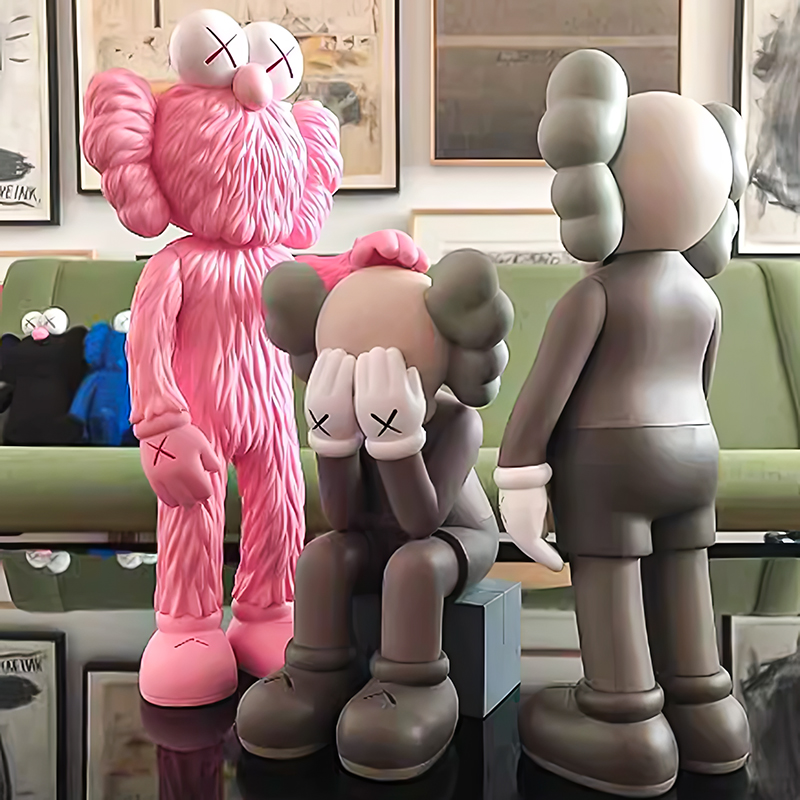 Wholesale Design 70cm-250cm 4ft/5ft Life Size Kaws Statue Art Model For Home DecJiangsu Chuanggeng Arts & Crafts Co., Ltd is China wholesale Design 70cm-250cm 4ft/5ft Life Size Kaws Statue Art Model For Home Decor Man...View Product →
The consequence for design professionals is that sculpture specifications must now account for cultural relevance as well as material performance. A piece that captures a popular character in a durable, safe, and well-finished form is an asset to both a public space and a private collection.
The final trend concerns the long term. Buyers are beginning to recognize that a decorative sculpture's appearance after five or ten years outdoors is decided before fabrication begins, not after installation.
Outdoor sculptures face constant UV exposure, rain, temperature swings, and, in some cases, physical contact from visitors. Protection starts with the gel coat and surface sealants applied in the factory, continues with the internal frame engineered to handle wind loads and thermal expansion, and ends with a realistic maintenance plan. A comprehensive maintenance guide for fiberglass sculptures exposed to sun and rain is a useful reference for anyone managing a public or commercial installation.
The commercial impact is measurable. A sculpture with a proper UV-stable coating can hold its color for years, while a poorly protected piece may fade, crack, or develop surface defects within the first season. Buyers should therefore evaluate not only the initial quote but the supplier's coating system, structural engineering, and aftercare recommendations.
None of these trends works in isolation. A successful decorative sculpture project in the coming years will combine a realistic material strategy, a digital design approval process, a clear customization brief, and a maintenance plan agreed before production starts.
The suppliers best positioned to deliver on all four are those who control the entire chain — design, fabrication, and on-site installation — because that integration removes the coordination gaps that typically cause delays and quality issues. For buyers, the practical takeaway is straightforward: start with the material and the maintenance reality, define the design digitally, and choose a partner who treats your sculpture as a long-term investment rather than a one-off ornament.

Kaws, the creator is an American street artist with representative works such as "The Long Way Home". In 2006, he founde...
See Details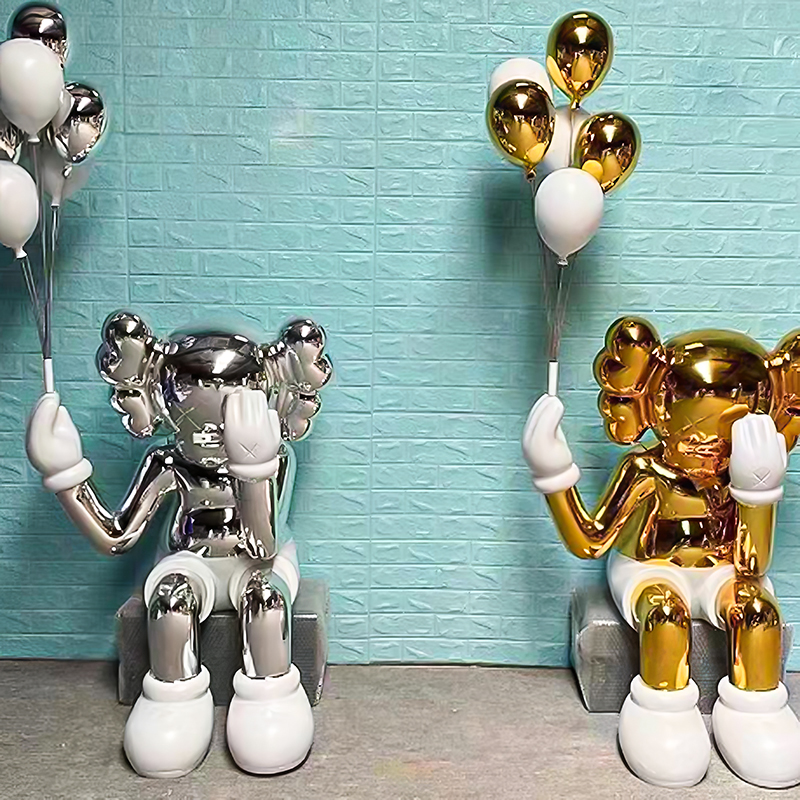
KAWS is a well-known trendy brand in the United States, more notably its dolls, which are very personalized and recogniz...
See Details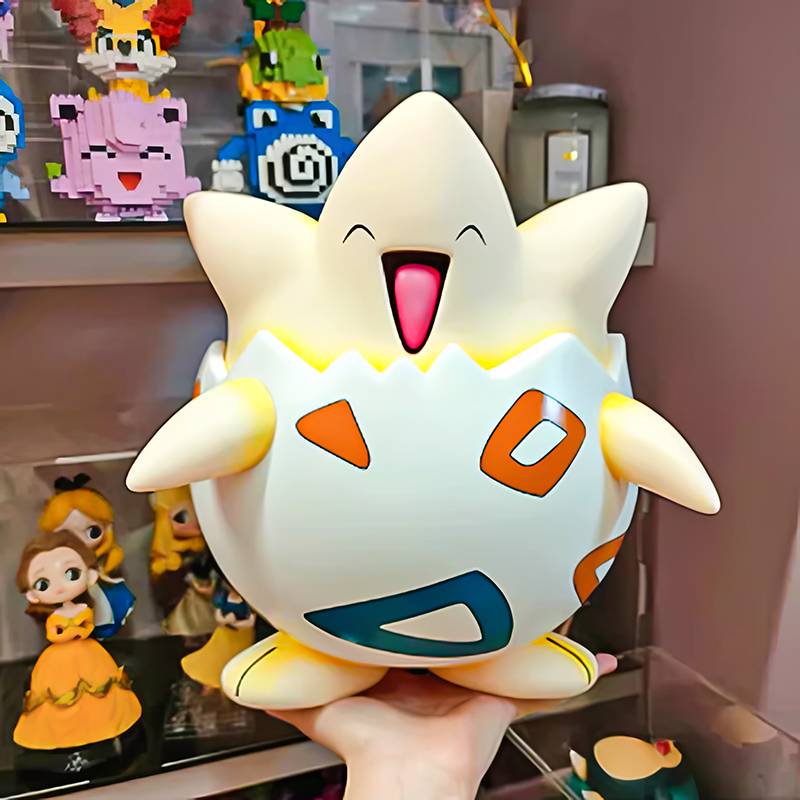
The Pok é Mon series is the selling electronic game series in the world, second only to Nintendo's Super Mario series, a...
See Details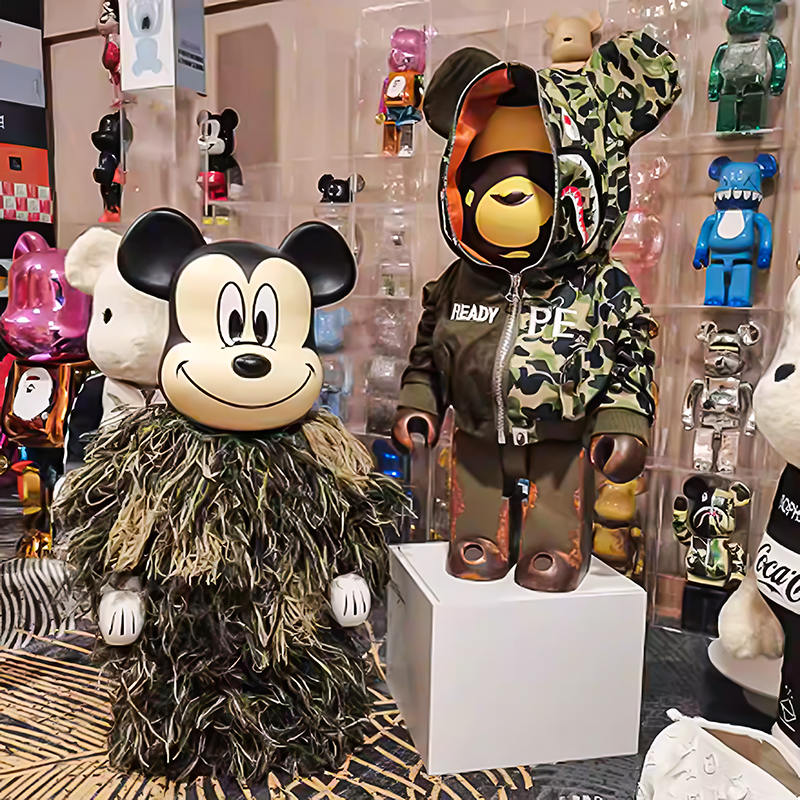
Bearbrick is a well-known building block bear toy produced by the Japanese company MEDICOM. It was officially launched i...
See Details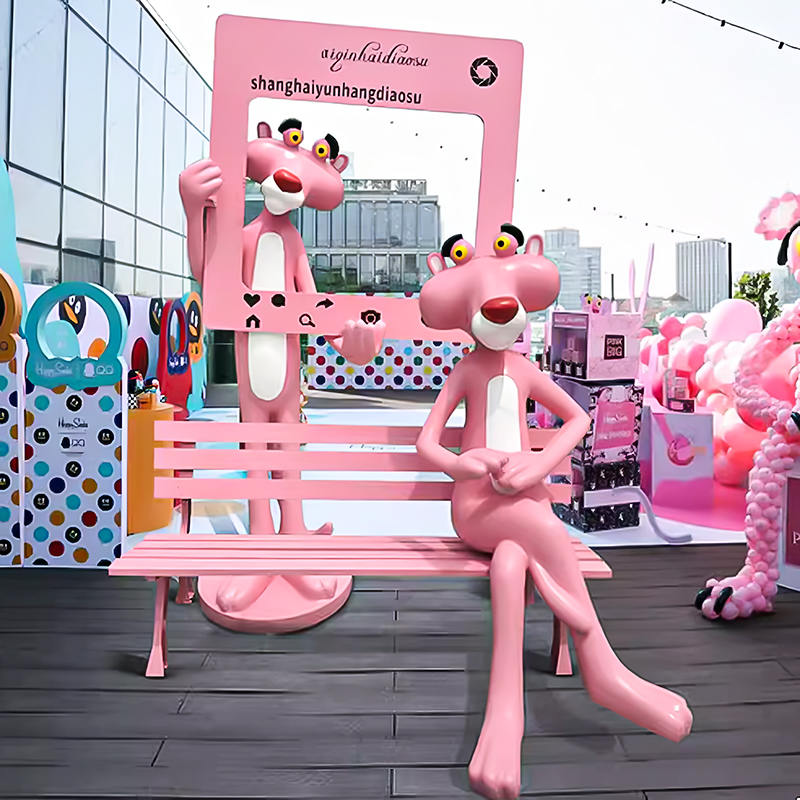
Outdoor Park Fiberglass Cartoon Playful Pink Panther Statue is made of high-quality weather-resistant fiberglass, which ...
See Details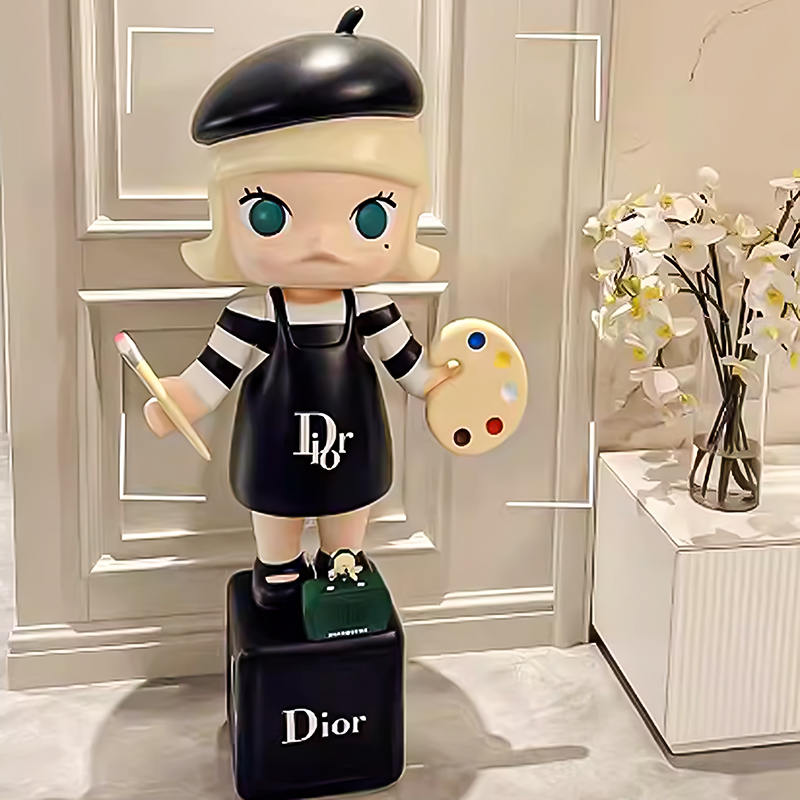
Home Decor Fiberglass Cartoon Pop Mart Sculptures can be placed in any living space, office or collection space. Lightwe...
See Details
Copyright © Jiangsu Chuanggeng Arts & Crafts Co., Ltd. All Rights Reserved.
FRP/Fiberglass/ Resin/Vinyl Art Sculptures Statues Manufacturers
