
 English
 Français
 عربى
عربىKaws, the creator is an American street artist with representative works such as "The Long Way Home". In 2006, he founde...
See Details

Article Directory
Commercial spaces demand distinctive visual elements that attract foot traffic, reinforce brand identity, and create lasting memories. Custom cartoon character sculptures deliver this impact through engineered design, precision manufacturing, and professional installation. From shopping malls and theme parks to corporate headquarters and retail flagships, these sculptures combine artistic expression with structural engineering. This guide explores the complete production lifecycle—from conceptual design through final installation—that transforms creative vision into three-dimensional commercial assets.
Standard, mass-produced decorations blend into backgrounds. Custom cartoon character sculptures command attention—drawing visitors into spaces, generating social media content, reinforcing brand messages, and creating emotional connections. A strategically positioned sculpture can increase foot traffic by 15–25% in retail environments and extend visitor dwell time by 30%+ in theme parks. Commercial value justifies the investment in custom manufacturing.
Fiberglass sculptures represent the production sweet spot—balancing material cost, durability, weight, and aesthetic capability. Manufacturing follows precision protocols: mold preparation, resin saturation, fiber reinforcement, curing cycles, structural validation, surface grinding, and multi-stage finishing. Each step determines final strength, appearance, and longevity.
Step 1: Gel coat application (protective outer layer)
Step 2: Fiberglass mat saturation (first reinforcement layer)
Step 3: Resin/cloth layering (3–5 alternating layers)
Step 4: Cure cycle (24–48 hours at controlled temperature)
Step 5: Mold release and demolding
Internal reinforcement: Steel armature provides dimensional stability and load-bearing capacity for large sculptures (8+ feet tall)
Weight distribution: Framework prevents sagging, flexing, or settling over time
Attachment points: Integrated mounting hardware for installation and anchoring
Dimensional inspection: CMM verification against 3D model (±2mm tolerance)
Structural testing: Load testing to verify weight capacity and rigidity
Surface inspection: Visual check for voids, delamination, surface defects
Documentation: Certificate of conformance, material certifications, photographs
Professional installation requires structural engineering, site assessment, foundation preparation, and safety protocols. Large sculptures (12+ feet) demand concrete foundations, anchoring systems, wind-load analysis, and certified installation teams. Improper installation risks collapse, injury, and liability.
Design & approvals: 2–3 weeks. 3D modeling & engineering: 3–4 weeks. Prototype & mold making: 6–9 weeks. Production: 6–8 weeks. Finishing & QC: 3–4 weeks. Total: 20–28 weeks (5–7 months). Expedited schedules possible with premium pricing; quality standards remain unchanged.
Modifications to existing characters (licensed properties) require intellectual property clearance from rights holders. Original character development starts from your brief. Modifications to previously designed custom characters: 2–4 weeks for engineering changes; 1–2 weeks if mold exists.
Minimum practical size: 3–4 feet (cost-effective for detail work). Optimal commercial size: 6–10 feet (high visibility, production efficiency). Maximum: 20+ feet possible (requires engineering support structures, foundation analysis, specialized installation equipment, cost premium 3–5x standard).
Fiberglass with UV-protective topcoat: 10–15 years with annual maintenance. Stainless steel: 25+ years with minimal maintenance. Resin: 8–12 years outdoors. Factors: climate (UV exposure, temperature cycling, salt air), installation quality, maintenance practices. Regular inspections and touch-up painting extend service life.
Standard: 1-year structural warranty covering defects in materials/workmanship. Installation warranty: 90 days post-installation. Extended warranties available (3–5 years) with maintenance plans. Maintenance packages include annual inspections, touch-up painting, structural verification. Costs: $500–$2000/year depending on size and exposure.
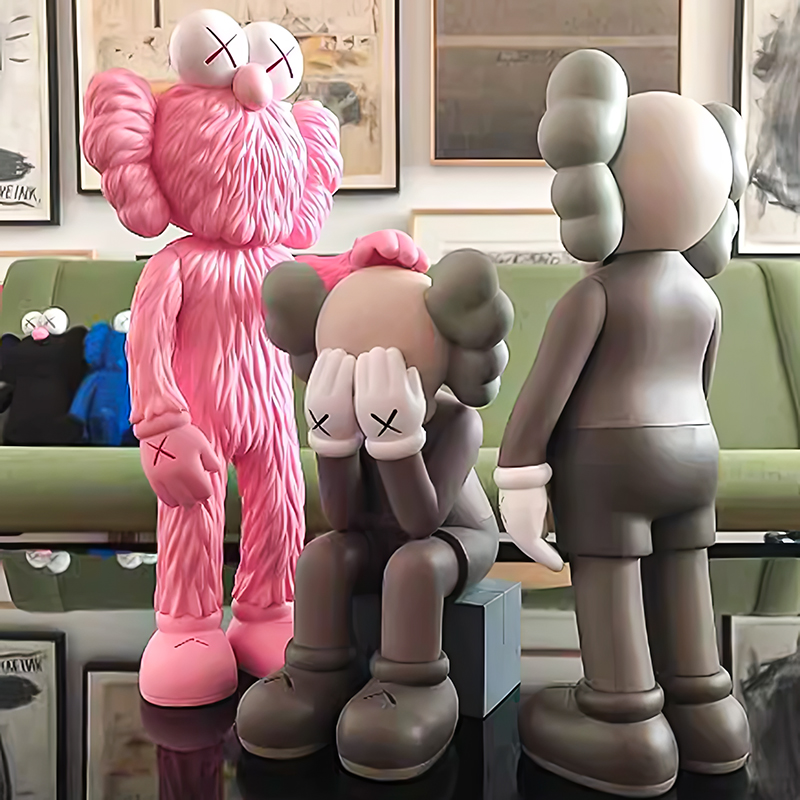
Kaws, the creator is an American street artist with representative works such as "The Long Way Home". In 2006, he founde...
See Details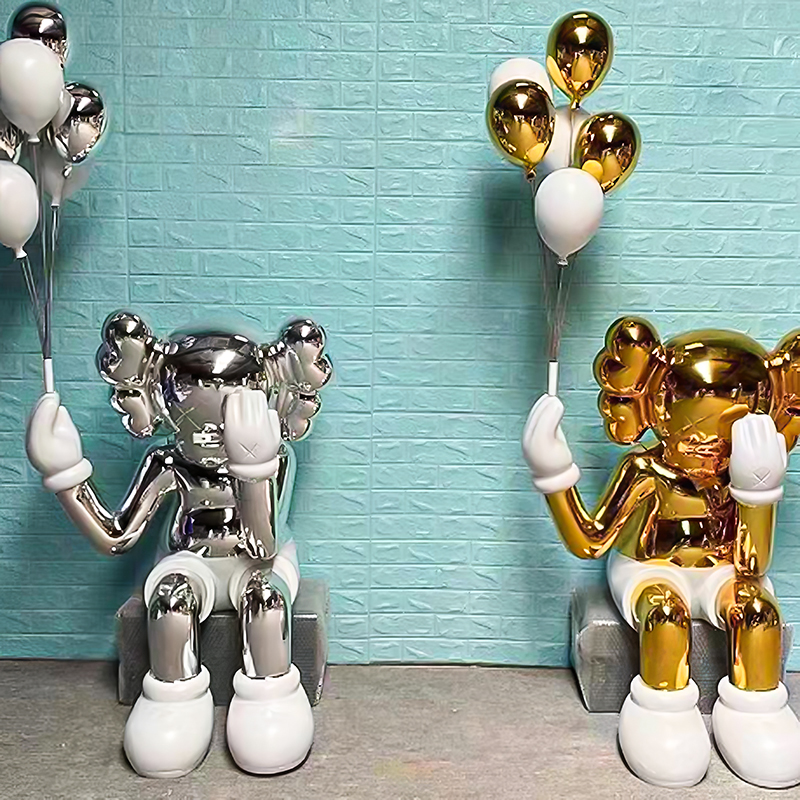
KAWS is a well-known trendy brand in the United States, more notably its dolls, which are very personalized and recogniz...
See Details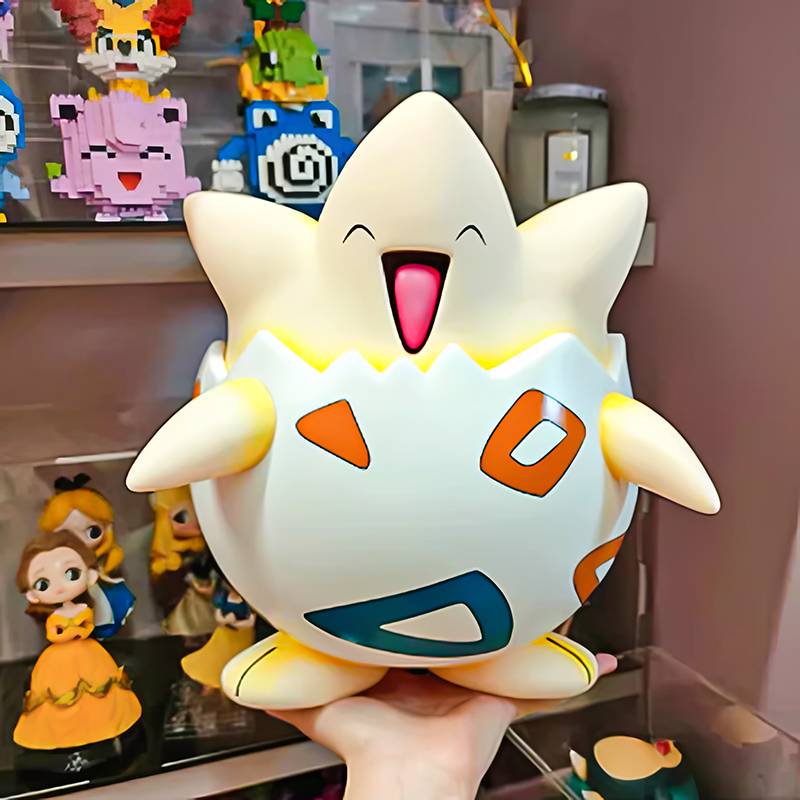
The Pok é Mon series is the selling electronic game series in the world, second only to Nintendo's Super Mario series, a...
See Details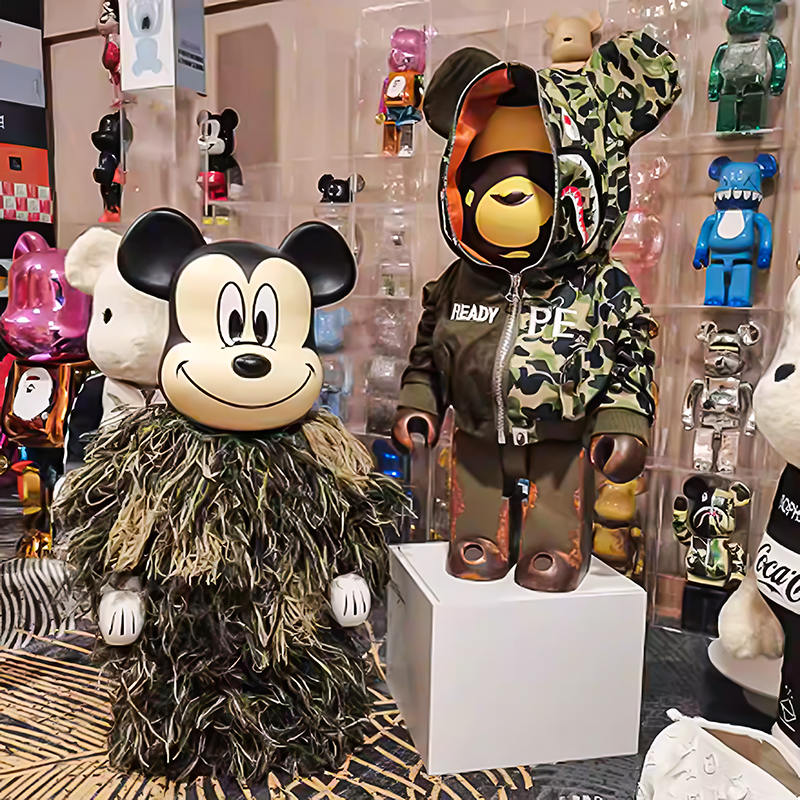
Bearbrick is a well-known building block bear toy produced by the Japanese company MEDICOM. It was officially launched i...
See Details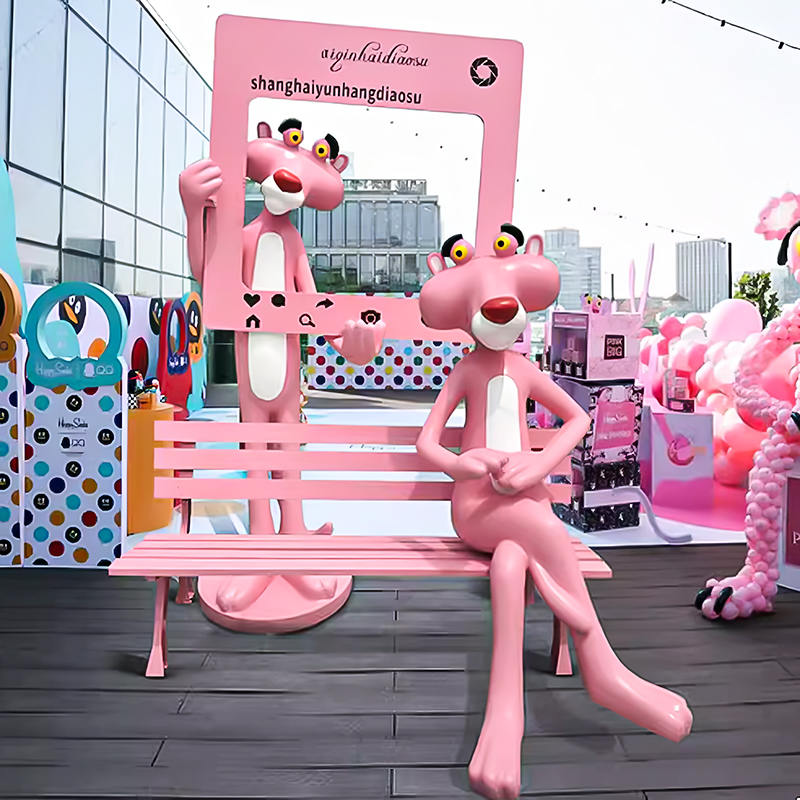
Outdoor Park Fiberglass Cartoon Playful Pink Panther Statue is made of high-quality weather-resistant fiberglass, which ...
See Details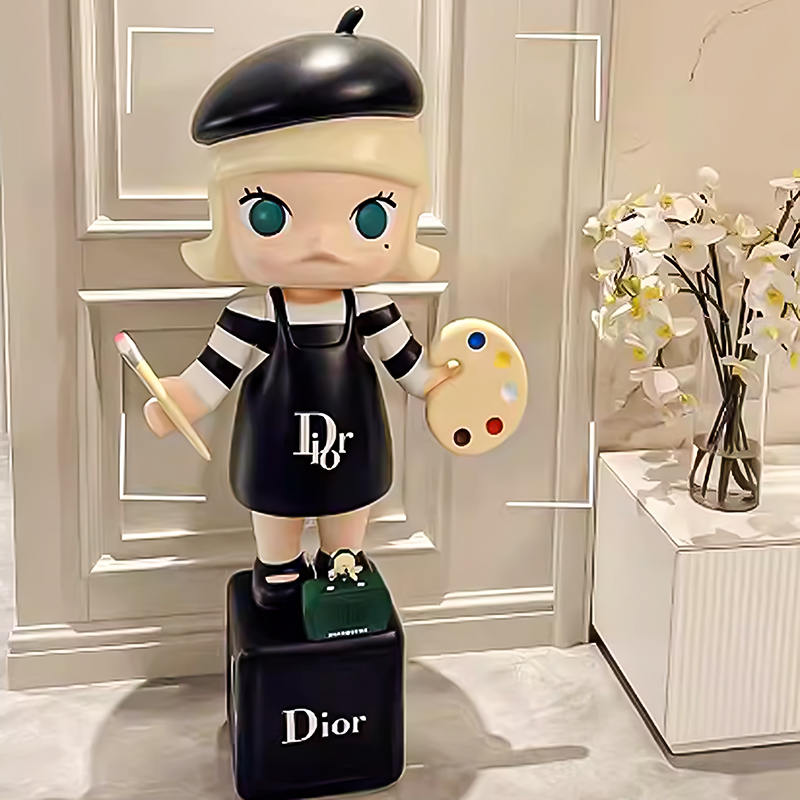
Home Decor Fiberglass Cartoon Pop Mart Sculptures can be placed in any living space, office or collection space. Lightwe...
See Details
Copyright © Jiangsu Chuanggeng Arts & Crafts Co., Ltd. All Rights Reserved.
FRP/Fiberglass/ Resin/Vinyl Art Sculptures Statues Manufacturers
