
 English
 Français
 عربى
عربىKaws, the creator is an American street artist with representative works such as "The Long Way Home". In 2006, he founde...
See Details

Article Directory
For commercial theme parks and municipal landscape projects, the procurement of a real life cartoon sculpture involves complex engineering considerations that extend far beyond mere aesthetics. The pricing of these large-scale artistic assets is determined by material durability, structural reinforcement, and surface finish technology. Understanding these technical variables allows project managers to balance initial capital expenditure with long-term maintenance costs in high-traffic public environments.
The primary determinant of the cost of real life cartoon sculptures is the choice of substrate material. While foam is ideal for short-term festival decoration due to its low product cost and short production cycle, permanent theme park installations typically require glass fiber reinforced plastic (GFRP) cartoon sculptures or resin-based composites. Jiangsu Chuanggeng Crafts Co., Ltd., located in the ancient city of Taizhou, specializes in a diverse range of materials including cast copper, stainless steel, and polyurea (SPUA) to meet specific durability requirements.
When evaluating fiberglass vs polyurea for outdoor sculptures, engineers must consider the impact resistance and UV stability. SPUA coatings provide an exceptionally hard, "armored" finish that is virtually waterproof and resistant to mechanical abrasion, though at a higher price point than standard unsaturated polyester resins. The following data highlights the physical properties influencing material-based pricing:
| Material Type | Tensile Strength (MPa) | Typical Service Life (Years) |
| Expanded Polystyrene (EPS) | 0.2 - 0.4 | Less than 1 (Temporary) |
| FRP / Fiberglass | 100 - 150 | 8 - 12 (Outdoor) |
| Polyurea (SPUA) Coated | 15 - 25 (Elongation 300%) | 15+ (High Traffic) |
For a large scale real life cartoon sculpture, the internal support system is a non-negotiable cost factor. Standard safety protocols require an internal hot-dip galvanized steel skeleton to withstand wind loads (typically calculated at 0.5 kN/m2 or higher) and prevent structural collapse. Jiangsu Chuanggeng Crafts Co., Ltd. utilizes a team of senior sculptors and experienced construction professionals to design these "armatures," ensuring that the internal steel frame for landscape sculptures complies with municipal safety standards for public spaces.
The pricing for high-end cartoon character models is also heavily influenced by the complexity of the surface finish. Achieving a real life cartoon sculpture with metallic effect or a "wood-grain" finish requires multi-stage automotive-grade painting processes. This includes a primary sanding phase to achieve a low Ra surface finish, followed by epoxy primers, pigmented basecoats, and UV-resistant clear coats. These coatings must be "safe, reliable, and economically durable," a development tenet that Jiangsu Chuanggeng Crafts Co., Ltd. strictly follows to improve market competitiveness.
Accurate estimation requires a breakdown of the labor costs for hand-carved sculpture models versus 5-axis CNC milling. While CNC provides precision 3D sculpture modeling, senior sculptors from well-known art schools are often required for the final "artistic soul" and intricate detail work. Factors such as the number of color transitions, the use of translucent resins for "skin" effects, and the integration of LED lighting systems will all contribute to the final custom cartoon sculpture quote.
The final stage of pricing involves the logistics of large-scale sculpture transport and assembly. Large characters are often cast in sections to facilitate shipping and are reassembled on-site using seamless jointing techniques. This requires an experienced construction team to manage cranes and high-altitude welding or bonding. Jiangsu Chuanggeng Crafts Co., Ltd. provides integrated design, production, and installation services, allowing customers to "buy the products they need in one place" with high-standard and high-specification results.
| Project Stage | Cost Variable | Engineering Objective |
| Design / Maquette | 3D Scanning / Senior Sculptor | Anatomic Accuracy |
| Molding | Silicone vs. Gypsum Mold | Surface Fidelity |
| Installation | Crane Rental / Site Welding | Structural Stability |
For long-term outdoor exposure, Polyurea (SPUA) coated fiberglass or cast bronze are the most durable options, offering superior resistance to UV radiation, moisture, and public interaction.
Depending on complexity, the production cycle typically ranges from 20 to 45 days, including the design, mold-making, casting, and finishing stages.
Yes, for any permanent outdoor sculpture exceeding 2 meters, a reinforced concrete foundation with embedded anchor bolts is required to secure the internal steel skeleton against wind forces.
Yes, advanced painting techniques can create highly realistic artistic effects of imitating metal, wood, rock, and other textures as required by the landscape design.
No, we utilize environmentally friendly automotive-grade paints and resins that, once cured, are safe for public contact and do not release harmful VOCs.
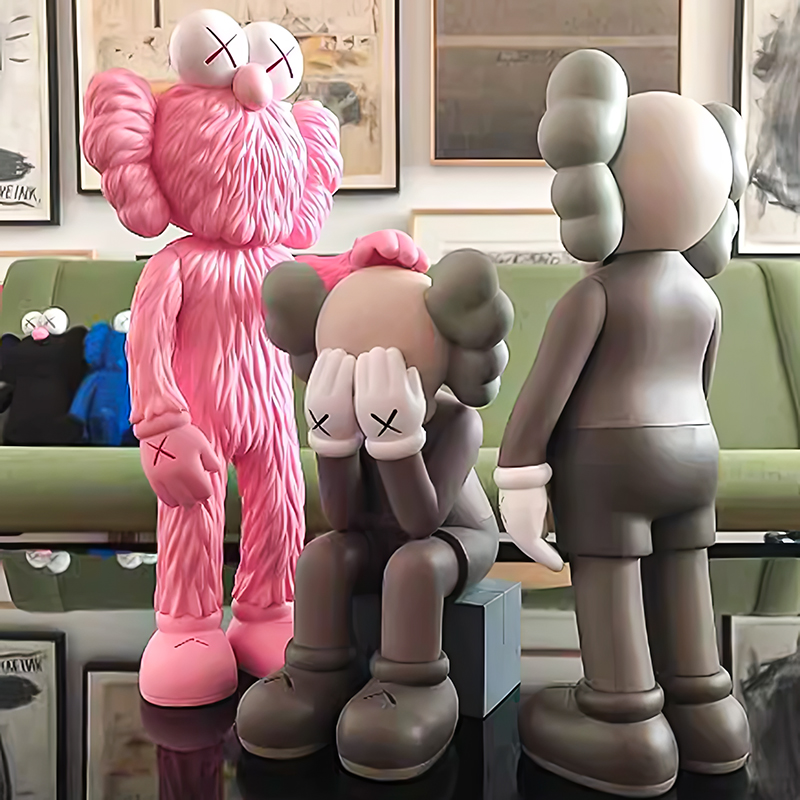
Kaws, the creator is an American street artist with representative works such as "The Long Way Home". In 2006, he founde...
See Details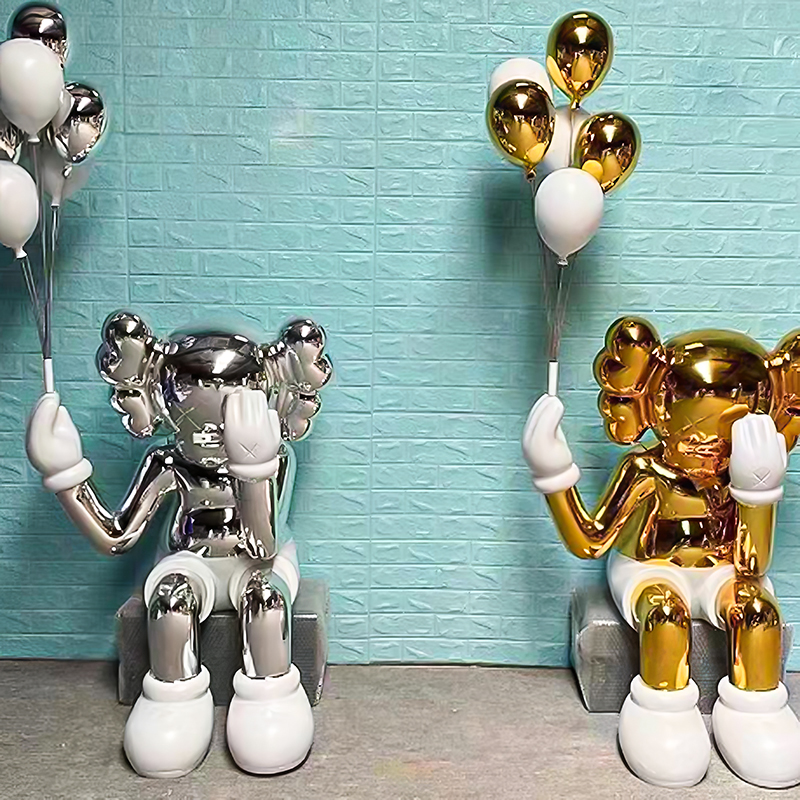
KAWS is a well-known trendy brand in the United States, more notably its dolls, which are very personalized and recogniz...
See Details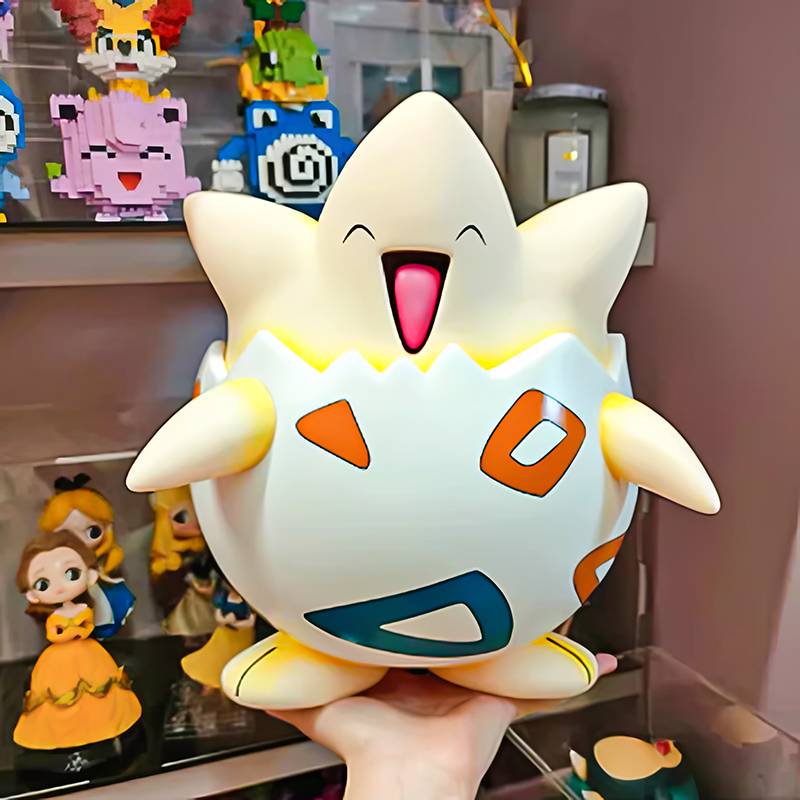
The Pok é Mon series is the selling electronic game series in the world, second only to Nintendo's Super Mario series, a...
See Details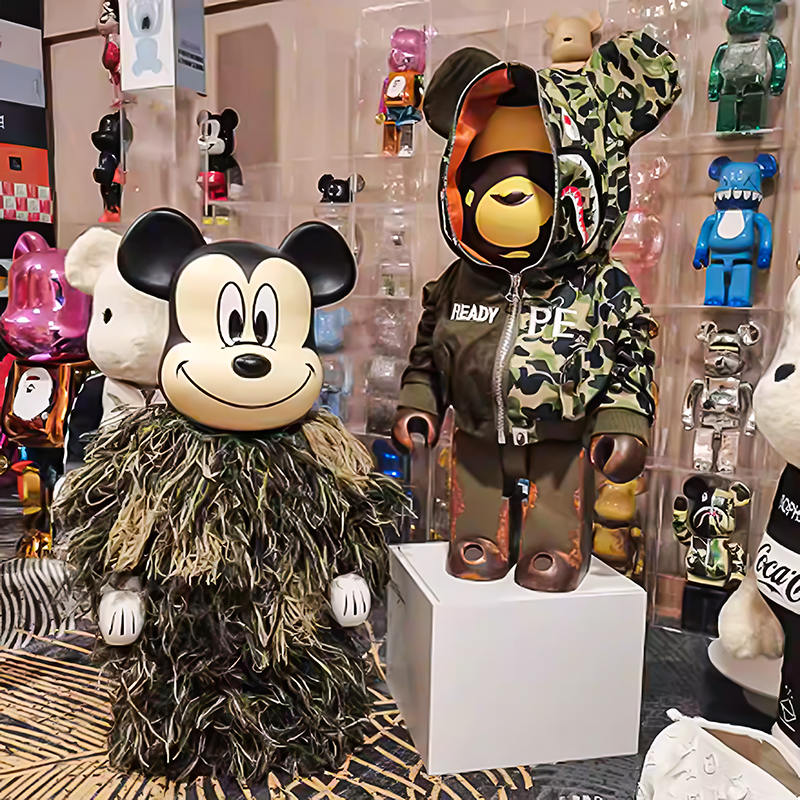
Bearbrick is a well-known building block bear toy produced by the Japanese company MEDICOM. It was officially launched i...
See Details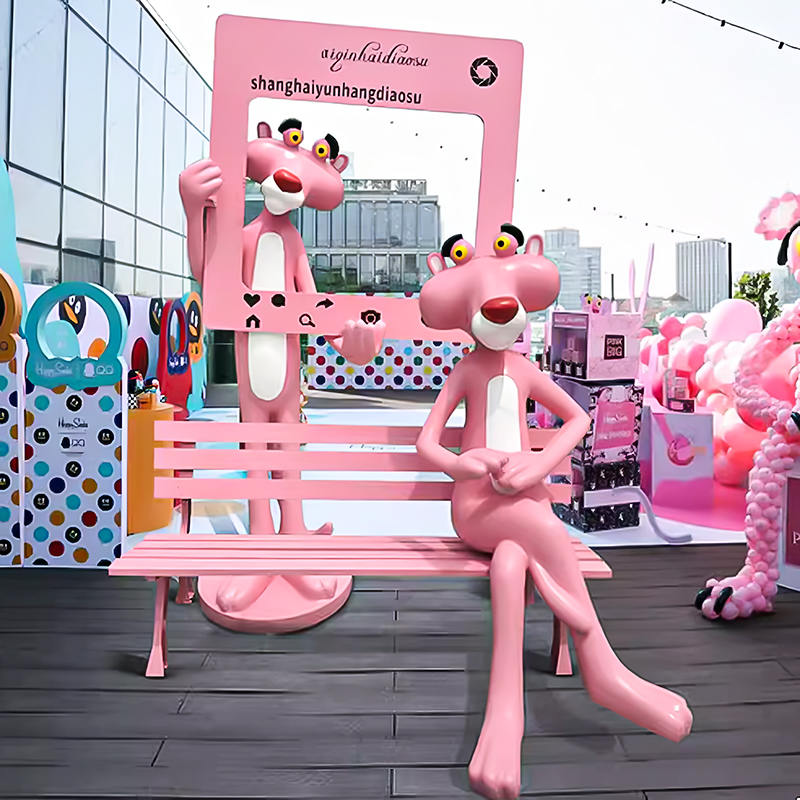
Outdoor Park Fiberglass Cartoon Playful Pink Panther Statue is made of high-quality weather-resistant fiberglass, which ...
See Details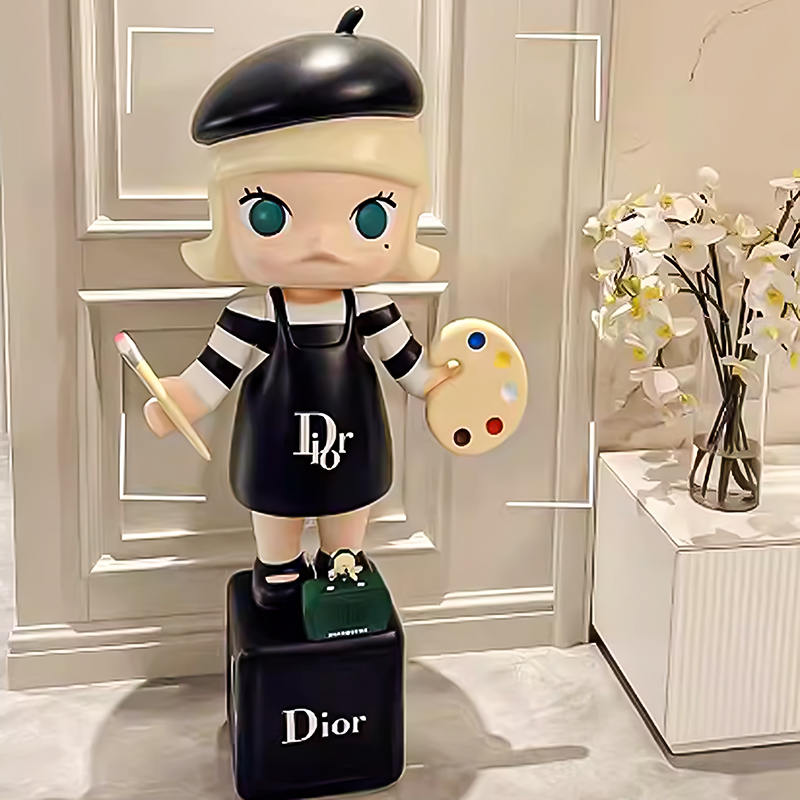
Home Decor Fiberglass Cartoon Pop Mart Sculptures can be placed in any living space, office or collection space. Lightwe...
See Details
Copyright © Jiangsu Chuanggeng Arts & Crafts Co., Ltd. All Rights Reserved.
FRP/Fiberglass/ Resin/Vinyl Art Sculptures Statues Manufacturers
