
 English
 Français
 عربى
عربىKaws, the creator is an American street artist with representative works such as "The Long Way Home". In 2006, he founde...
See Details

Article Directory
In the world of landscape architecture, large garden art sculptures serve as the soul of a space, bridging the gap between ancient culture and modern civilization. However, for a masterpiece to survive the rigors of 2026's increasingly volatile climate, material selection is the most critical engineering decision. Jiangsu Chuanggeng Crafts Co., Ltd., an enterprise integrating design, production, and installation, specializes in navigating these material complexities. From the banks of the Yangtze River to municipal squares worldwide, understanding how to choose durable outdoor garden sculptures is essential for ensuring your investment remains an "economically durable" high-standard landmark.
Metals are often the first choice for weatherproof outdoor sculpture materials due to their high tensile strength. Stainless steel garden sculpture durability is nearly unrivaled in coastal or high-precipitation areas because the chromium content creates a self-healing oxide layer. While forged copper and cast copper provide a timeless "imitating metal" aesthetic, they develop a patina over time, which some designers value for its character. In contrast, stainless steel vs bronze garden sculpture longevity shows that stainless steel maintains its reflective sheen longer without specialized chemical maintenance.
| Material Type | Weather Resistance Rating | Maintenance Requirement |
| 316 Stainless Steel | Extreme (Anti-corrosive) | Low (Occasional cleaning) |
| Forged Copper | High (Develops Patina) | Moderate (Waxing/Polishing) |
| Cast Iron | Moderate (Prone to rust) | High (Repainting/Sealing) |
For complex geometries and customized large garden art for sale, fiberglass-reinforced plastic (FRP) and resin are revolutionary. However, the lifespan of resin vs fiberglass sculptures outdoors is a common point of discussion among curators. Fiberglass is structurally reinforced, making it less brittle than pure resin. To further enhance these materials, Jiangsu Chuanggeng Crafts utilizes polyurea (SPUA) coatings, which provide a "lightweight gypsum" feel with the ruggedness of stone. This is the best material for sculptures in high wind areas because it combines low mass with high impact resistance.
| Composite Technology | Structural Benefit | Surface Finish Quality |
| Fiberglass (FRP) | High strength-to-weight ratio | Smooth/Automotive Grade |
| Polyurea (SPUA) | Excellent waterproof/elasticity | Rough/Natural stone effect |
| Sandstone/Resin | Medium density | Authentic earth-tone texture |
When searching for the best stone for large outdoor garden sculptures, granite and sandstone remain the primary contenders. While stone is virtually immune to UV damage, it is susceptible to "freeze-thaw" cycles where moisture enters pores and expands. Jiangsu Chuanggeng's large garden art sculptures made of high-spec sandstone are treated with hydrophobic sealants to prevent biological growth and cracking, ensuring they remain safe and reliable garden art for municipal and school projects.
A sculpture's longevity is not just about its surface; it is about its anchorage. Installing large sculptures in windy gardens requires a deep understanding of wind load calculations. Our experienced construction team at Jiangsu Chuanggeng Crafts Co., Ltd. ensures that every customized sculpture is mounted on reinforced concrete foundations with internal steel armatures. This prevents structural fatigue, especially in large garden art sculptures with high sail areas.
316-grade stainless steel garden sculpture durability makes it the superior choice for coastal areas due to its resistance to saltwater corrosion.
This depends on the material. Stainless steel may only need a wash once a year, while copper or stone might require a new protective coating every 2 to 3 years to maintain a specific look.
Yes, provided they are high-quality weatherproof outdoor sculpture materials. Our fiberglass uses specialized resins that do not become brittle in extreme cold.
Absolutely. We specialize in products with the artistic effect of imitating metal, allowing for the majestic look of bronze with a shorter production cycle and lower cost.
Polyurea acts as a waterproof, flexible skin that protects the underlying material from impact and moisture, significantly extending the sculpture's life in extreme weather.

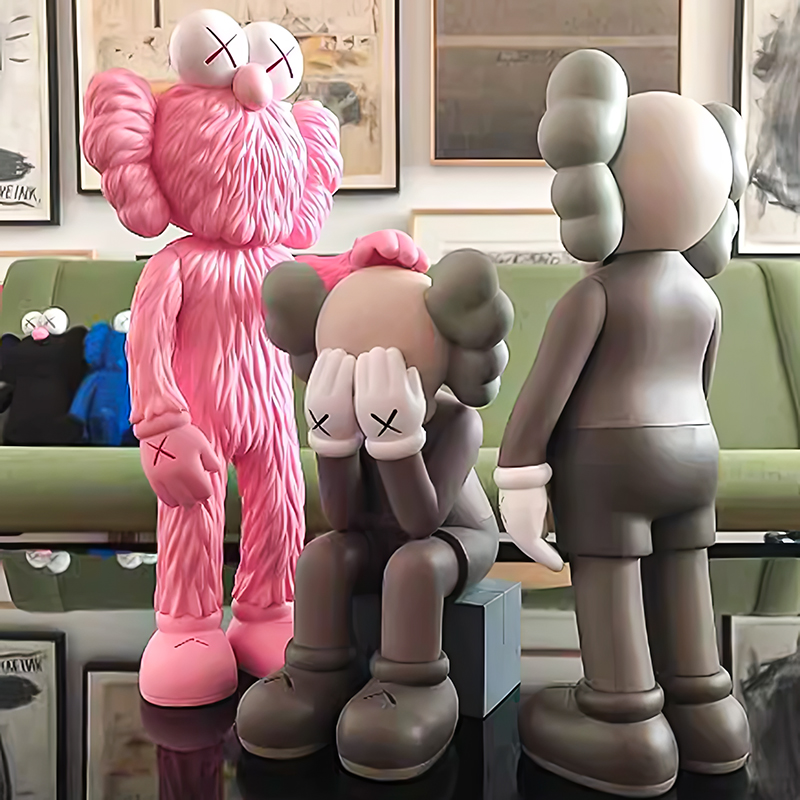
Kaws, the creator is an American street artist with representative works such as "The Long Way Home". In 2006, he founde...
See Details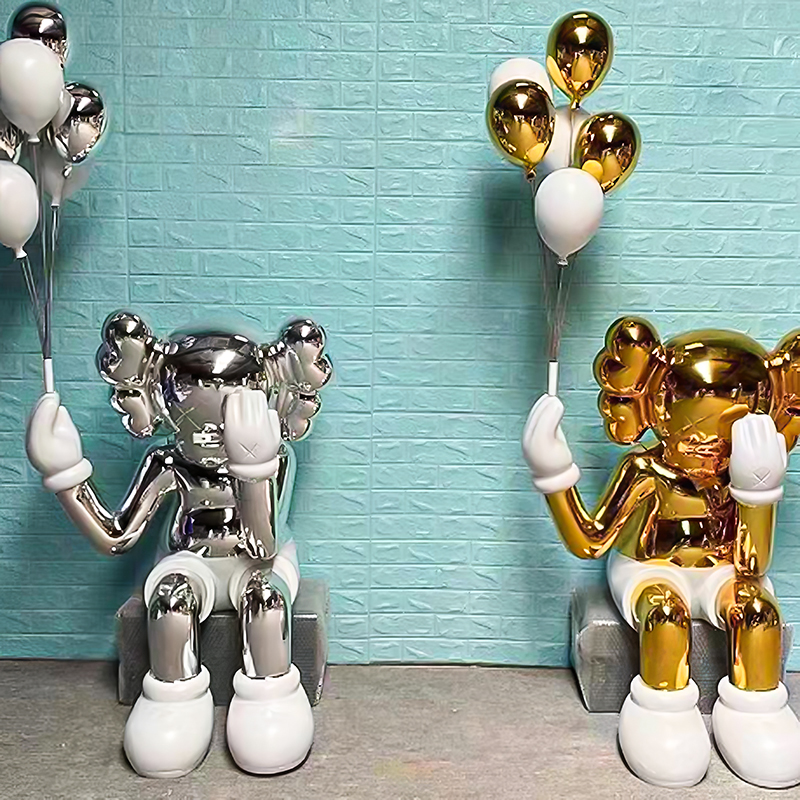
KAWS is a well-known trendy brand in the United States, more notably its dolls, which are very personalized and recogniz...
See Details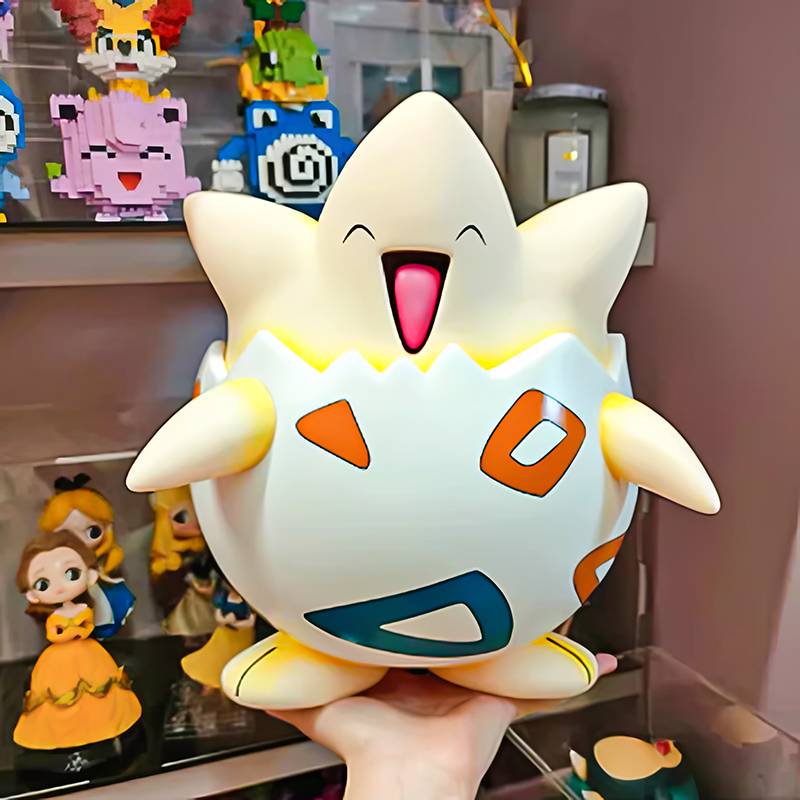
The Pok é Mon series is the selling electronic game series in the world, second only to Nintendo's Super Mario series, a...
See Details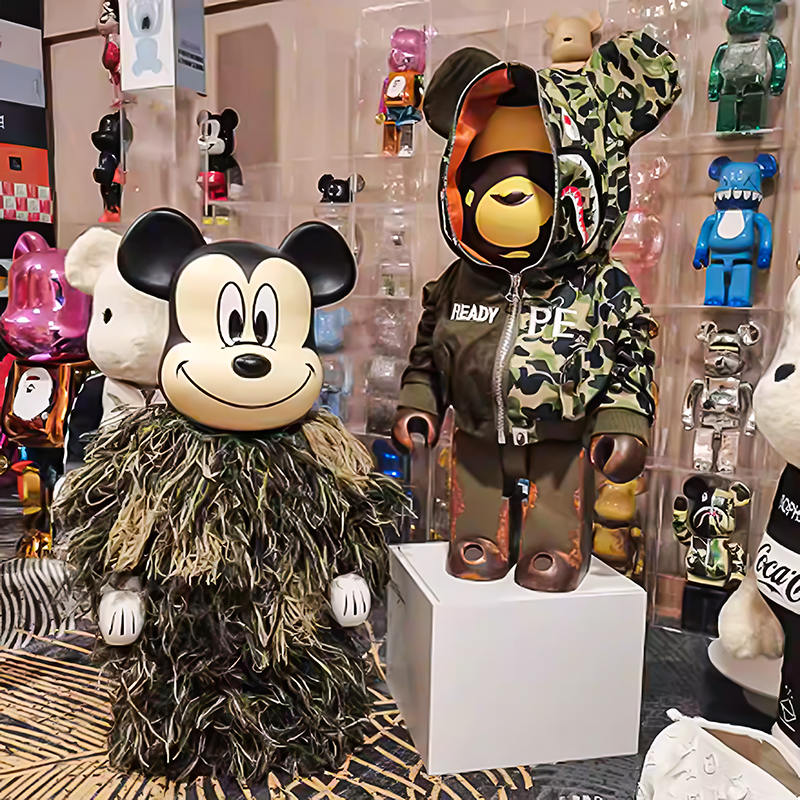
Bearbrick is a well-known building block bear toy produced by the Japanese company MEDICOM. It was officially launched i...
See Details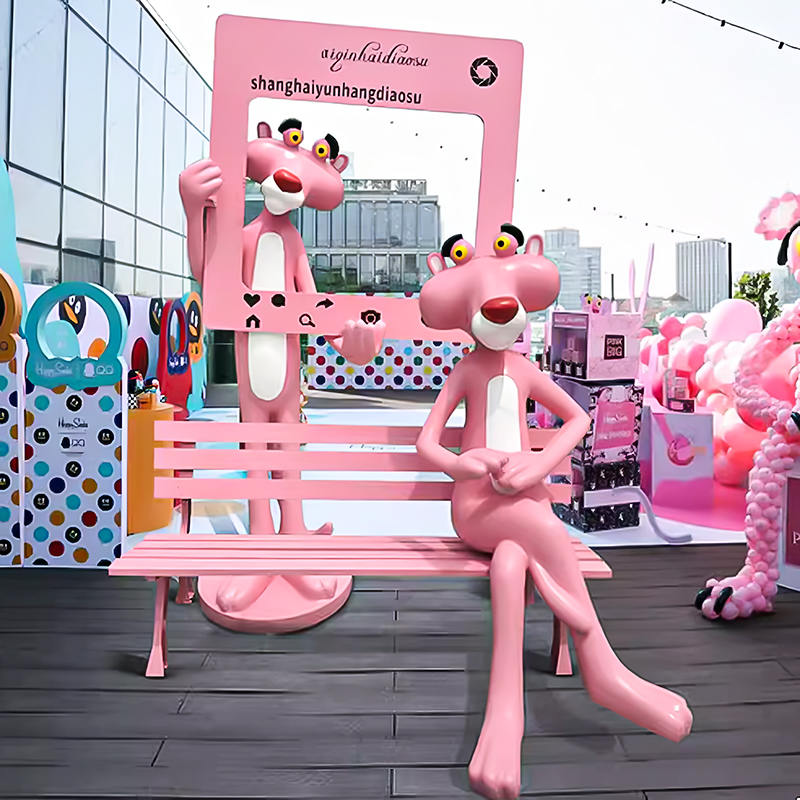
Outdoor Park Fiberglass Cartoon Playful Pink Panther Statue is made of high-quality weather-resistant fiberglass, which ...
See Details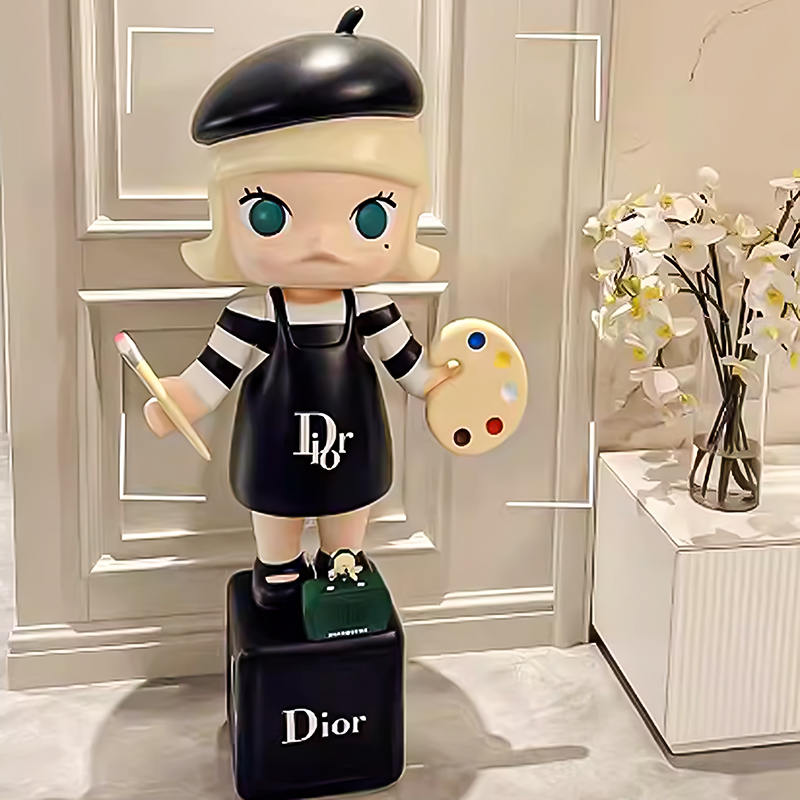
Home Decor Fiberglass Cartoon Pop Mart Sculptures can be placed in any living space, office or collection space. Lightwe...
See Details
Copyright © Jiangsu Chuanggeng Arts & Crafts Co., Ltd. All Rights Reserved.
FRP/Fiberglass/ Resin/Vinyl Art Sculptures Statues Manufacturers
