
 English
 Français
 عربى
عربىKaws, the creator is an American street artist with representative works such as "The Long Way Home". In 2006, he founde...
See Details

Article Directory
Jiangsu Chuanggeng Crafts Co., Ltd., based in the industrial hub of Taizhou, Jiangsu, operates as a comprehensive enterprise integrating design, production, and installation of complex landscape elements. Specializing in high-performance materials such as glass fiber reinforced plastic (GFRP), polyurea (SPUA), and stainless steel, our facility utilizes a highly skilled team of sculptors and designers to execute large-scale municipal and commercial projects. In the context of public space infrastructure, a cartoon character sculpture is more than an aesthetic asset; it is an engineered structure that must adhere to stringent safety protocols and internal structural integrity standards to ensure long-term stability and public safety.
For any large-scale cartoon character sculpture, the primary load-bearing component is the internal skeleton. This typically consists of a hot-dip galvanized steel frame (Q235B or higher) that resists oxidation and provides a high yield strength. Understanding how to calculate wind load for public sculptures is essential for preventing structural failure during extreme weather events. Engineers must determine the drag coefficient based on the sculpture's surface geometry to ensure the center of gravity remains low. By utilizing a steel internal structure for fiberglass sculptures, the integrity of the outer shell is maintained even under significant lateral forces. The impact resistance of cartoon sculptures in public areas is further enhanced by welding the internal armature to a heavy-duty base plate, typically 10mm to 20mm thick, which is then chemically anchored into a concrete foundation.
The choice of exterior material significantly impacts the durability of cartoon sculptures for parks. High-specification resin and fiberglass laminates are often used to achieve complex geometries with a high strength-to-weight ratio. A critical question for municipal buyers is why polyurea coating is used for sculptures; this SPUA material provides an elastic, high-tensile protective layer that resists UV degradation and mechanical abrasion. When considering cartoon character sculpture vs traditional bronze, the former offers a lower product cost and shorter production cycle while achieving an ISO 9227 salt spray test rating equivalent to metal finishes. To ensure the safety of children, the surface must have an Ra surface finish that is smooth and free of sharp edges or pinch points, meeting the physical property requirements for public playground equipment.
In indoor commercial spaces and schools, the fire rating of fiberglass cartoon sculptures is a non-negotiable safety parameter. Materials must reach a B1-Class flame retardancy according to EN 13501-1 or GB 8624 standards. Furthermore, the non-toxic paints for cartoon character sculptures used by Jiangsu Chuanggeng Crafts Co., Ltd. are certified for low VOC emissions, ensuring they are safe for close-contact interactions. Verifying ASTM F963 compliance for public sculptures ensures that the pigments and resins are free of heavy metals such as lead and cadmium. These safety certifications for public art installations provide a legal and technical framework that protects both the commissioning entity and the public user.
The transition from the sculpture to the ground requires precise foundation requirements for outdoor sculptures. To prevent accidental tipping, anti-toppling systems for public cartoon models are integrated during the casting phase. This involves extended steel tendons that protrude from the base and lock into the subterranean concrete slab. The tensile strength of sculpture anchors must be verified to withstand not only environmental loads but also "climbing loads" from the public. The following table highlights the technical differences between various material configurations used in high-traffic public areas.
| Structural Parameter | Foam + Resin (Lightweight) | GFRP + Steel Frame (Standard) | Stainless Steel (Heavy Duty) |
| Density (kg/m3) | 20 - 40 | 1500 - 1800 | 7800 - 8000 |
| Fire Resistance Class | Class B2 | Class B1 / A | Class A (Non-combustible) |
| UV Stability (Years) | 3 - 5 | 10 - 15 | 25+ |
| Surface Hardness (Barcol) | Low | 40 - 50 | 90+ |
| Installation Complexity | Low | Medium | High |
Ensuring the maintenance of fiberglass cartoon sculptures involves annual structural inspections and periodic re-coating of the UV-resistant top layer. The waterproof properties of SPUA-coated sculptures prevent moisture from seeping into the internal steel frame, which could otherwise lead to internal corrosion and structural weakening. By adhering to these rigorous engineering standards for character sculptures, Jiangsu Chuanggeng Crafts Co., Ltd. delivers economically durable products that maintain their artistic fidelity and structural safety for decades. This commitment to innovation and excellence enables our clients to enhance market competitiveness through safe and reliable landscape art.
Q1: What is the maximum height-to-base ratio allowed for a free-standing sculpture without additional guy-wires?
A1: Typically, a ratio of 3:1 is recommended for safety, though this can be exceeded if the internal steel frame is weighted at the bottom and anchored with high-tensile M20 chemical bolts.
Q2: How does the "hollow" structure of GFRP affect acoustic resonance in public spaces?
A2: Large hollow sculptures can act as resonators. To prevent "drumming" noise, we can inject high-density acoustic foam into the cavity, which also improves thermal insulation and structural rigidity.
Q3: Is the polyurea (SPUA) coating resistant to graffiti?
A3: Yes, the high cross-link density of our SPUA coatings allows for the use of specialized solvent cleaners to remove graffiti without damaging the underlying sculpture surface.
Q4: Can these sculptures withstand seismic activity?
A4: Yes, by utilizing flexible anchoring systems and verifying the seismic load according to local building codes (e.g., ASCE 7), our sculptures are engineered to absorb vibrations without catastrophic fracture.
Q5: What is the standard curing time for a large-scale resin sculpture before it can be shipped?
A5: While the initial set occurs in hours, a full chemical cure for maximum tensile strength requires 7 to 14 days at 25 degrees Celsius, depending on the resin type and laminate thickness.
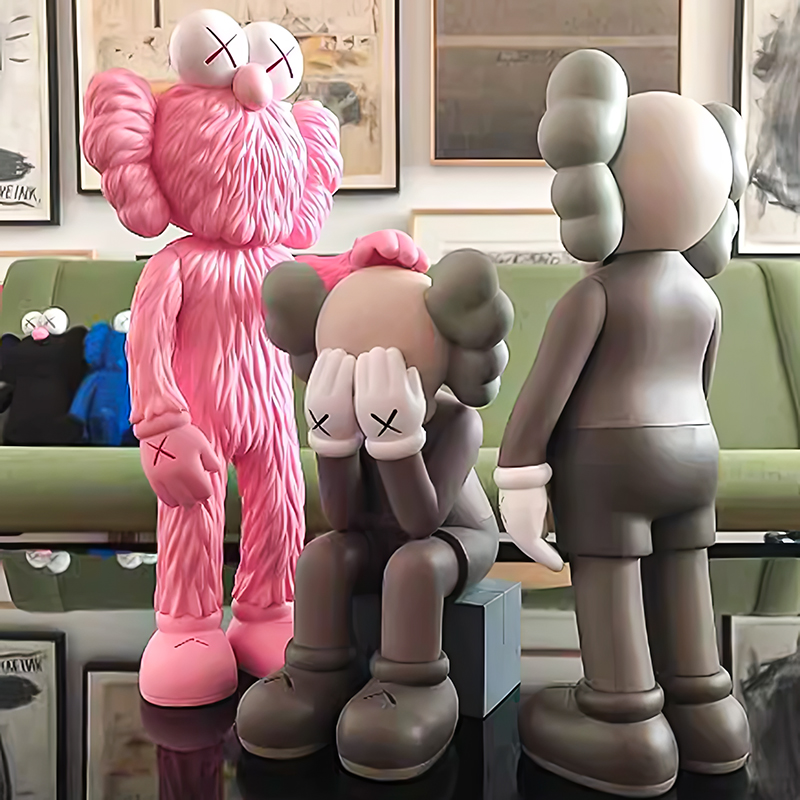
Kaws, the creator is an American street artist with representative works such as "The Long Way Home". In 2006, he founde...
See Details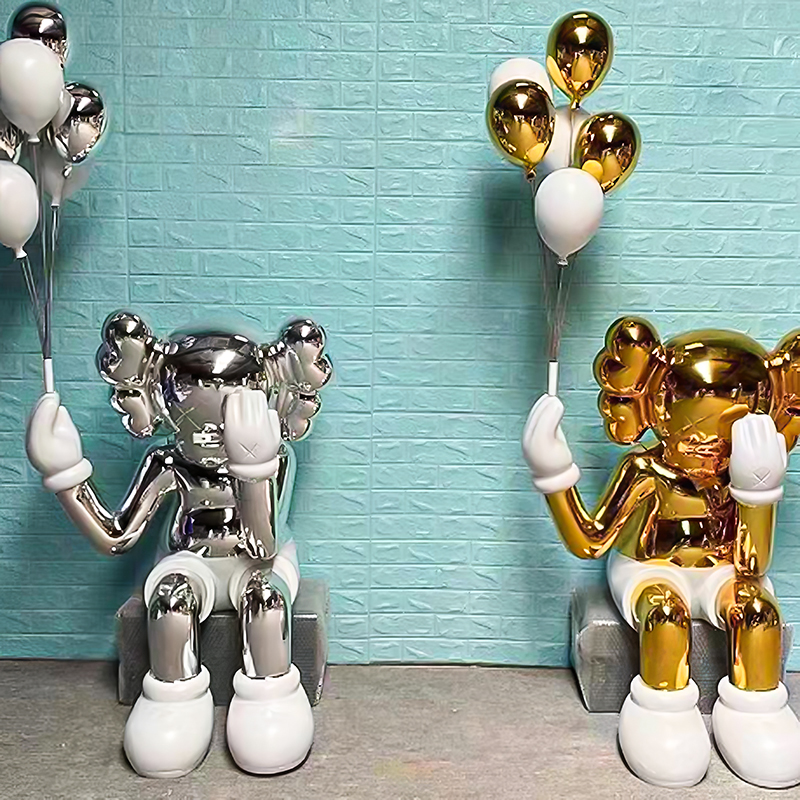
KAWS is a well-known trendy brand in the United States, more notably its dolls, which are very personalized and recogniz...
See Details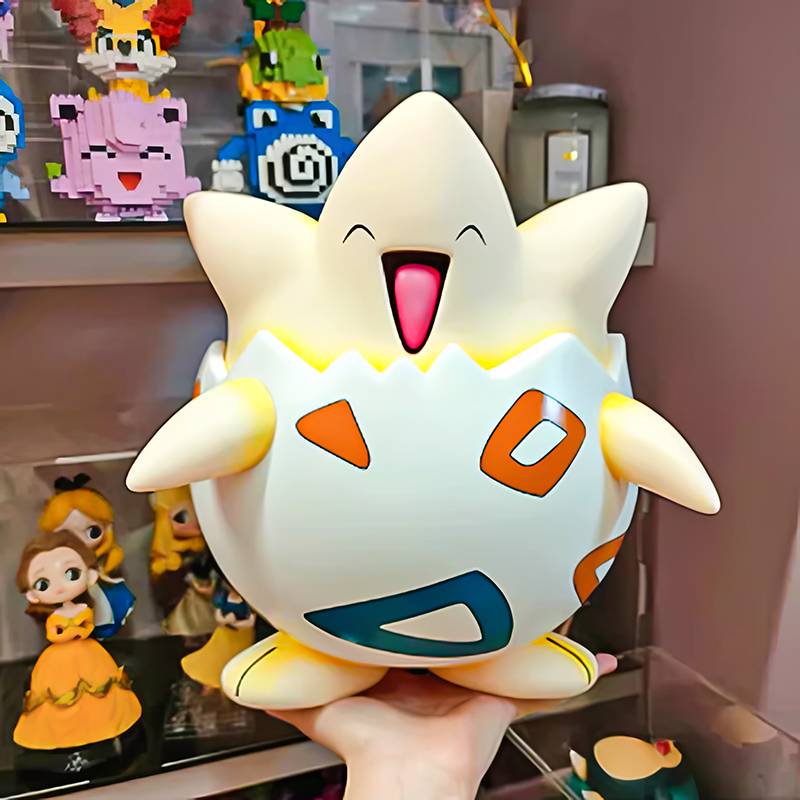
The Pok é Mon series is the selling electronic game series in the world, second only to Nintendo's Super Mario series, a...
See Details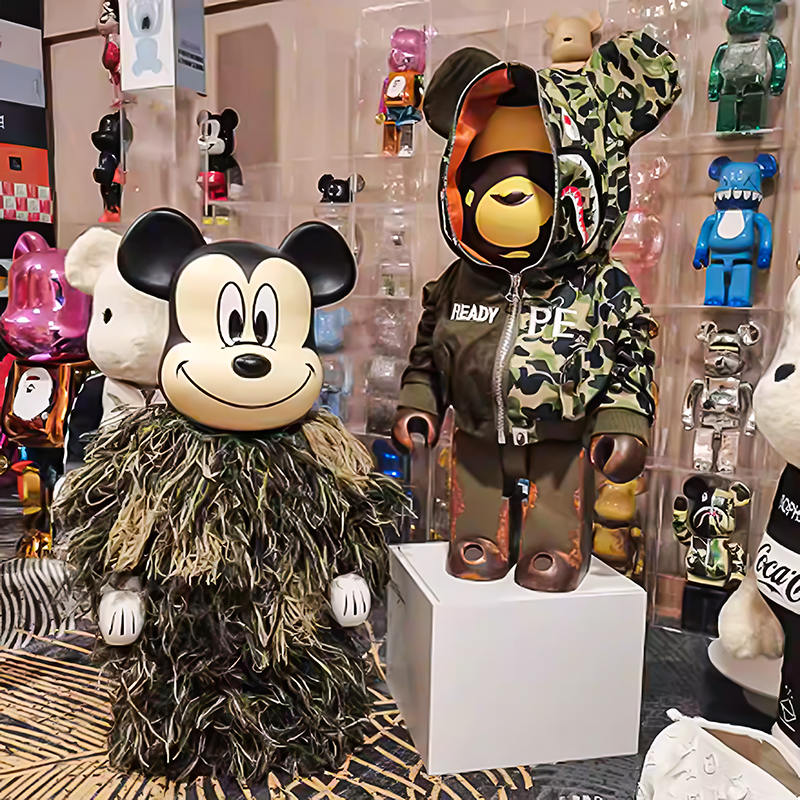
Bearbrick is a well-known building block bear toy produced by the Japanese company MEDICOM. It was officially launched i...
See Details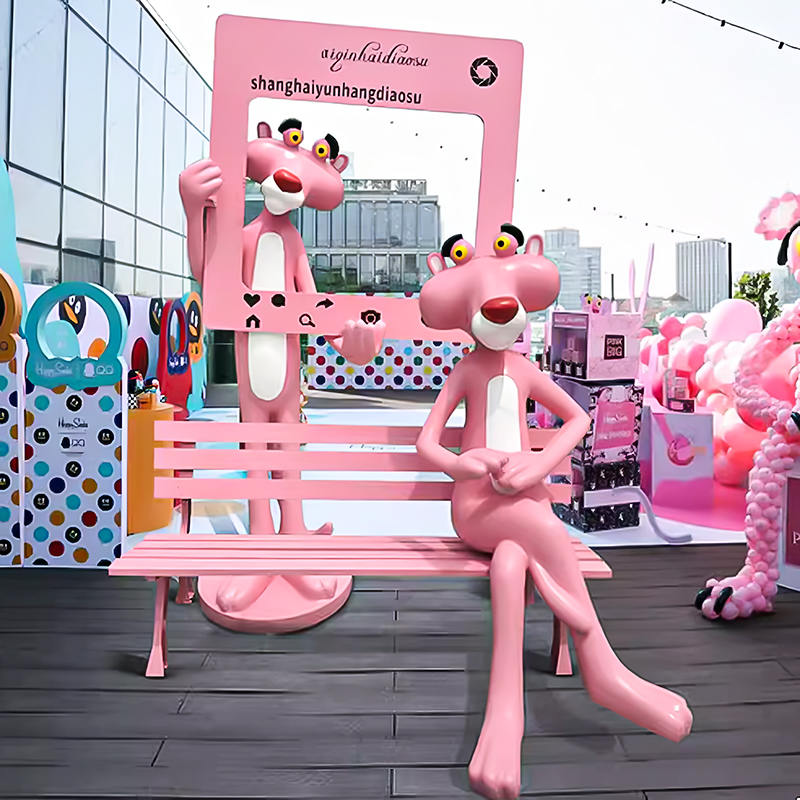
Outdoor Park Fiberglass Cartoon Playful Pink Panther Statue is made of high-quality weather-resistant fiberglass, which ...
See Details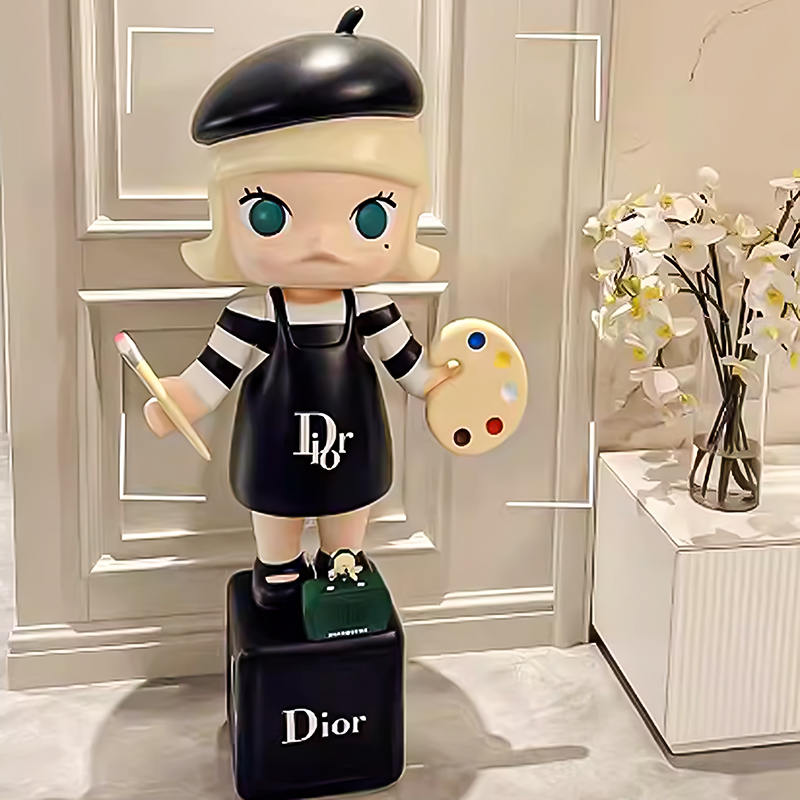
Home Decor Fiberglass Cartoon Pop Mart Sculptures can be placed in any living space, office or collection space. Lightwe...
See Details
Copyright © Jiangsu Chuanggeng Arts & Crafts Co., Ltd. All Rights Reserved.
FRP/Fiberglass/ Resin/Vinyl Art Sculptures Statues Manufacturers
