
 English
 Français
 عربى
عربىKaws, the creator is an American street artist with representative works such as "The Long Way Home". In 2006, he founde...
See Details

Article Directory
A well-made Real Life Cartoon Sculpture can turn an empty plaza, mall atrium, or theme park entrance into a photo destination. But not every sculpture holds up the same way once it leaves the workshop — material choice, coating quality, and structural design determine whether a piece stays vivid and stable for years, or fades and cracks within a single season.
A real life cartoon sculpture is a life-size or oversized three-dimensional replica of a cartoon or animated character, built to hold both its shape and its color under real-world display conditions.
Cartoon sculptures are produced in several material formats, each suited to different budgets, display environments, and levels of detail.
For brand mascots or IP-based characters, a custom cartoon figurine installation is designed from client-supplied artwork or original concepts, then scaled and engineered for the specific site — whether that's a single hero piece or a themed group installation.
| Sculpture Type | Best Suited For | Typical Setting |
|---|---|---|
| Fiberglass Cartoon Sculpture | Large or life-size figures | Theme parks, outdoor plazas |
| Resin Cartoon Statue | Fine detail, smaller scale | Indoor displays, retail counters |
| Outdoor Cartoon Statue | Permanent weather exposure | Public parks, mall entrances |
Cartoon sculptures serve very different purposes depending on where they're installed, and the design brief should reflect the specific commercial goal behind the piece.
Landmark features and photo points that must withstand heavy daily foot traffic and continuous outdoor exposure.
Often rotated seasonally to drive foot traffic; indoor placement puts more emphasis on close-range finish quality.
Trade shows and pop-ups where transport and reassembly matter alongside visual quality.
Long-term public landmarks emphasizing structural durability and vandal resistance.
Short-term pieces optimized for visual impact in photos rather than long-term weatherproofing.
A sculpture that looks great in a rendering can still underperform on site if its materials and coatings aren't matched to the installation environment.
Outdoor pieces need weather-resistant base materials and sealed joints to prevent water infiltration and internal damage, particularly through freeze-thaw cycles.
A UV-stable topcoat protects painted colors from fading under prolonged sun — especially important where color accuracy is part of a brand identity.
Fiberglass statues rely on internal steel or aluminum framing, particularly for extended limbs or thin structural points vulnerable to stress.
Hand-painted finishes using automotive-grade or UV-resistant paints generally hold vibrancy longer than lower-grade coatings.
Understanding how a cartoon sculpture is actually made helps buyers set realistic timelines and avoid costly revisions mid-project.
Confirm concept and dimensions before mold production, review a sample finish before full painting, and plan installation logistics early.
A life-size or oversized 3D replica of a cartoon character, typically fiberglass or resin, finished with detailed hand painting.
Fiberglass for large outdoor pieces, resin for smaller detailed sculptures, both finished with painted and protective coatings.
Yes, with weather-resistant materials, sealed joints, and UV-stable coatings built for continuous exposure.
Lifespan depends on coating quality, climate, and maintenance — ask suppliers about expected service life for your setting.
Yes, from original artwork or brand mascots, with color, pose, and scale tailored to the site and marketing goal.
Cost depends on size, material, detail level, and order quantity — best discussed directly against your project brief.
Choosing the right real life cartoon sculpture means balancing creative impact with practical durability. A striking design that fades or cracks within a year undermines the investment, while a technically sound sculpture with a weak character likeness fails to deliver the engagement the installation was meant to create. The strongest projects come from suppliers who manage both sides of that balance, from 3D concept design through weatherproof finishing.
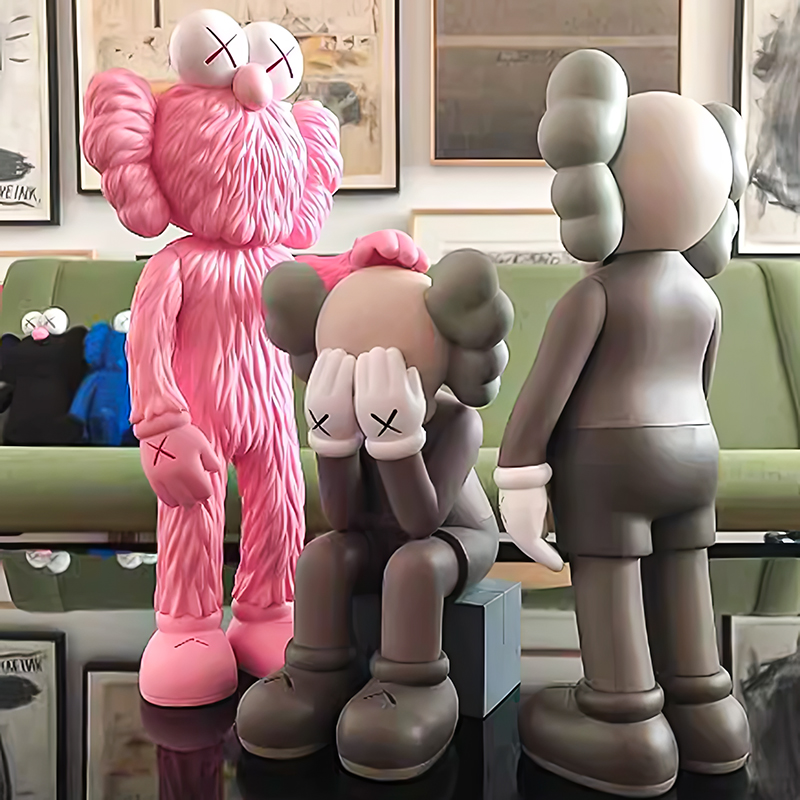
Kaws, the creator is an American street artist with representative works such as "The Long Way Home". In 2006, he founde...
See Details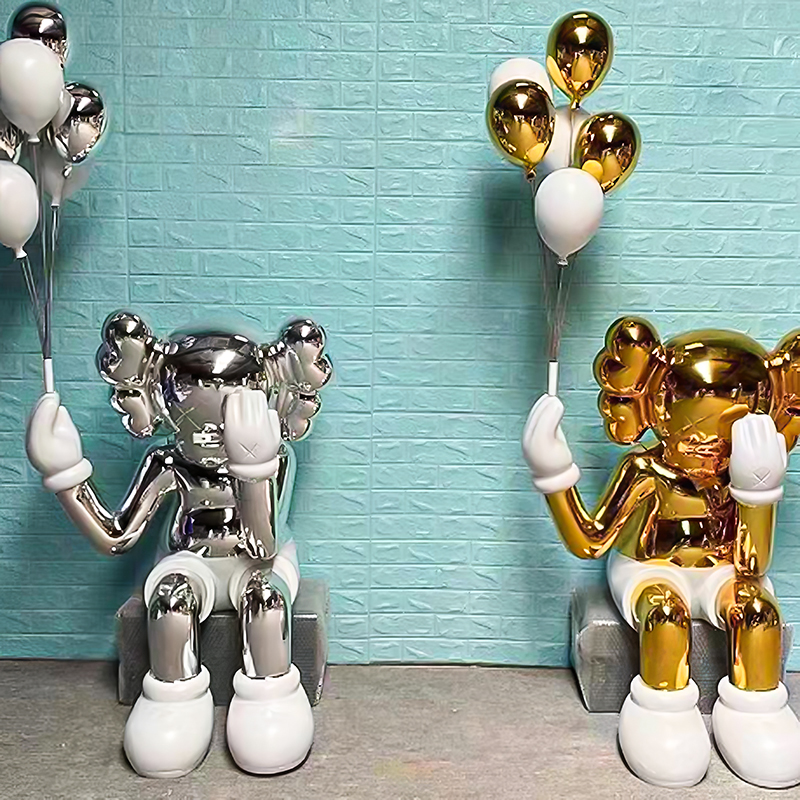
KAWS is a well-known trendy brand in the United States, more notably its dolls, which are very personalized and recogniz...
See Details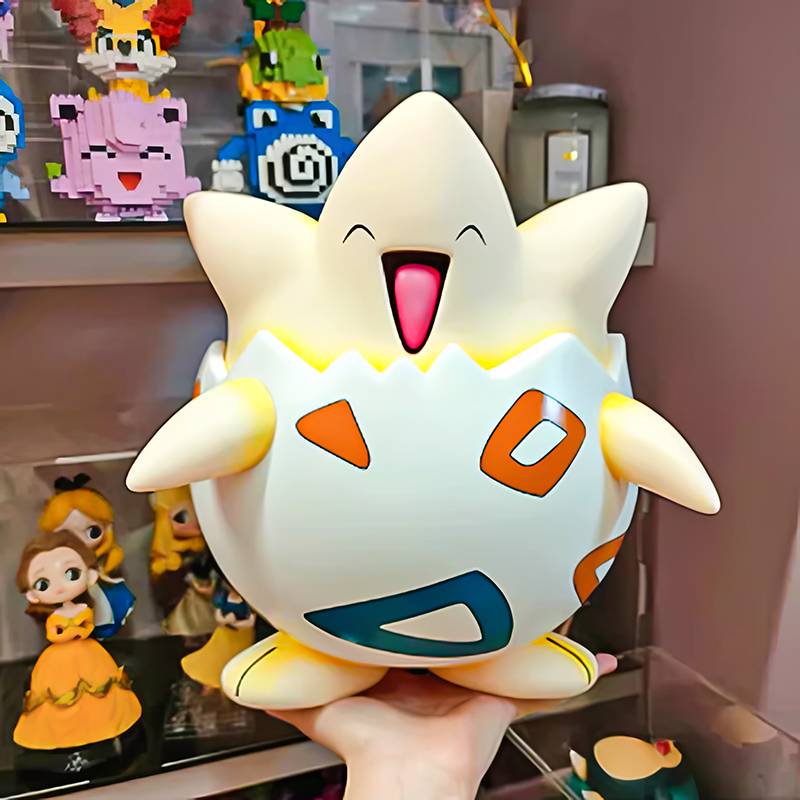
The Pok é Mon series is the selling electronic game series in the world, second only to Nintendo's Super Mario series, a...
See Details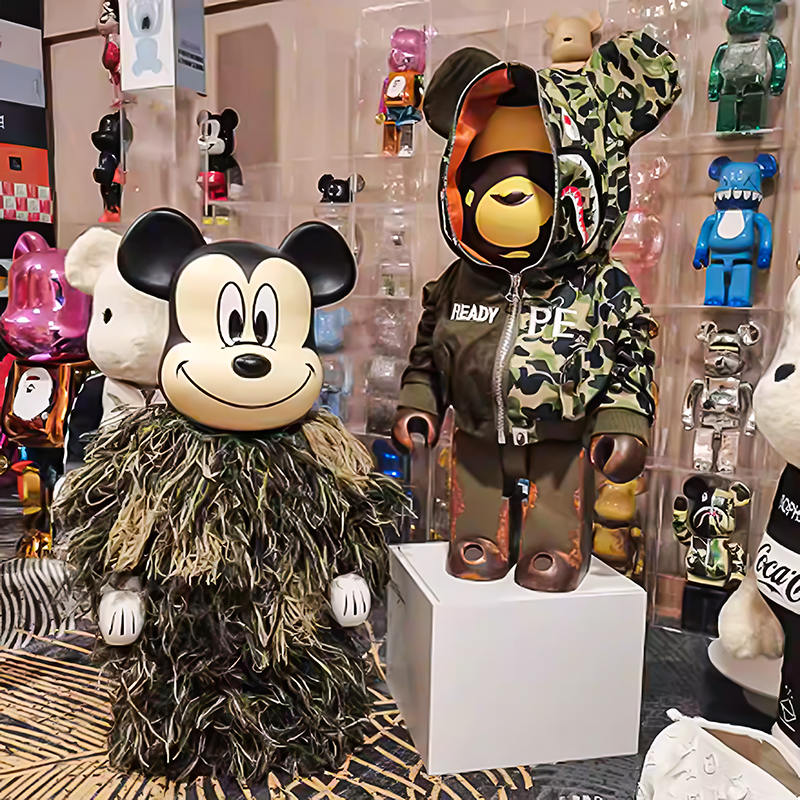
Bearbrick is a well-known building block bear toy produced by the Japanese company MEDICOM. It was officially launched i...
See Details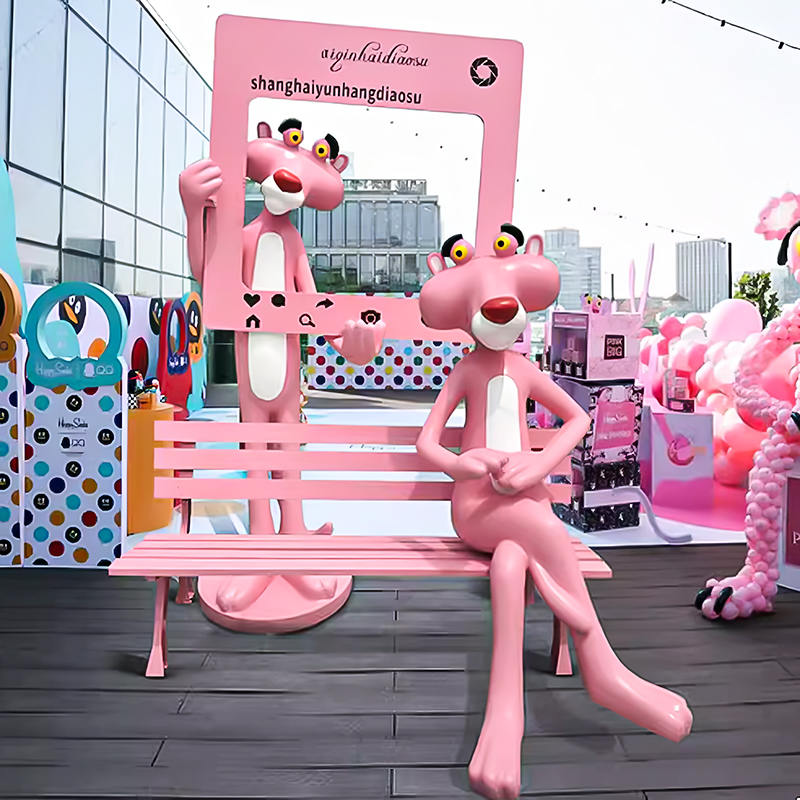
Outdoor Park Fiberglass Cartoon Playful Pink Panther Statue is made of high-quality weather-resistant fiberglass, which ...
See Details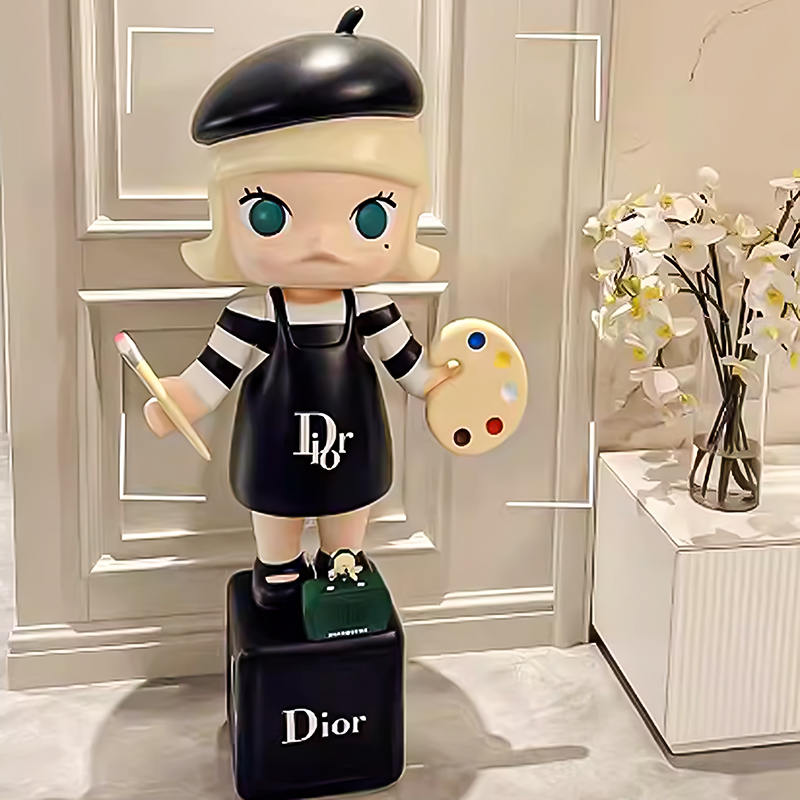
Home Decor Fiberglass Cartoon Pop Mart Sculptures can be placed in any living space, office or collection space. Lightwe...
See Details
Copyright © Jiangsu Chuanggeng Arts & Crafts Co., Ltd. All Rights Reserved.
FRP/Fiberglass/ Resin/Vinyl Art Sculptures Statues Manufacturers
