
 English
 Français
 عربى
عربىKaws, the creator is an American street artist with representative works such as "The Long Way Home". In 2006, he founde...
See Details

Article Directory
A well-made cartoon character sculpture can turn an empty lobby, mall atrium, or exhibition booth into a spot people stop to photograph. Unlike a flat printed graphic, a three-dimensional sculpture holds attention from every angle and gives a brand or venue a physical landmark. This guide covers materials, manufacturing, durability, and how sculptures compare with lighter-weight display alternatives.
A cartoon character sculpture is a three-dimensional replica of an illustrated or animated character, built at display scale for decorative, commercial, or collectible purposes. As a 3D character art statue, it translates a two-dimensional design into a physical form that can be placed indoors or outdoors, viewed from any angle, and scaled from tabletop size up to building-height installations.
A decorative cartoon figure sculpture serves a different purpose depending on context: a collectible character model statue is built for close-up detail and personal display, while a commercial display art sculpture is engineered first for durability and crowd interaction, with fine detail as a secondary priority.
Material choice depends heavily on whether the sculpture will sit indoors, face weather exposure, or need to survive repeated public contact.
Fiberglass sculpture material is the standard choice for large-scale outdoor pieces because it combines light weight with strong structural rigidity once cured over an internal frame. Resin cartoon statue production tends to suit smaller, more detailed collectible pieces where fine surface texture matters more than sheer size. PVC character figure sculpture and vinyl toy sculpture material are common at smaller scales and lower cost points, while polyurethane foam sculpture cores are often used inside larger builds to reduce overall weight before the outer shell is applied. The resin vs fiberglass sculpture comparison usually comes down to this same trade-off: resin for detail and finish, fiberglass for scale and outdoor durability.
Anchor decorations and seasonal display pieces near entrances or atriums.
Life-size character statues used as photo points along visitor routes.
Window and floor displays that draw attention from outside the shop.
Branded character pieces built to stand out on a trade show floor.
Themed interior pieces that reinforce a venue's overall concept.
Larger permanent installations built for long-term outdoor display.
Shopping mall decoration sculpture programs typically rotate pieces seasonally, while theme park character statues are usually built for years of continuous outdoor exposure. Retail store display art and exhibition booth decoration share a common goal — maximizing visual impact for a temporary or semi-permanent period — whereas hotel and restaurant interior design applications tend to prioritize finish quality since guests view the pieces up close and repeatedly.
Holds up to rain, humidity, and temperature swings for outdoor placement.
Protects painted surfaces from fading under prolonged sun exposure.
Captures the character's proportions and expression accurately at display scale.
Withstands accidental contact in high-traffic public areas.
Maintains structural and visual condition across years of display.
Whether fiberglass sculptures can be used outdoors depends largely on the quality of the UV-resistant topcoat applied over the base material — an unprotected surface will fade and chalk noticeably faster than one finished with a proper weather-rated coating.
Production moves from digital design through physical molding to final surface finishing.
3D modeling & sculpting
Mold making
Fiberglass lay-up or resin casting
Surface painting & finishing
The process starts with 3D modeling sculpture production, where a digital or hand-sculpted model establishes the character's proportions before molds are made. For larger pieces, a fiberglass hand lay-up technique builds up layers of resin-soaked fiberglass cloth over the mold to form a strong, lightweight shell. Smaller or highly detailed pieces instead go through a resin casting process, pouring liquid resin into a mold to capture finer surface detail. Once the shell or cast piece is cured and assembled, a surface painting finishing process applies base color, detail work, and a protective topcoat to complete the sculpture.
Best detail and permanence, higher cost and weight, suited to long-term display.
Lower cost, lighter weight, less durable under heavy outdoor exposure.
Cheapest and most portable, but short lifespan and weather dependent.
The sculpture vs PVC figure comparison typically favors sculpture for anything meant to stay in place for years, since resin statue vs plastic toy model durability differences become obvious after repeated outdoor seasons. Inflatable decoration vs solid sculpture is a different trade-off entirely — inflatables win on portability and low cost for short-term events, while solid sculpture wins on durability comparison for display products meant to remain standing regardless of weather. Indoor vs outdoor display materials should always be matched to how long the piece needs to last and how much handling it will see.
High production cost sculpture projects are common because each piece typically requires custom molding rather than mass production. Heavy weight installation issues can complicate placement, particularly for large fiberglass pieces that need reinforced flooring or anchoring. Whether resin sculptures are easy to break depends on wall thickness and internal support — thinner decorative details are the most vulnerable points, and transportation damage risk is highest during shipping and installation rather than during normal display use. Color fading over time remains a factor for any outdoor piece, even with a UV-resistant coating, simply due to years of continuous sun exposure.
Digital design tools and lighter materials are changing how cartoon character sculpture projects move from concept to finished installation.
Digital 3D sculpting technology has largely replaced hand-carved clay models for establishing a character's initial form, cutting down design iteration time significantly. AI generated character modeling is beginning to assist with early concept variations before a sculptor refines the final design. Interactive smart sculptures — pieces that respond to motion or sound — are appearing more often in themed entertainment design trend projects, and lightweight composite materials are helping reduce installation complexity for large-scale public pieces without giving up structural strength.
A three-dimensional physical replica of an illustrated or animated character, built for decorative or commercial display.
Common materials include fiberglass, resin, PVC, vinyl, and polyurethane foam, depending on scale and use case.
Yes, when built with weather resistant materials and a UV-protective surface coating suited to outdoor exposure.
Service life depends on material quality, coating, and exposure conditions rather than a single fixed figure.
The cured fiberglass shell itself resists water well, though seams and coatings still need proper sealing.
Through digital or hand sculpting, mold making, fiberglass or resin forming, and a final painting and finishing stage.
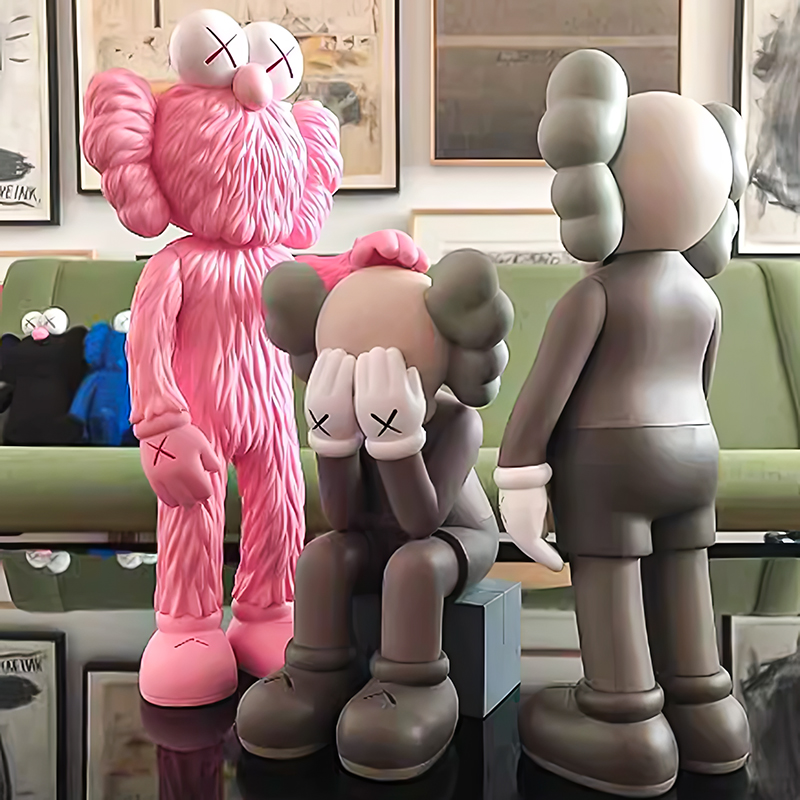
Kaws, the creator is an American street artist with representative works such as "The Long Way Home". In 2006, he founde...
See Details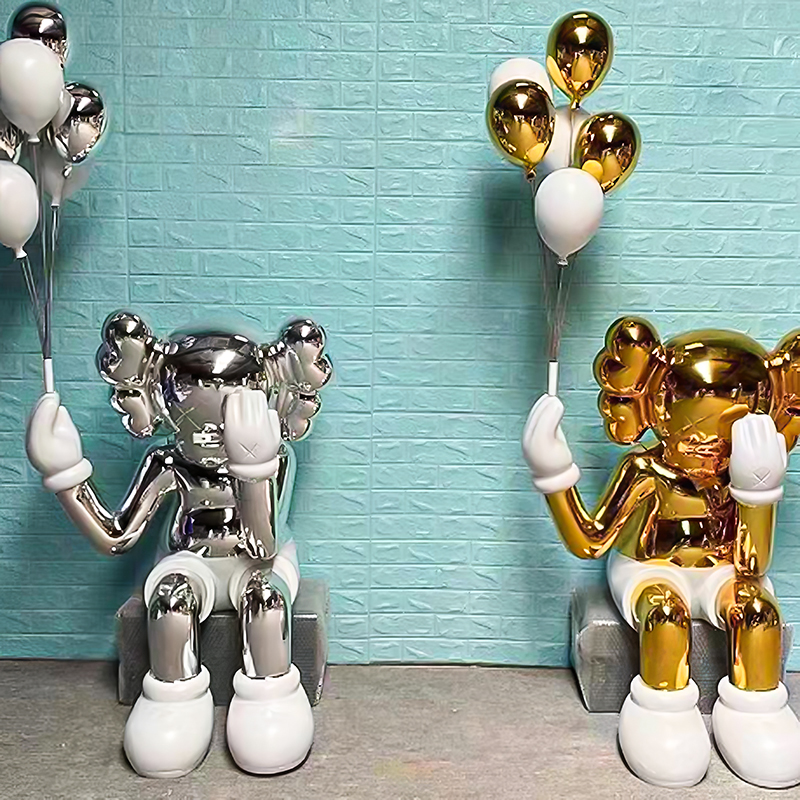
KAWS is a well-known trendy brand in the United States, more notably its dolls, which are very personalized and recogniz...
See Details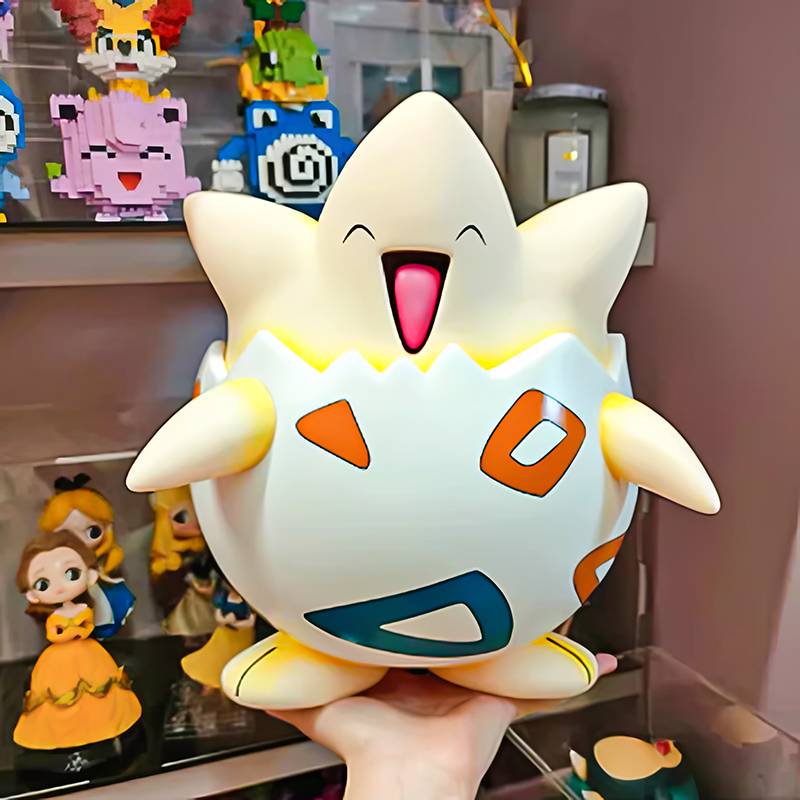
The Pok é Mon series is the selling electronic game series in the world, second only to Nintendo's Super Mario series, a...
See Details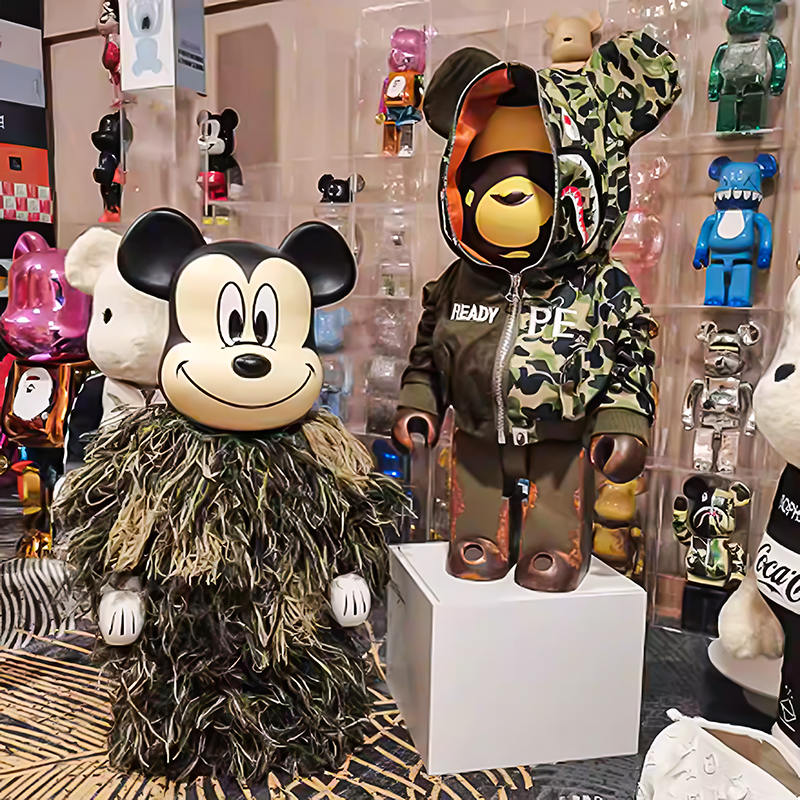
Bearbrick is a well-known building block bear toy produced by the Japanese company MEDICOM. It was officially launched i...
See Details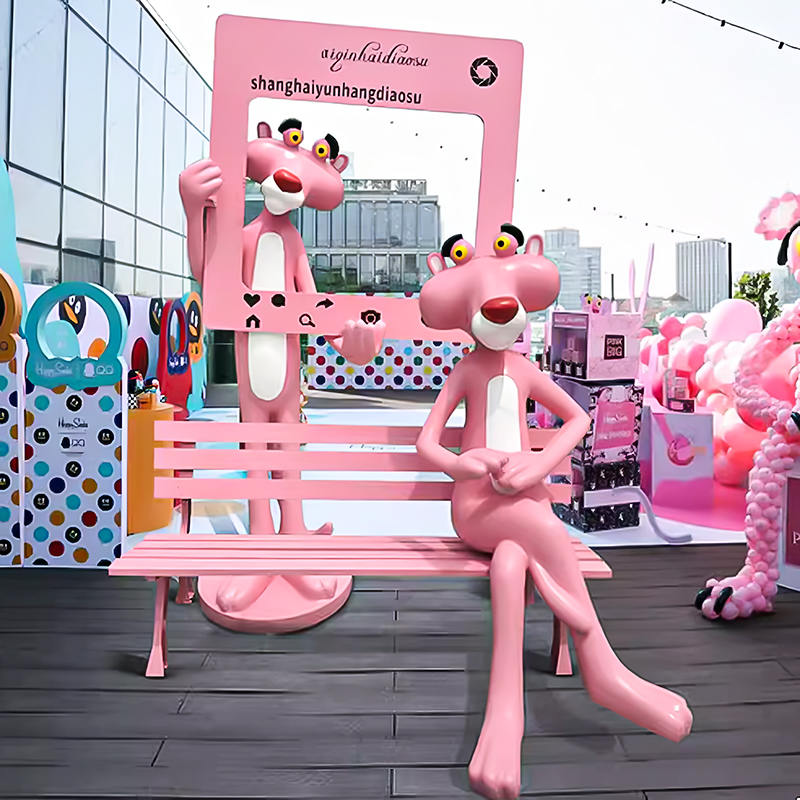
Outdoor Park Fiberglass Cartoon Playful Pink Panther Statue is made of high-quality weather-resistant fiberglass, which ...
See Details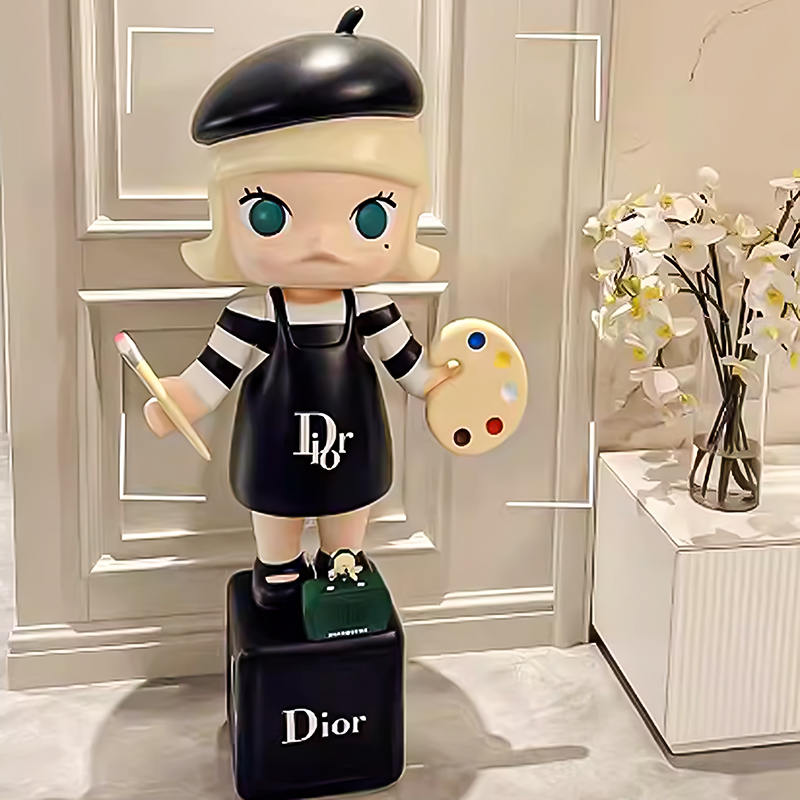
Home Decor Fiberglass Cartoon Pop Mart Sculptures can be placed in any living space, office or collection space. Lightwe...
See Details
Copyright © Jiangsu Chuanggeng Arts & Crafts Co., Ltd. All Rights Reserved.
FRP/Fiberglass/ Resin/Vinyl Art Sculptures Statues Manufacturers
