
 English
 Français
 عربى
عربىKaws, the creator is an American street artist with representative works such as "The Long Way Home". In 2006, he founde...
See Details

Article Directory
Cartoon figures sculptures are three-dimensional artistic installations that recreate beloved animated and illustrated characters — from Mickey Mouse to original mascots — in durable, full-scale sculptural form. They are commissioned worldwide for theme parks, shopping malls, resort lobbies, playgrounds, and brand activations where a single striking figure can anchor an entire space and create an instant emotional connection with visitors.
A cartoon figure sculpture is a custom-fabricated, three-dimensional replica of an animated or illustrated character, engineered to withstand public interaction and outdoor environmental exposure while preserving the visual warmth and proportional exaggeration that makes cartoon characters instantly recognizable.
Unlike traditional figurative sculpture that pursues realism, cartoon figure sculptures deliberately amplify the defining visual traits of a character — oversized heads, exaggerated expressions, bold color blocking, and simplified silhouettes. This exaggeration is structural and intentional: it makes figures readable from a distance, photograph beautifully, and retain their personality regardless of viewing angle.
Commercial applications span a wide range of industries. Theme parks use them as wayfinding anchors and photo opportunities; retail developers install them at entrance plazas to signal a brand identity; hospitality groups commission original cartoon mascots as sculptural centrepieces for hotel lobbies and resort pools. At any scale — from a 60 cm tabletop figure to an 8-metre towering installation — the core engineering and artistic requirements remain the same.
Material selection is the single most consequential decision in outdoor cartoon figure sculpture production. The material must resist UV radiation, moisture infiltration, freeze-thaw cycles, and physical impact — while remaining paintable to the vivid color palette cartoon characters demand.
| Material | Weather Resistance | Weight | Paint Adhesion | Best For |
| Fiberglass (FRP) | Excellent | Light | Outstanding | Most outdoor figures; vibrant colors |
| Stainless Steel | Superior | Heavy | Powder coat only | High-traffic, vandal-prone sites |
| Cast Stone / GFRC | Very Good | Very Heavy | Good | Permanent garden or plaza installations |
| HDPE / Rotomolded Plastic | Good | Light | Moderate | Temporary or relocatable figures |
| Bronze | Exceptional | Very Heavy | Patina finish | Heritage sites; long-term public art |
Fiberglass reinforced polymer (FRP) is the material of choice for the majority of commercial outdoor cartoon figure sculptures. It accepts automotive-grade polyurethane and gelcoat paints that retain saturation under direct UV exposure, and its strength-to-weight ratio allows large figures to be transported, installed, and relocated without heavy lifting equipment.
Professional cartoon figure sculpture production follows a defined sequence from concept art to final installation. Understanding this process helps clients set realistic timelines — most custom figures require 45 to 90 days from approved design to delivery.
Artists convert 2D character artwork or brand mascot references into a full 3D digital model using software such as ZBrush or Blender. All proportions, expression details, and color zones are locked at this stage. Client approval of the 3D render is required before fabrication begins.
The approved 3D file is sent to a CNC router or large-format 3D printer that carves or builds a full-scale foam or resin core of the figure. This core becomes the mold pattern. Complex figures are split into sections for easier mold-making and later assembly.
Silicone or fiberglass molds are taken from the carved core. High-detail areas such as facial features, hands, and textured surfaces require flexible silicone molds to capture fine geometry without distortion. A single figure may require 8 to 20 individual mold sections.
Layers of fiberglass mat and resin are applied into each mold section, building up wall thickness of 4 to 8 mm depending on the figure size. Cured sections are demolded, trimmed, and bonded together around a central steel armature that anchors the figure to its base or mounting point.
The assembled figure is filled, sanded, and primed through multiple grit stages to achieve a smooth surface. Artists then apply character-accurate colors using automotive-grade urethane paints, followed by UV-resistant clearcoat in matte, satin, or gloss finish as required by the design.
Finished sculptures are photographed against the approved 3D render for color and proportion sign-off. Figures are custom-crated in foam-lined wooden cases for shipping. Installation anchoring uses stainless steel through-bolts or embedded ground sleeves depending on the site substrate.
The lifespan of a cartoon figures sculpture depends on three variables: material specification, environmental exposure, and maintenance consistency. A fiberglass figure installed in a covered indoor atrium with stable humidity will outlast the same figure mounted in a coastal marine environment without periodic recoating.
Stainless steel cartoon sculptures carry an effectively unlimited structural lifespan — the 1984 stainless steel public sculptures in Chicago's Millennium Park area remain structurally intact 40 years after installation. Fiberglass figures, properly maintained, routinely reach 20-plus years in commercial theme park environments before requiring full refurbishment rather than replacement.
Yes. Professional fabricators produce cartoon figures from miniature display scale (30 cm) up to large landmark installations exceeding 10 metres in height. Figures above 3 metres are typically engineered in modular sections for transport and bolted together on site around a primary structural steel spine that handles wind and seismic loading.
Original custom mascots and brand characters are the most common commission type. Fabricators work from client-supplied character sheets or collaborate with a character designer during the concept phase. Licensed IP reproduction requires the client to hold valid reproduction rights — reputable studios will request written IP authorization before beginning any Disney, Marvel, or similar character project.
Standard anchoring uses 316 stainless steel threaded rods embedded in a concrete footing, passing through a steel baseplate welded to the sculpture's internal armature. For removable or seasonal installations, ground sleeve systems allow the figure to be lifted out and stored. Anti-tamper bolt caps are standard on all public-facing anchor points.
A standard custom figure — one character, 1 to 2 metres tall — requires 45 to 60 days from design approval to shipping. Complex multi-figure groups, large-scale landmark pieces above 4 metres, or projects requiring licensed IP approval typically run 90 to 120 days. Rush production at 30 days is possible for straightforward single figures at a premium.
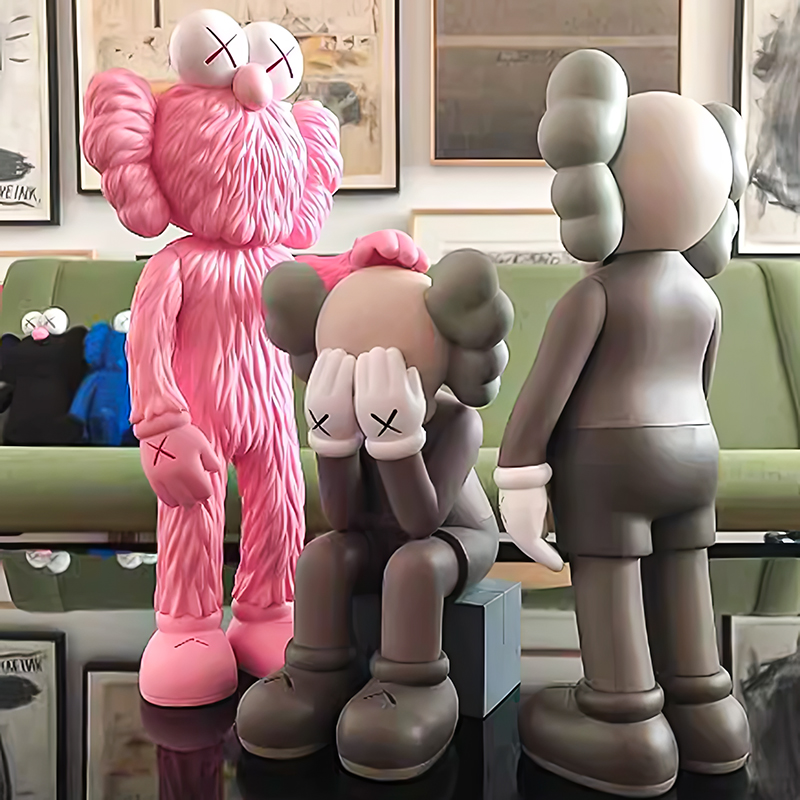
Kaws, the creator is an American street artist with representative works such as "The Long Way Home". In 2006, he founde...
See Details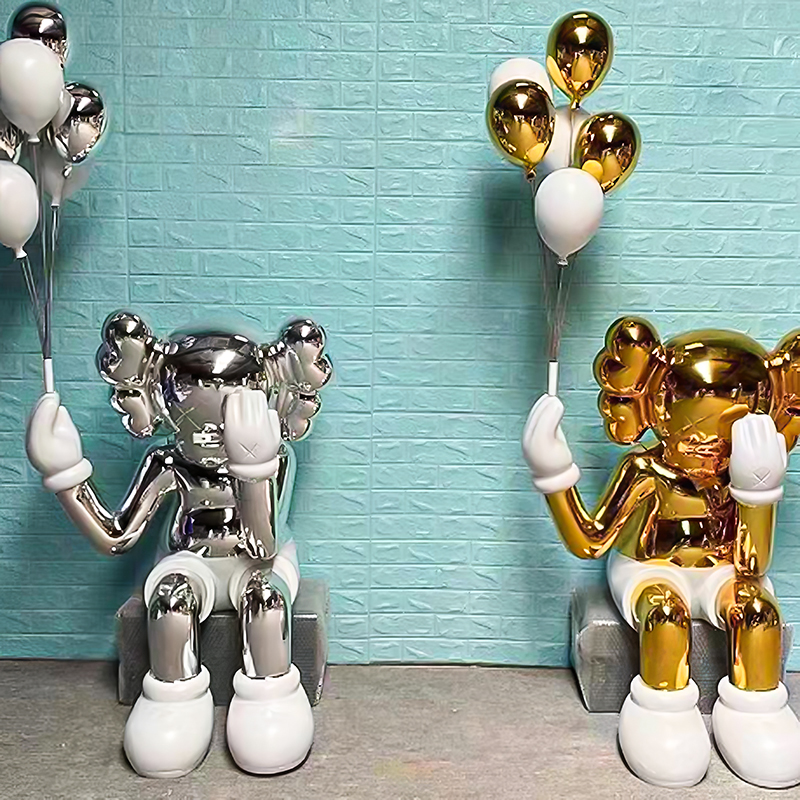
KAWS is a well-known trendy brand in the United States, more notably its dolls, which are very personalized and recogniz...
See Details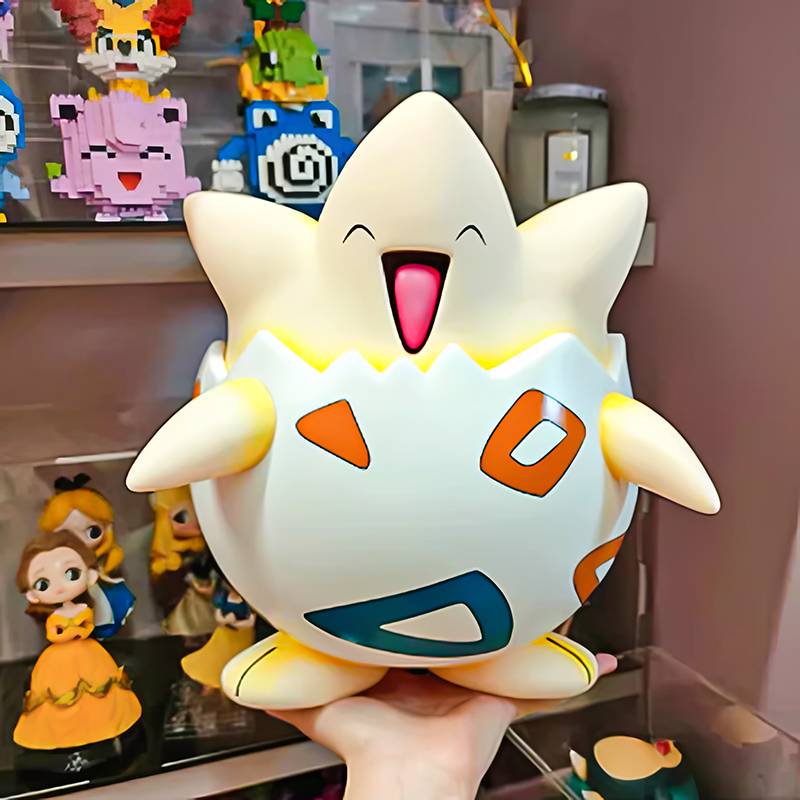
The Pok é Mon series is the selling electronic game series in the world, second only to Nintendo's Super Mario series, a...
See Details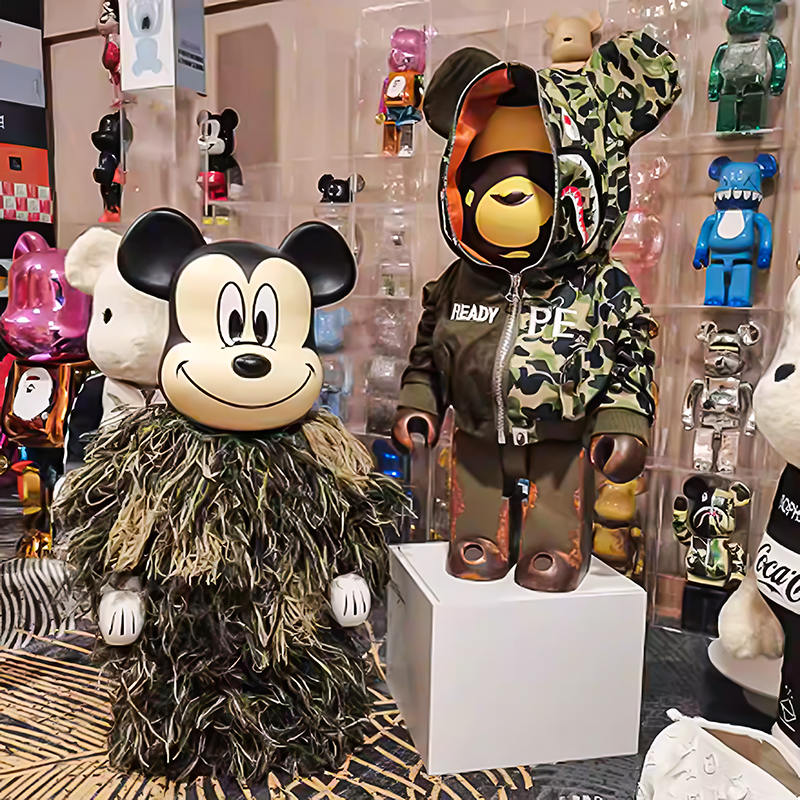
Bearbrick is a well-known building block bear toy produced by the Japanese company MEDICOM. It was officially launched i...
See Details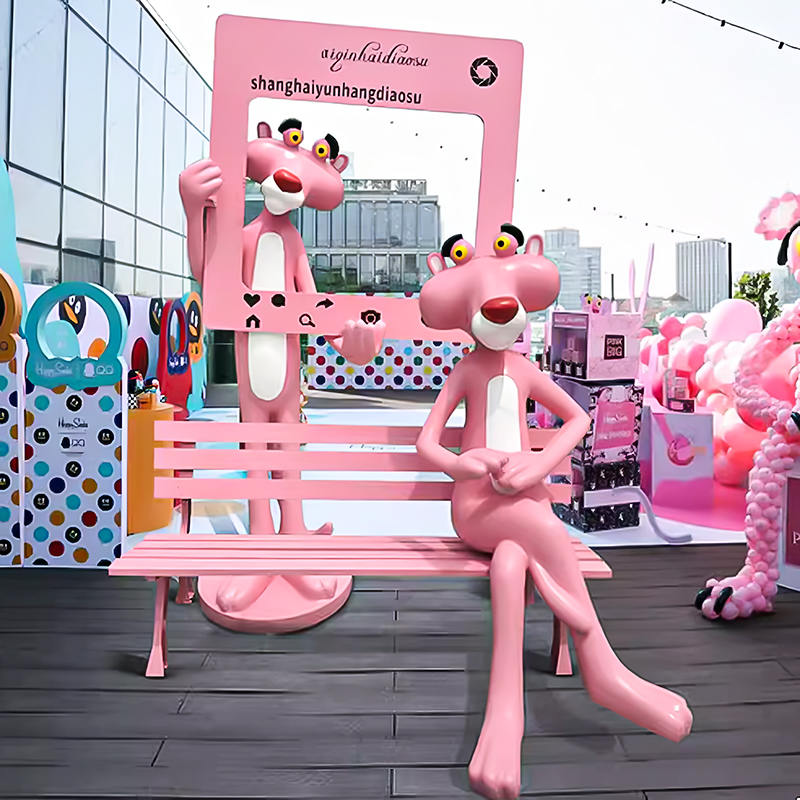
Outdoor Park Fiberglass Cartoon Playful Pink Panther Statue is made of high-quality weather-resistant fiberglass, which ...
See Details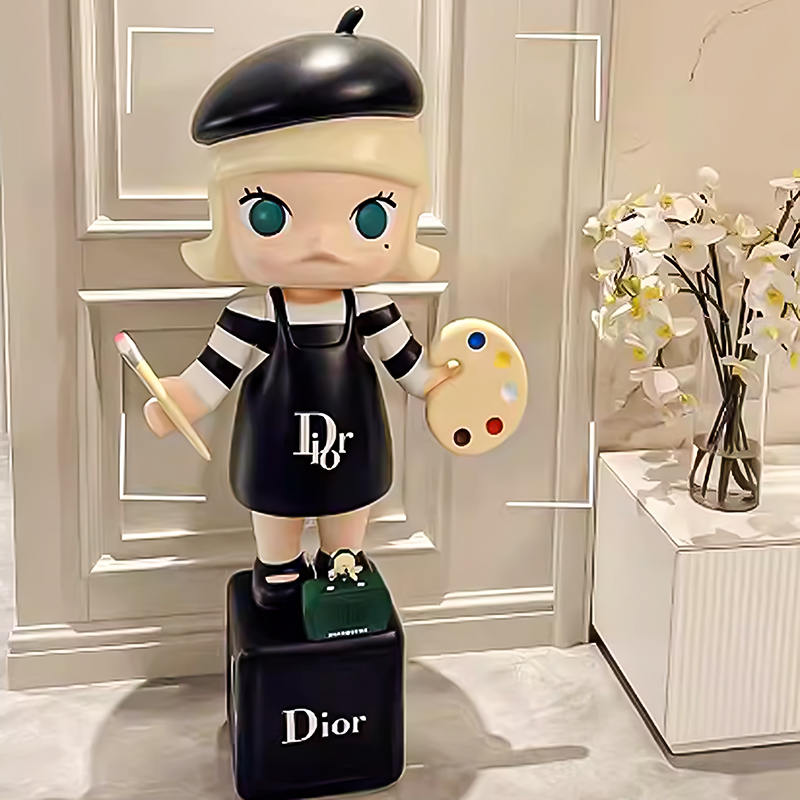
Home Decor Fiberglass Cartoon Pop Mart Sculptures can be placed in any living space, office or collection space. Lightwe...
See Details
Copyright © Jiangsu Chuanggeng Arts & Crafts Co., Ltd. All Rights Reserved.
FRP/Fiberglass/ Resin/Vinyl Art Sculptures Statues Manufacturers
