
 English
 Français
 عربى
عربىKaws, the creator is an American street artist with representative works such as "The Long Way Home". In 2006, he founde...
See Details

Article Directory
Producing Cartoon Figures Sculptures at commercial scale demands far more than artistic accuracy — it requires material engineering, dimensional discipline, and surface chemistry that survive factory runs of thousands, transcontinental shipping, and years of outdoor or retail exposure. Whether you are sourcing licensed character figures, theme park installations, or retail display props, every decision from resin selection to coating system directly determines production cost, colour longevity, and customer satisfaction. This guide answers the four questions that define successful large-scale cartoon sculpture projects.
Material selection for mass-produced cartoon figures sculptures balances four competing demands: detail resolution, structural integrity, production cycle time, and unit cost. No single material wins on all four — the right choice depends on order volume, figure size, and end-use environment.
FRP combines a glass-fibre mat with polyester or vinyl ester resin, producing pieces with a strength-to-weight ratio superior to solid cast alternatives. Wall thickness of 4–6mm achieves structural rigidity for figures up to 3 metres without internal armature. FRP tolerates outdoor UV, temperature cycling from -30°C to +70°C, and impact from incidental contact — making it the dominant material for theme park and retail exterior installations. Per-unit material cost runs 30–40% lower than cast polyurethane at equivalent size.
Polyresin — a blend of polyester resin with calcium carbonate or stone powder filler — captures fine surface detail down to 0.1mm, making it the preferred choice for licensed collectible figures, countertop display pieces, and giftware. Mold cycle times of 45–90 minutes per piece limit throughput versus injection-moulded alternatives, but the material's self-levelling properties eliminate most hand-finishing. Suitable for figures under 400mm in height at commercial volumes of 500–5,000 units.
Rotomoulding LLDPE powder inside a heated biaxial mould produces seamless hollow figures with wall thickness of 3–5mm and no internal stress points. The process suits mid-scale figures (500mm–2000mm) where FRP's hand-lay process is too labour-intensive and injection moulding tooling costs are prohibitive. LLDPE's natural UV stability and chemical resistance reduce coating requirements — a significant long-term maintenance saving for outdoor installations.
For figures under 300mm at volumes above 10,000 units, ABS injection moulding delivers unmatched per-unit consistency and the lowest piece cost in mass production. Steel tooling investment of USD 8,000–25,000 per mould amortises rapidly at high volumes. ABS accepts paint, vacuum metallising, and pad printing — all standard decoration methods for retail cartoon figure lines. Dimensional tolerance of ±0.1mm ensures assembly fit between multi-part figures without hand adjustment.
Shipping cost is determined by whichever is greater — dimensional weight or actual weight. For cartoon figures sculptures, dimensional weight almost always governs, making size and packaging geometry the single biggest lever on landed unit cost.
Figures with a maximum dimension below 400mm pack efficiently into standard export cartons (600 x 400 x 400mm) at 4 units per carton with foam insert. Above 400mm, per-carton unit count drops to 1–2, doubling packaging material cost and increasing per-unit freight cost by 60–120% for equivalent shipping lanes.
Designing figures with hollow interiors — achievable in FRP, rotomoulded LLDPE, and blow-moulded PE — reduces actual weight by 50–70% versus solid cast equivalents at equivalent external dimensions. For a 600mm FRP figure, hollow construction reduces unit weight from approximately 4.2kg to 1.4kg, cutting sea freight cost by roughly USD 1.20 per unit on China-to-Europe lanes at current rates.
Figures above 800mm that cannot be economically hollowed should be designed as knockdown assemblies — body, base, and accessories as separate moulded parts that nest flat inside a single carton. A 1.2-metre standing figure shipped as three interlocking components reduces carton volume by 55% versus shipping fully assembled, and eliminates the special handling surcharges applied to oversize single-carton shipments.
Colour fading in outdoor cartoon sculptures is a photochemical process — ultraviolet radiation breaks polymer chains in both the paint binder and the pigment molecules. A correctly specified coating system intercepts UV before it reaches the pigment layer, extending colour retention from 2–3 years to a decade or more.
| Coating System | UV Protection | Gloss Retention (5yr) | Best Application |
| Standard acrylic enamel | Low | 40–55% | Indoor display only |
| 2K polyurethane + UV absorber | High | 75–85% | Covered outdoor / semi-exposed |
| Fluoropolymer (PVDF) topcoat | Very High | 88–95% | Full outdoor, coastal, tropical |
| Powder coat (polyester-TGIC) | High | 78–88% | Metal-armature figures, outdoor |
| Ceramic-infused clear topcoat | Very High | 90–96% | Premium collectibles, theme parks |
Sand FRP and polyresin substrates to 240-grit before priming. Any surface contamination — release agent residue, fingerprint oil, or moisture — causes adhesion failure within 6–18 months regardless of topcoat quality. Wipe with isopropyl alcohol immediately before priming.
Apply a two-component epoxy primer at 60–80 microns DFT (dry film thickness). Epoxy primers seal the substrate porosity, block moisture ingress, and provide the adhesion bridge between the substrate and colour coats that polyurethane alone cannot achieve on plastic substrates.
Apply colour in two passes at 40–60 microns DFT per pass using inorganic pigments — specifically phthalocyanine blues and greens, quinacridone reds, and titanium white. Organic azo pigments fade 3–5x faster under UV exposure and should be avoided in outdoor colour specifications.
Finish with a 2K polyurethane clear containing a HALS (hindered amine light stabiliser) package at minimum 1.5% by weight. Apply at 80–100 microns DFT. This layer absorbs UV before it reaches the pigment layer — it is the primary fading-prevention mechanism and must be reapplied every 7–10 years for continuous outdoor protection.
Mold consistency is the foundation of brand accuracy in licensed cartoon figure production. A 2mm dimensional drift between early and late production runs — caused by mold wear, temperature variation, or release agent buildup — produces visible fit failures in assembly and colour misregistration that triggers rejection by brand licensors.
Specify P20 tool steel (HRC 28–32) for polyresin and FRP molds targeting runs above 2,000 units. Aluminium molds — adequate for prototype and short runs below 500 units — develop surface pitting and parting-line wear above this volume that transfers directly to part surface quality. H13 steel (HRC 48–52) extends mold life beyond 100,000 cycles for ABS injection applications.
Retain the approved digital master (3D scan or CAD file) at a nominal tolerance of ±0.05mm throughout the product lifecycle. When a production mold requires replacement after high-volume use, fabricate the new mold directly from the archived master — never from a worn production piece. Re-scanning a worn part introduces cumulative dimensional error of 0.3–0.8mm per generation.
Implement a mold inspection protocol at every 500-unit interval: clean parting lines with brass-wire brush (never steel, which scores tool steel surfaces), measure critical dimensions with a CMM or calibrated calipers, and re-polish cavity surfaces to original grit specification. Parting-line flash above 0.3mm is the trigger for immediate mold maintenance — not a cosmetic issue to be hand-trimmed in finishing.
Conduct a dimensional first-article inspection (FAI) against the master drawing at the start of every production run — not just at initial tooling sign-off. In-process checks at 10%, 50%, and 90% completion catch mold temperature drift, release agent buildup, and operator-induced variation before they accumulate into a full-batch rejection event.
Sourcing Cartoon Figures Sculptures from a manufacturer with documented mold maintenance records, archived digital masters, and FAI reports on file eliminates the re-tooling costs and schedule delays that characterise uncontrolled production environments — protecting both brand integrity and the project timeline across multi-year supply relationships.
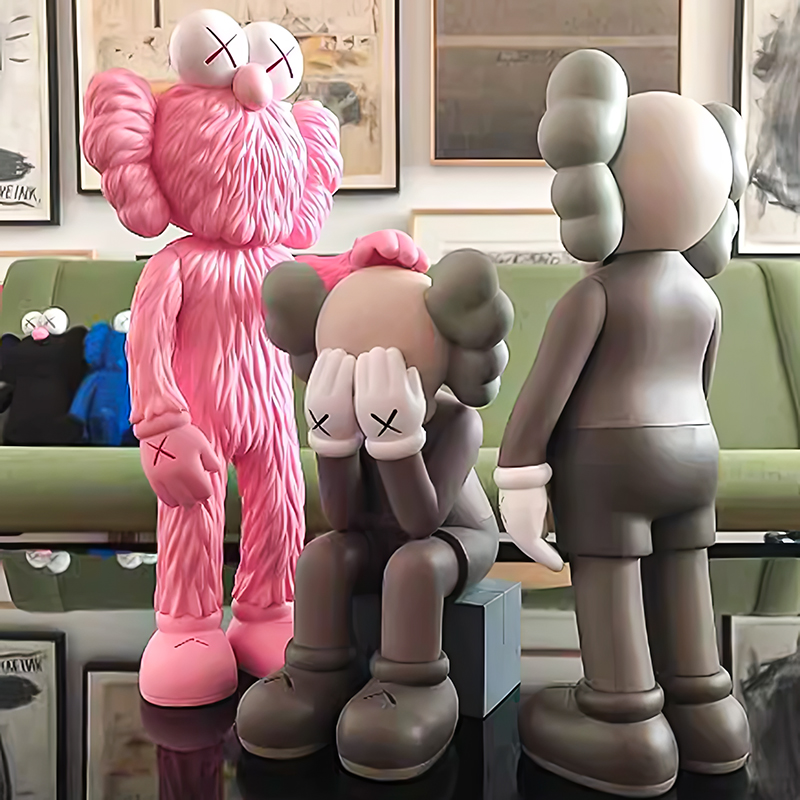
Kaws, the creator is an American street artist with representative works such as "The Long Way Home". In 2006, he founde...
See Details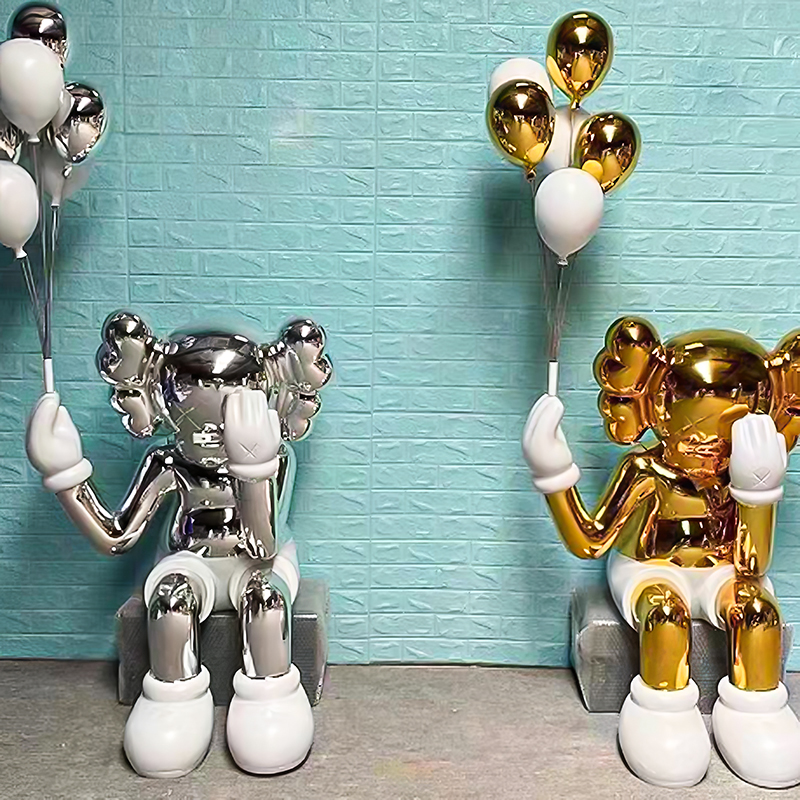
KAWS is a well-known trendy brand in the United States, more notably its dolls, which are very personalized and recogniz...
See Details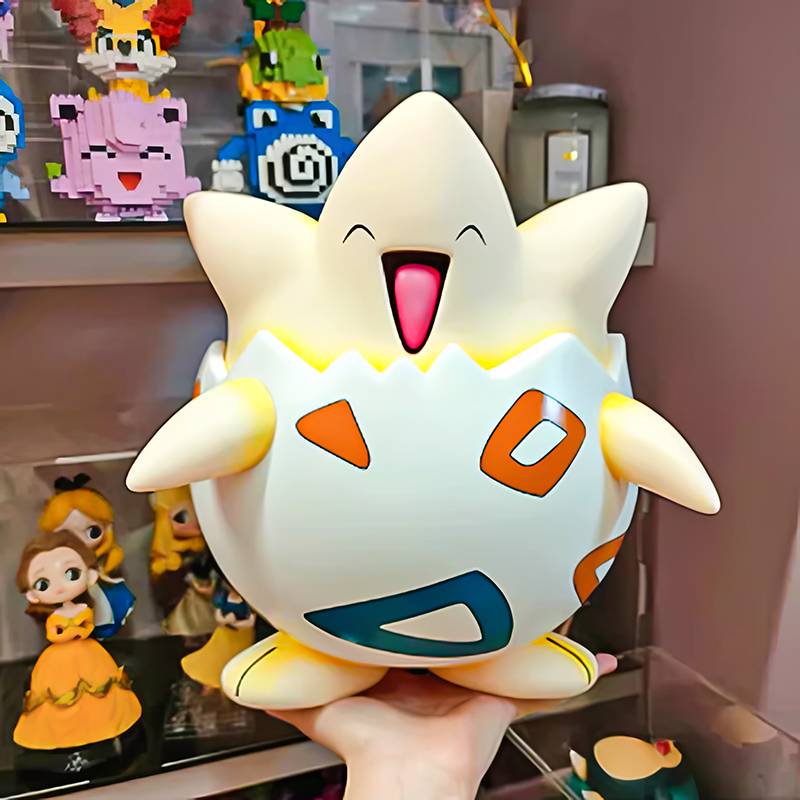
The Pok é Mon series is the selling electronic game series in the world, second only to Nintendo's Super Mario series, a...
See Details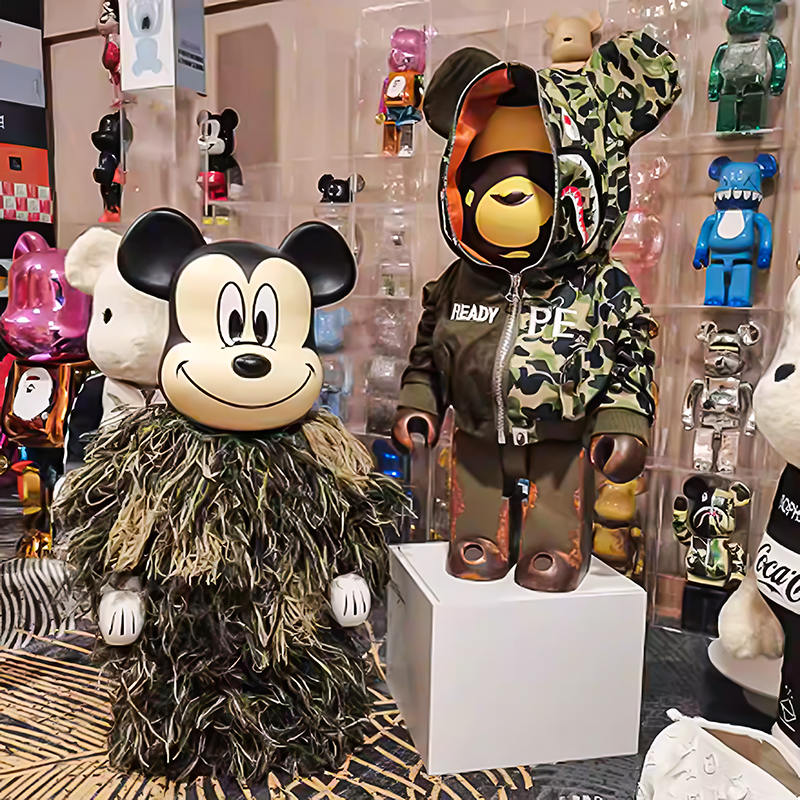
Bearbrick is a well-known building block bear toy produced by the Japanese company MEDICOM. It was officially launched i...
See Details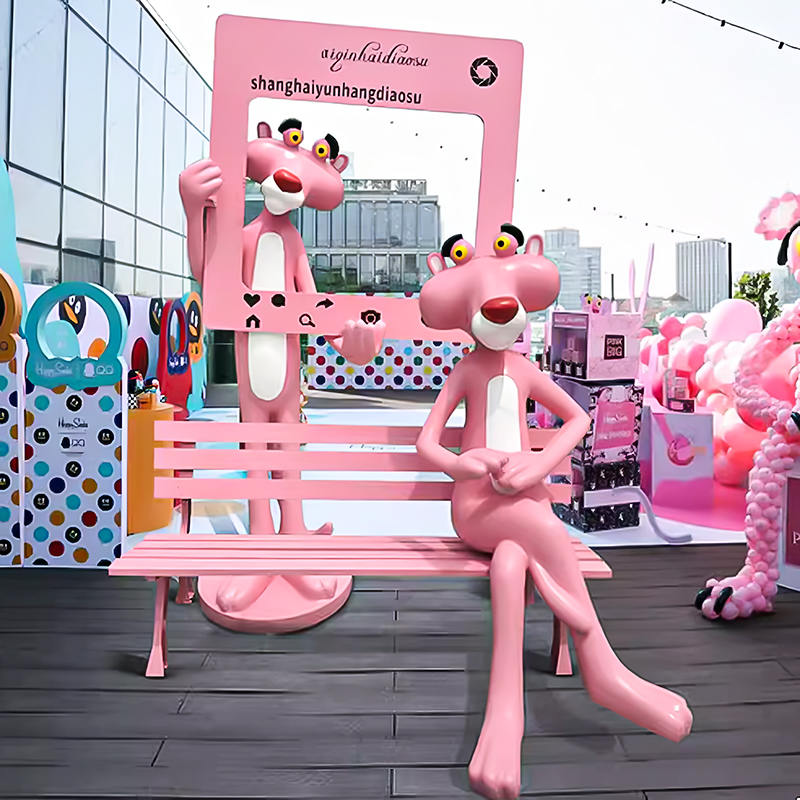
Outdoor Park Fiberglass Cartoon Playful Pink Panther Statue is made of high-quality weather-resistant fiberglass, which ...
See Details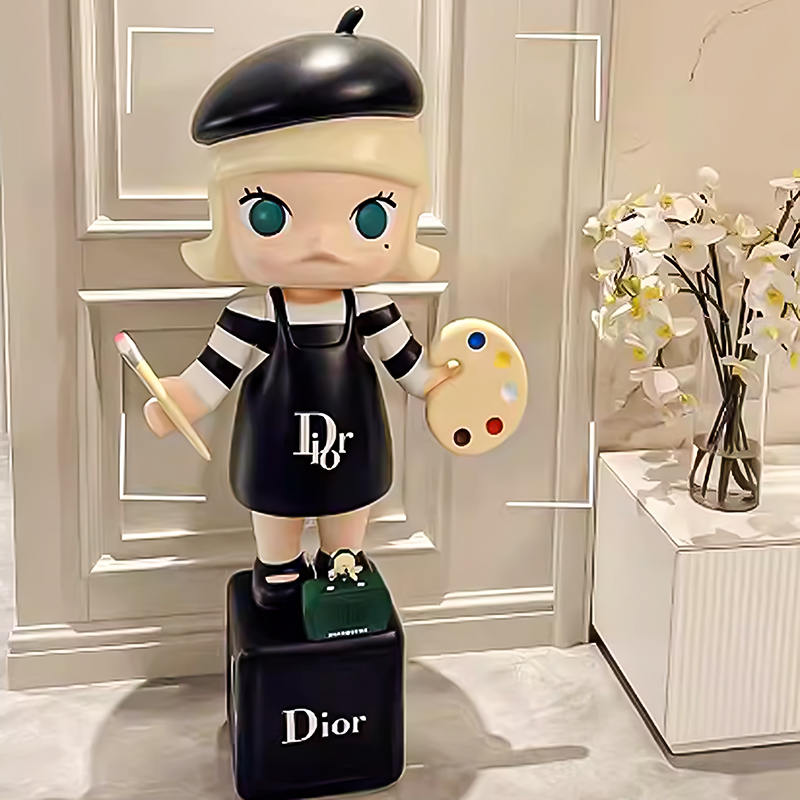
Home Decor Fiberglass Cartoon Pop Mart Sculptures can be placed in any living space, office or collection space. Lightwe...
See Details
Copyright © Jiangsu Chuanggeng Arts & Crafts Co., Ltd. All Rights Reserved.
FRP/Fiberglass/ Resin/Vinyl Art Sculptures Statues Manufacturers
