
 English
 Français
 عربى
عربىKaws, the creator is an American street artist with representative works such as "The Long Way Home". In 2006, he founde...
See Details

Commercial Cartoon Sculptures serve as highly effective, durable tools for experiential marketing, spatial branding, and public engagement. To achieve the ideal balance between intricate structural detail and long-term environmental resistance, fiberglass (FRP) has established itself as the definitive industry standard material, accounting for over 80% of theme park and retail installations due to its exceptional strength-to-weight ratio, ease of molding, and weatherproofing capabilities.
Selecting the correct substrate for character fabrication directly dictates the lifecycle, maintenance intervals, and safety of the final installation. While internal armatures are almost universally constructed from welded galvanized steel piping to withstand wind loads and public interaction, the exterior shell material must be selected based on specific environmental stressors.
For instance, public plazas facing intense solar radiation require high-grade unsaturated polyester resins paired with automotive-grade acrylic polyurethane topcoats to resist UV degradation and color fading. In contrast, indoor exhibition spaces can leverage lighter high-density polystyrene or polyurethane foams coated with polyurea skins for rapid deployment and ease of mobility.
| Material Classification | Tensile Strength / Durability | Optimal Environment | Average Lifespan |
|---|---|---|---|
| Fiberglass Reinforced Plastic (FRP) | High (Resistant to impact, moisture, and mild acids) | Outdoor Theme Parks, Public Squares | 8 to 12 Years |
| High-Density Polyurethane Foam | Moderate (Requires protective polyurea elastomeric skin) | Indoor Retail, Temporary Exhibits | 3 to 5 Years (Indoors) |
| Cast Stainless Steel / Bronze | Extreme (Immune to most physical vandalism) | Permanent Municipal Parks, Luxury Playgrounds | 50+ Years |
The transformation of a two-dimensional animated character into a structurally sound, scale-accurate physical monument follows a rigorous multi-stage engineering timeline:
When commissioning three-dimensional character displays for commercial properties, procurement teams should evaluate suppliers against a strict matrix of manufacturing safety standards. Fire retardancy is paramount for indoor installations; specifying a Class A fire rating ensures the resin compound self-extinguishes within a critical window if exposed to open flames.
Furthermore, weight distribution must be closely verified. A standard two-meter-tall fiberglass sculpture can weigh anywhere from 45 to 85 kilograms depending on laminate thickness. Ensuring the internal base plate contains pre-drilled M16 sleeve anchor pathways prevents dangerous tipping hazards in high-traffic retail malls or children's amusement zones.
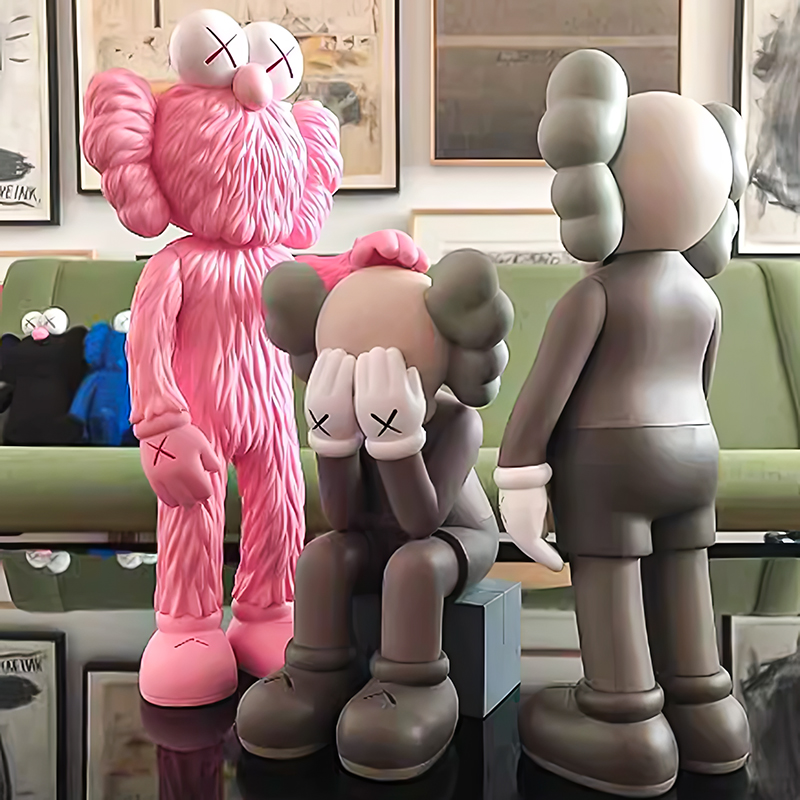
Kaws, the creator is an American street artist with representative works such as "The Long Way Home". In 2006, he founde...
See Details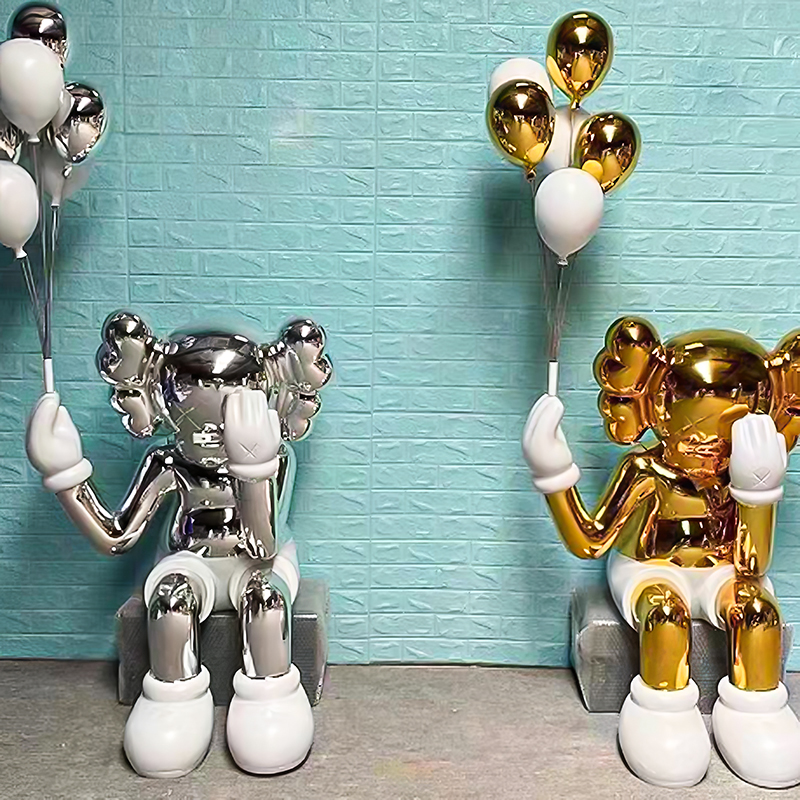
KAWS is a well-known trendy brand in the United States, more notably its dolls, which are very personalized and recogniz...
See Details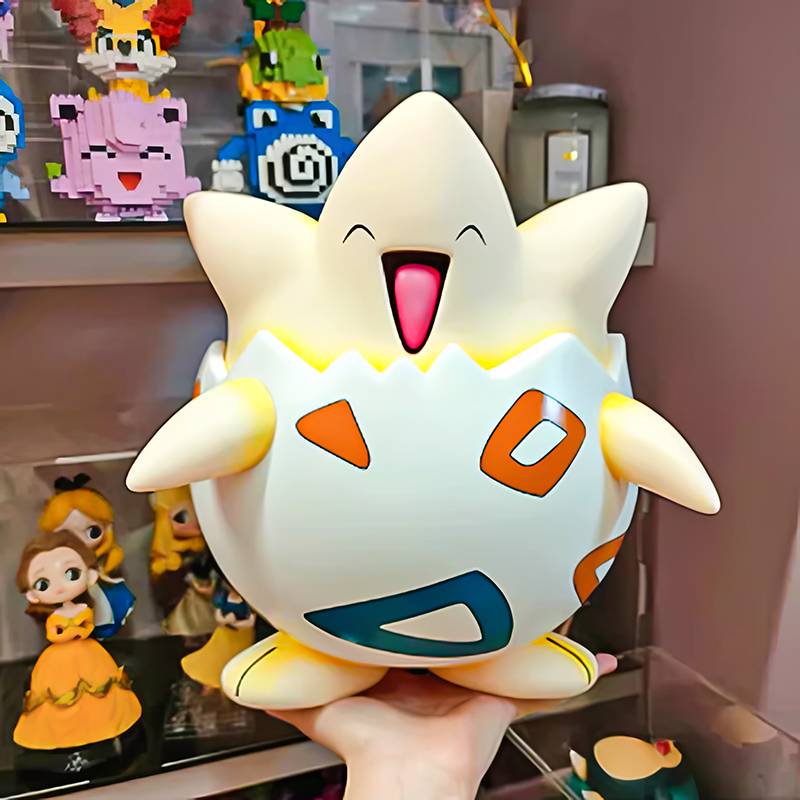
The Pok é Mon series is the selling electronic game series in the world, second only to Nintendo's Super Mario series, a...
See Details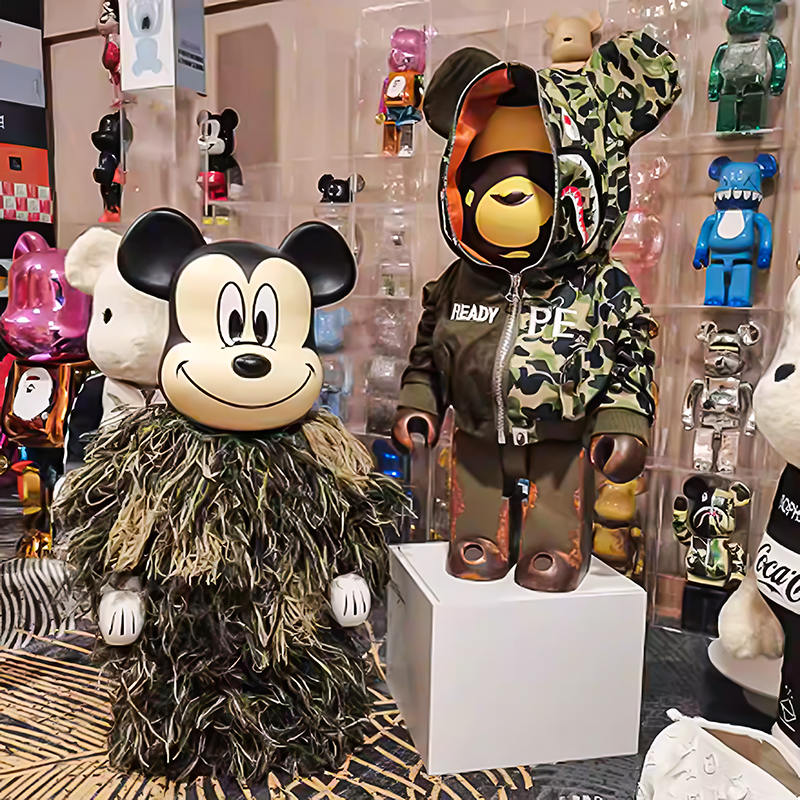
Bearbrick is a well-known building block bear toy produced by the Japanese company MEDICOM. It was officially launched i...
See Details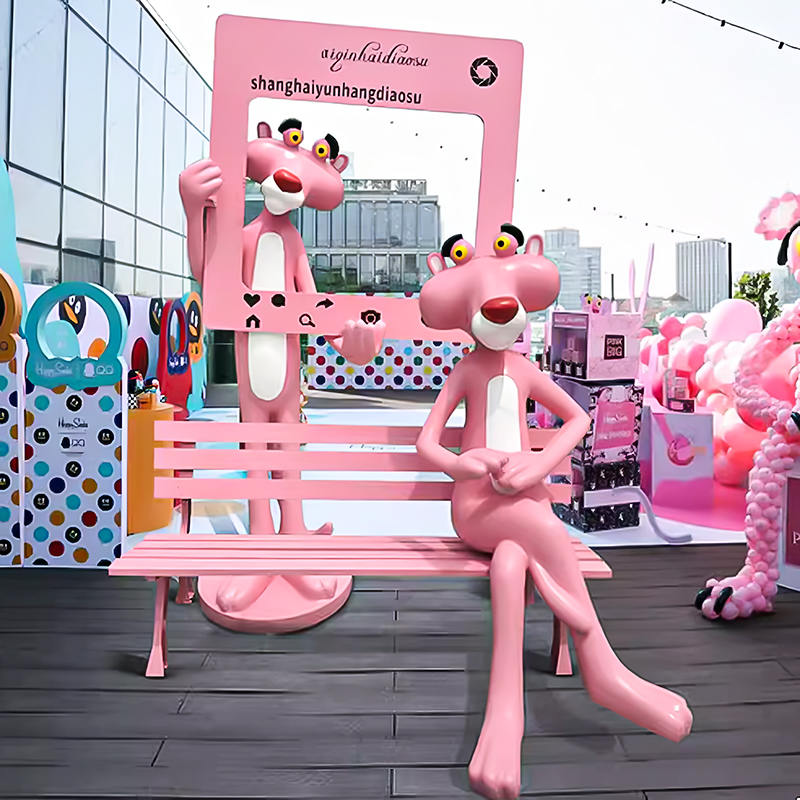
Outdoor Park Fiberglass Cartoon Playful Pink Panther Statue is made of high-quality weather-resistant fiberglass, which ...
See Details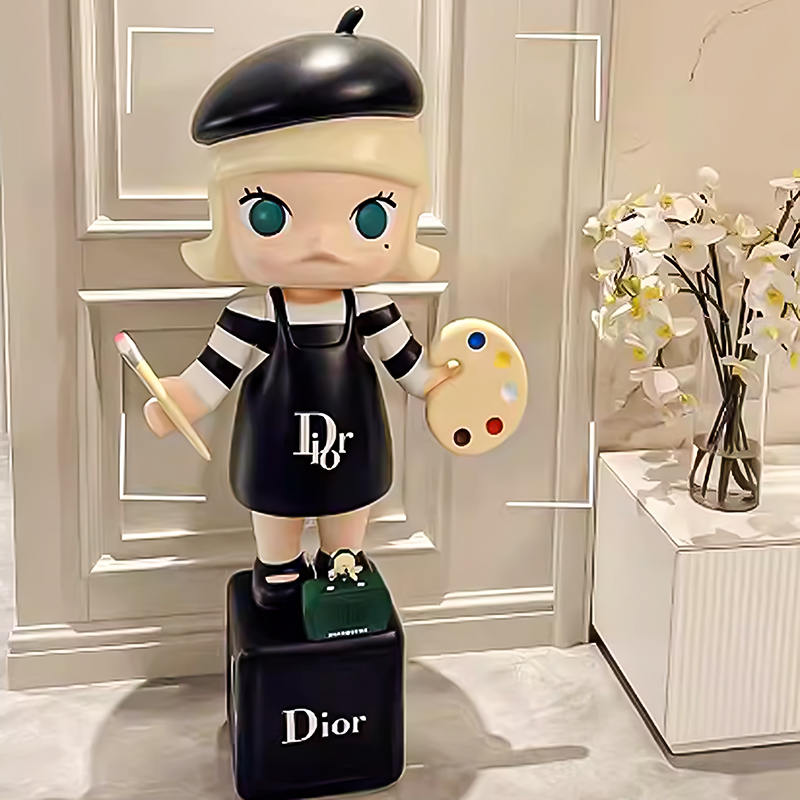
Home Decor Fiberglass Cartoon Pop Mart Sculptures can be placed in any living space, office or collection space. Lightwe...
See Details
Copyright © Jiangsu Chuanggeng Arts & Crafts Co., Ltd. All Rights Reserved.
FRP/Fiberglass/ Resin/Vinyl Art Sculptures Statues Manufacturers
