
 English
 Français
 عربى
عربىKaws, the creator is an American street artist with representative works such as "The Long Way Home". In 2006, he founde...
See Details

Article Directory
Cartoon sculptures are the physical manifestation of stylized 2D characters, serving as high-impact 3D branding tools that bridge the gap between digital imagination and physical reality. The most effective versions are constructed from Fiberglass Reinforced Plastic (FRP) due to its exceptional strength-to-weight ratio and ability to capture intricate, expressive details. When deployed in commercial spaces, these sculptures act as "social magnets," often increasing organic social media mentions and foot traffic by 20% to 35% compared to traditional 2D signage.
The industry standard for professional cartoon sculptures is Fiberglass Reinforced Plastic (FRP), often referred to simply as fiberglass. This material is chosen for its durability and versatility. Unlike traditional clay or wood, FRP can withstand extreme weather conditions, making it suitable for both indoor malls and outdoor theme parks.
A typical high-quality sculpture consists of a multi-layer composition. For figures over 1.5 meters in height, an internal galvanized steel frame is mandatory to provide structural support and prevent toppling. The outer "shell" usually maintains a thickness of 3mm to 5mm, ensuring the piece is rigid enough to resist impact but light enough for cost-effective shipping.
| Material Type | Key Characteristics | Best Use Case |
| FRP (Fiberglass) | Weatherproof, lightweight, high detail | Outdoor landmarks, theme parks, permanent retail decor |
| Polyresin | Heavier than FRP, very fine detail | Small indoor collectibles or desktop figurines |
| EPS Foam (Coated) | Extremely light, fast production | Temporary exhibitions or stage props |
| Stainless Steel | Industrial look, permanent, expensive | Luxury urban art or modern architectural accents |
Transforming a 2D sketch into a physical 3D sculpture is a precise engineering feat that involves several technical stages to ensure the final product matches the original intellectual property (IP).
In an era of "Instagrammable" moments, cartoon sculptures provide a tangible return on investment for businesses. They serve as landmarks that help customers navigate and remember a location.
For example, a retail shopping center in Shanghai reported a 28% increase in weekend visitors after installing a series of 2-meter-tall mascot sculptures. These installations create "photo-op" zones where customers voluntarily promote the brand on social media platforms. Unlike digital ads, a physical sculpture is a one-time capital expenditure with a lifespan of 5 to 10 years, making the long-term cost-per-impression significantly lower than traditional media.
To ensure a cartoon sculpture maintains its "factory-new" appearance, certain maintenance protocols are necessary. While FRP is incredibly resilient, environmental factors like acid rain or high-salinity coastal air can dull the finish over time.
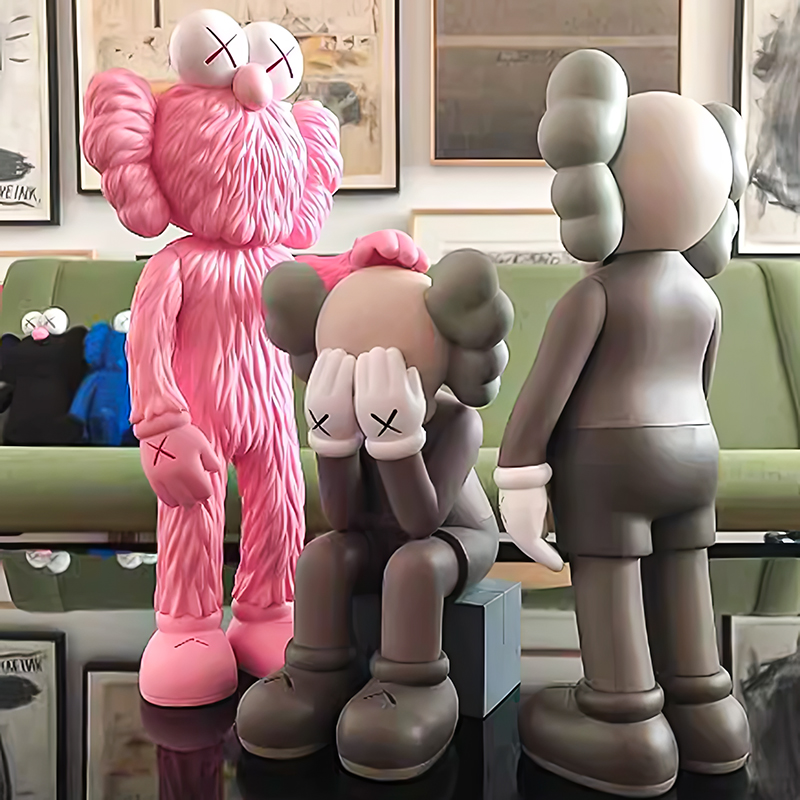
Kaws, the creator is an American street artist with representative works such as "The Long Way Home". In 2006, he founde...
See Details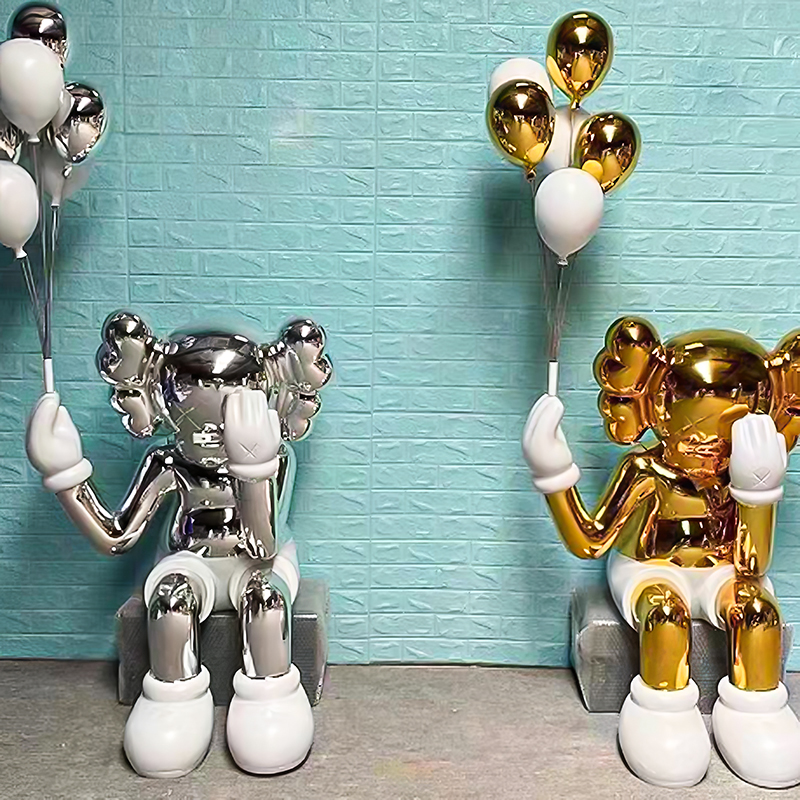
KAWS is a well-known trendy brand in the United States, more notably its dolls, which are very personalized and recogniz...
See Details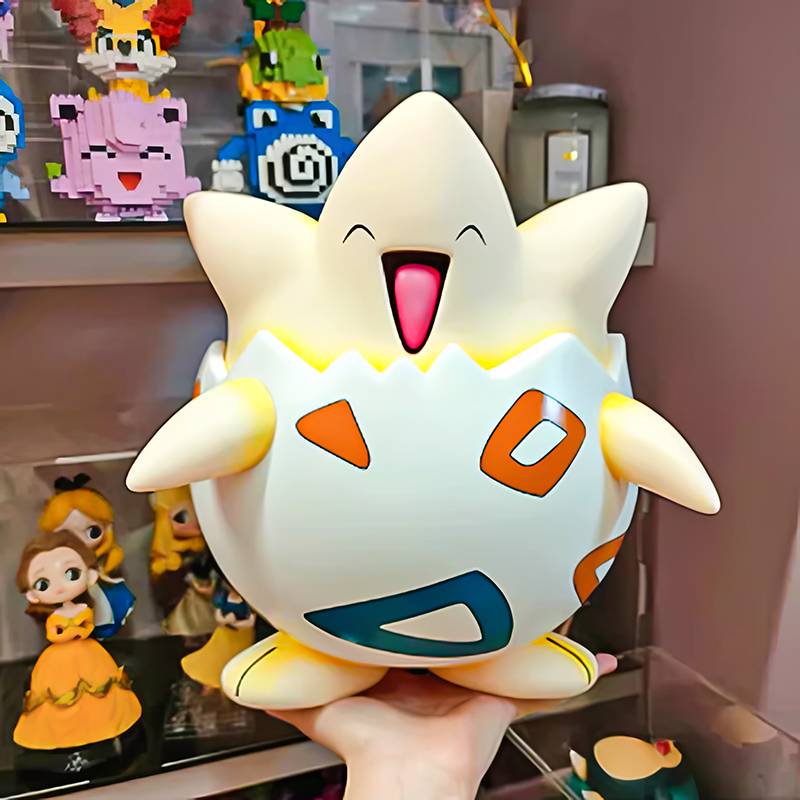
The Pok é Mon series is the selling electronic game series in the world, second only to Nintendo's Super Mario series, a...
See Details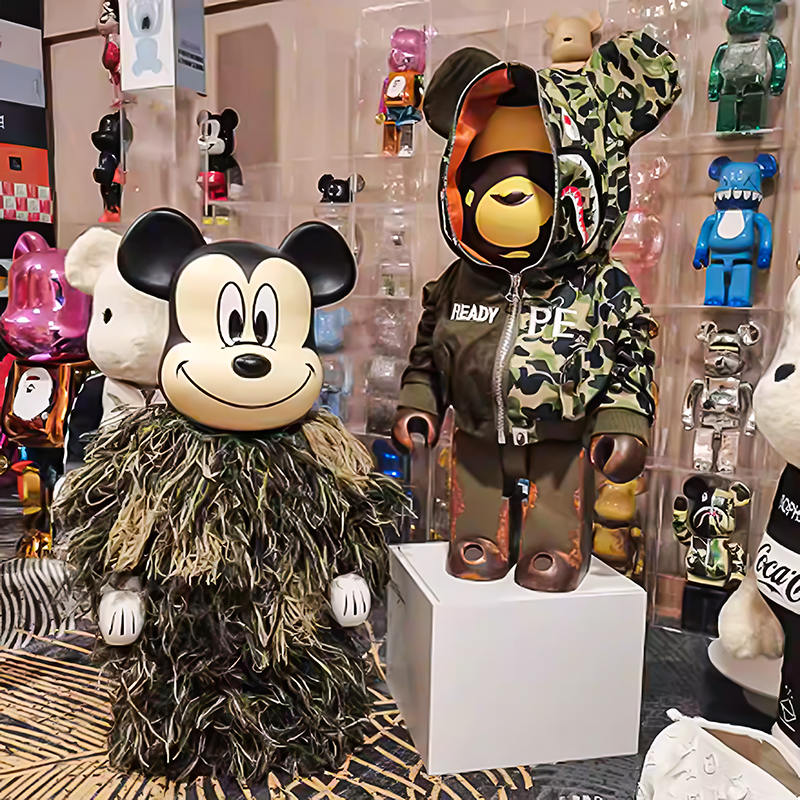
Bearbrick is a well-known building block bear toy produced by the Japanese company MEDICOM. It was officially launched i...
See Details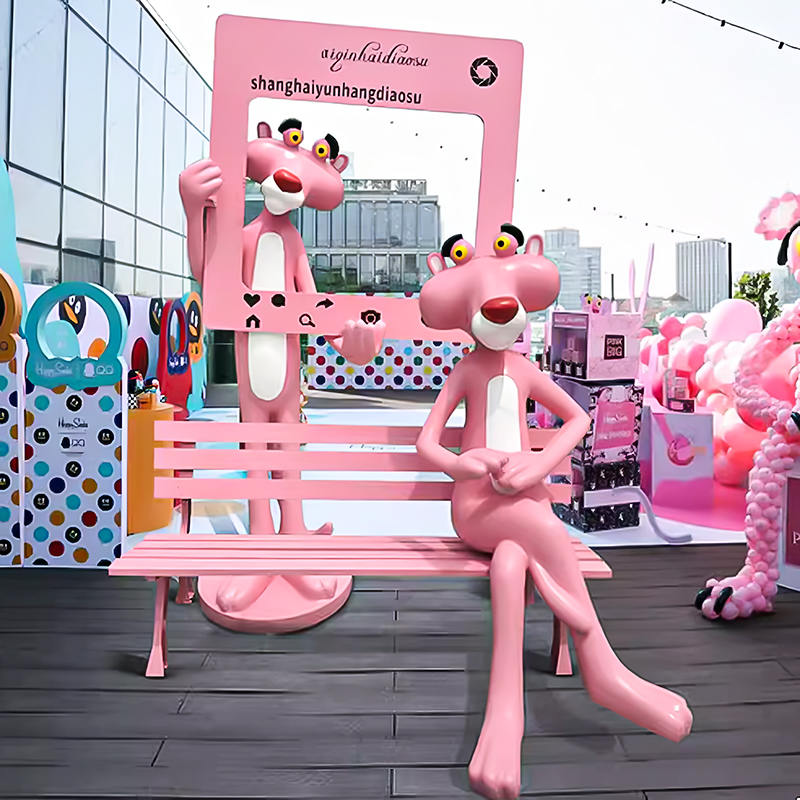
Outdoor Park Fiberglass Cartoon Playful Pink Panther Statue is made of high-quality weather-resistant fiberglass, which ...
See Details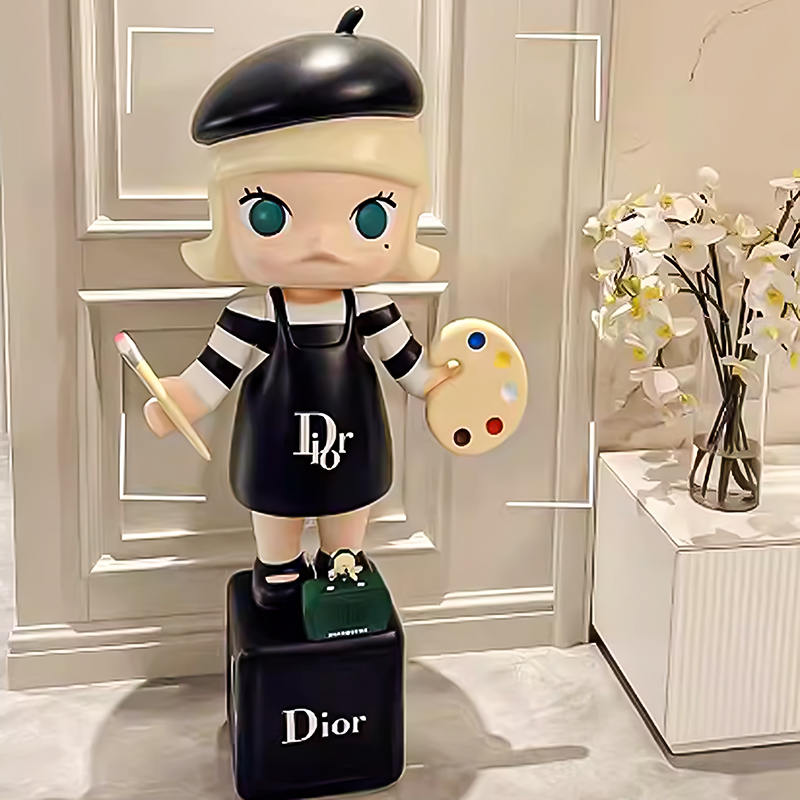
Home Decor Fiberglass Cartoon Pop Mart Sculptures can be placed in any living space, office or collection space. Lightwe...
See Details
Copyright © Jiangsu Chuanggeng Arts & Crafts Co., Ltd. All Rights Reserved.
FRP/Fiberglass/ Resin/Vinyl Art Sculptures Statues Manufacturers
