
 English
 Français
 عربى
عربىKaws, the creator is an American street artist with representative works such as "The Long Way Home". In 2006, he founde...
See Details

Article Directory
In the field of architectural landscape and interior decoration, selecting the appropriate composite medium is essential for achieving the desired aesthetic and structural longevity. A frequent point of technical inquiry is the distinction between cold cast bronze and standard resin sculptures statues. While both utilize a polymer base, the integration of metallic powders or stone fillers significantly alters the tensile strength, thermal conductivity, and environmental resistance of the final product.
Jiangsu Chuanggeng Crafts Co., Ltd., located on the north bank of the Yangtze River in Taizhou, is an enterprise integrating design, production, and installation. Specializing in models and landscape sculptures, the company utilizes materials ranging from stainless steel and stone to advanced polyurea (SPUA) and fiberglass reinforced plastic vs resin statues comparisons. With a team of senior sculptors and designers from well-known art schools, Jiangsu Chuanggeng delivers high-standard products with artistic effects imitating metal, wood, and rock, primarily serving municipal, commercial, and film/television sectors.
Cold cast bronze, often referred to as "bonded bronze," is a specialized subset of resin sculptures statues. The resin sculpture casting process steps for this medium involve mixing a high concentration of atomized bronze powder (typically 80 percent to 90 percent by weight) with a liquid polyester, epoxy, or polyurethane resin. This creates a "metal skin" that can be polished and patinated. In contrast, standard resin sculptures utilize pigments or paint for surface color without the internal metallic matrix.
When assessing structural integrity for large-scale projects, engineers often evaluate fiberglass reinforced plastic vs resin statues. Fiberglass (FRP) incorporates glass fiber mats or strands into the resin, providing a significantly higher strength-to-weight ratio. Standard resin without reinforcement is more prone to brittle fracture under mechanical stress. However, the impact resistance of stone filled resin—where marble or limestone dust is added—can provide a tactile "heaviness" and compressive strength that mimics natural rock.
Accurate resin sculpture weight and density calculation is vital for safe installation on pedestals or building facades. Standard unfilled resin has a density of approximately 1.1 to 1.2 g/cm3, whereas stone-filled or bronze-filled resins can reach 2.5 to 3.5 g/cm3. This increased density provides the impact resistance of stone filled resin necessary for public spaces where physical contact is frequent.
| Property | Standard Resin (Unfilled) | Cold Cast Bronze (Filled) |
| Appearance | Painted/Pigmented Surface | Metallic Luster/Genuine Patina |
| Specific Gravity | 1.1 - 1.25 | 2.8 - 4.5 (Depending on load) |
| Surface Hardness | Shore D 70-80 | Shore D 85-95 |
| Thermal Conductivity | Low (Insulating) | Moderate (Cool to touch) |
The resin sculpture casting process steps begin with a silicone rubber mold derived from a master clay model. For cold cast bronze, the "face coat" containing the metal powder is applied first to ensure the metallic particles settle on the outer surface. Once cured, the backing is reinforced. The final stage involves the best paint for resin sculptures and statues or chemical patinas to achieve an aged metal effect, a specialty at Jiangsu Chuanggeng where "excellence and innovation" are the production tenets.
For municipal and garden landscapes, the weather resistance of polyurea coated resin is a game-changer. Polyurea (SPUA) provides a seamless, waterproof barrier that protects the internal resin from moisture ingress. Furthermore, specifying a UV stable resin for outdoor sculptures is non-negotiable for 2026 standards, as it prevents yellowing and polymer degradation (chalking) under direct solar radiation at temperatures exceeding 50 degrees Celsius.
Maintenance requirements differ based on the material's chemical composition. Knowing how to clean cold cast bronze statues involves using a soft cloth and non-acidic, pH-neutral cleaners to avoid stripping the patina. Unlike hot cast bronze, cold cast versions should not be treated with harsh industrial solvents, as these can dissolve the resin binder. Jiangsu Chuanggeng provides detailed custom landscape sculpture design requirements and maintenance manuals to ensure the "economically durable" nature of their high-specification installations.
Is cold cast bronze as durable as hot cast bronze?
While hot cast bronze (molten metal) is more durable for centuries of outdoor exposure, cold cast bronze is highly durable for decades at a significantly lower product cost and shorter production cycle.
Can resin sculptures statues withstand freezing temperatures?
Yes, provided they are made from high-grade resins with low thermal expansion coefficients and are protected with UV stable resin for outdoor sculptures to prevent micro-cracking during freeze-thaw cycles.
What is the typical lead time for a custom large-scale resin statue?
For medium to large projects, the production cycle at Jiangsu Chuanggeng typically ranges from 15 to 45 days, depending on the complexity of the mold and finishing requirements.
How can I tell the difference between hot and cold cast bronze?
Hot cast bronze is much heavier and sounds like a bell when struck. Cold cast bronze feels warmer to the touch and has a duller sound when tapped.
Are resin statues eco-friendly?
Modern resin sculptures statues can be made from bio-based resins, and the "cold" casting process uses significantly less energy than a foundry-based hot cast process.
1. ASTM D790: Standard Test Methods for Flexural Properties of Unreinforced and Reinforced Plastics and Electrical Insulating Materials.
2. ISO 4892-2: Plastics — Methods of exposure to laboratory light sources — Part 2: Xenon-arc lamps.
3. BSI EN 12844: Founding — Pressure die casting — Magnesium alloy castings.
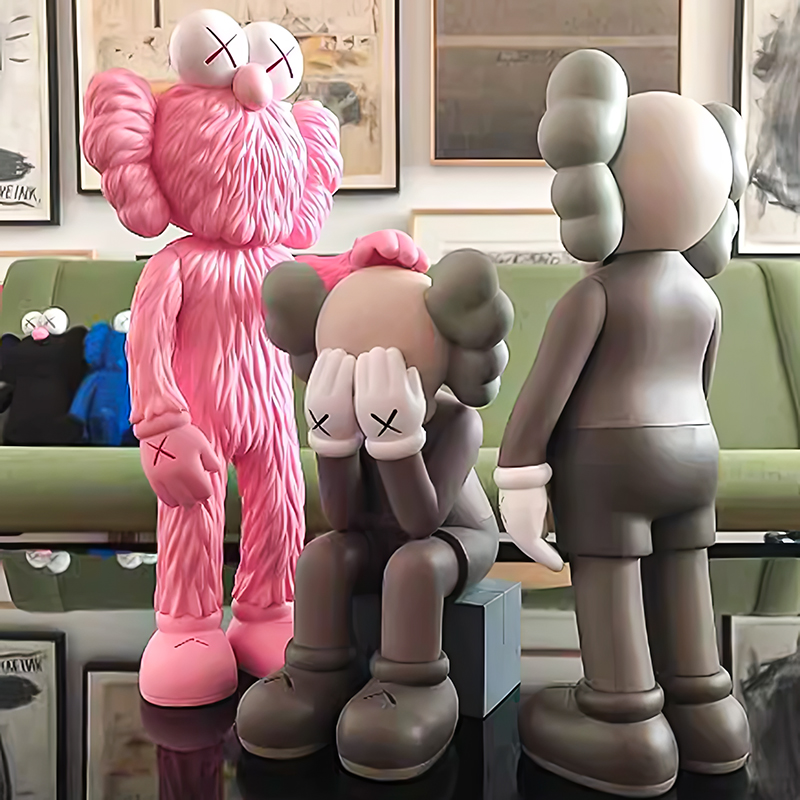
Kaws, the creator is an American street artist with representative works such as "The Long Way Home". In 2006, he founde...
See Details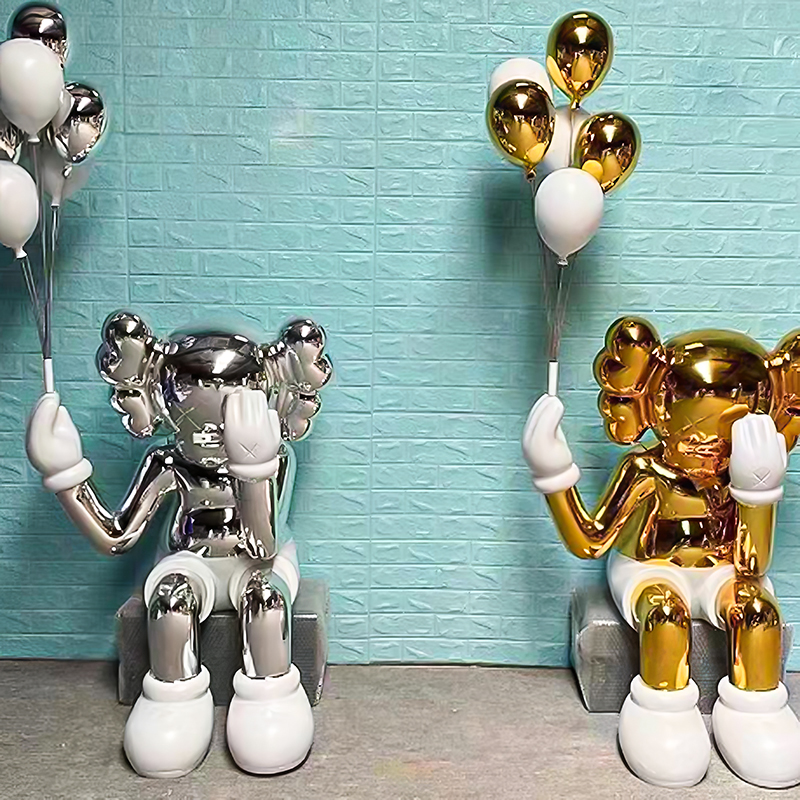
KAWS is a well-known trendy brand in the United States, more notably its dolls, which are very personalized and recogniz...
See Details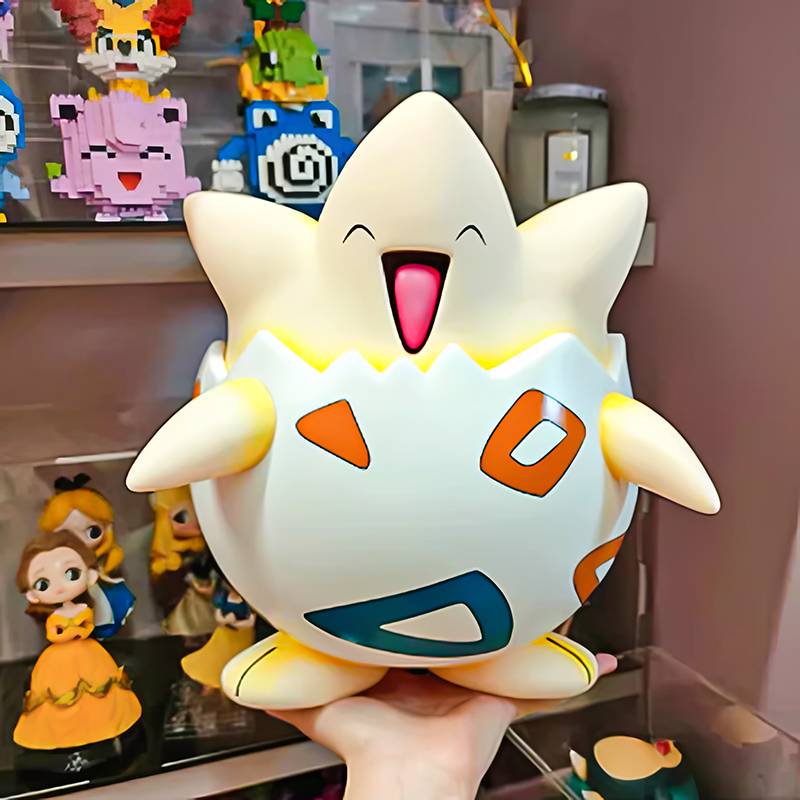
The Pok é Mon series is the selling electronic game series in the world, second only to Nintendo's Super Mario series, a...
See Details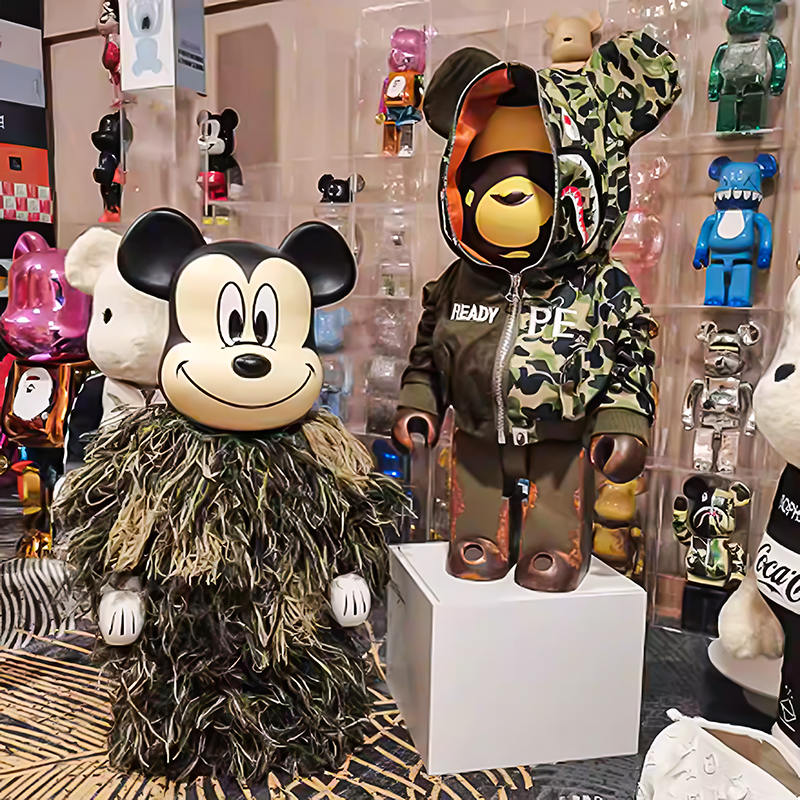
Bearbrick is a well-known building block bear toy produced by the Japanese company MEDICOM. It was officially launched i...
See Details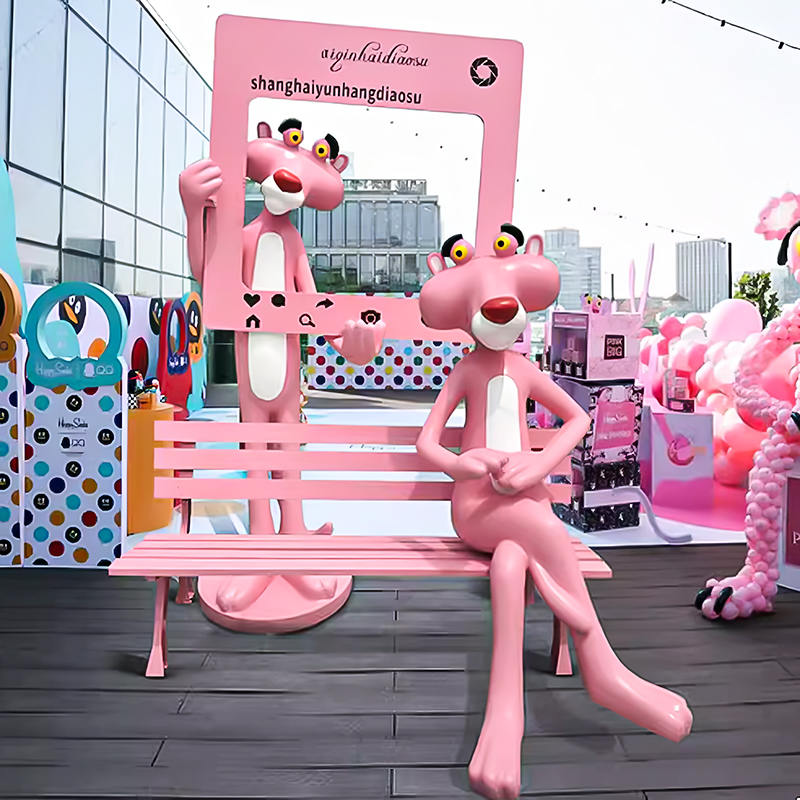
Outdoor Park Fiberglass Cartoon Playful Pink Panther Statue is made of high-quality weather-resistant fiberglass, which ...
See Details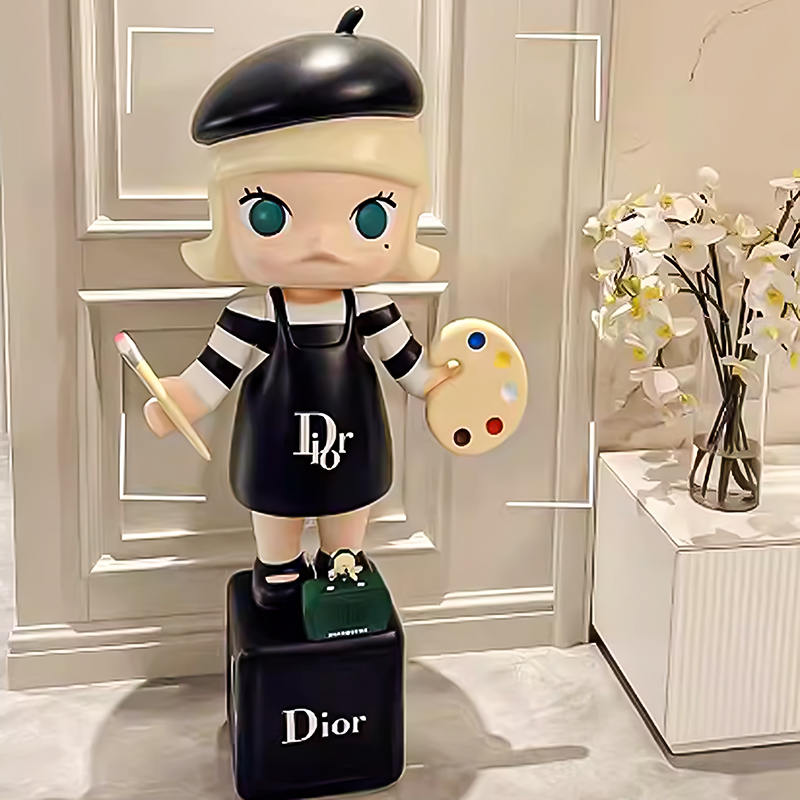
Home Decor Fiberglass Cartoon Pop Mart Sculptures can be placed in any living space, office or collection space. Lightwe...
See Details
Copyright © Jiangsu Chuanggeng Arts & Crafts Co., Ltd. All Rights Reserved.
FRP/Fiberglass/ Resin/Vinyl Art Sculptures Statues Manufacturers
