
 English
 Français
 عربى
عربىKaws, the creator is an American street artist with representative works such as "The Long Way Home". In 2006, he founde...
See Details

Article Directory
When a theme park, retail brand, or public art project needs a standout character display, the material choice comes down to two proven options: fiberglass and metal. A fiberglass cartoon character sculpture delivers vivid color, intricate detail, and a lighter footprint, while metal sculpture brings industrial strength built for decades of outdoor exposure. Knowing how the two differ in composition, weight, cost, and finish makes it far easier to match the right material to the right space.
Fiberglass cartoon statues start as a hand-sculpted or digitally modeled prototype, which is then used to cast a mold. Layers of fiberglass cloth and resin are built up inside the mold, cured, demolded, and hand-finished before painting. The process favors soft curves, oversized eyes, and rounded cartoon proportions that would be difficult to achieve any other way. Metal sculptures follow a different path entirely: sheet or plate stock is cut, formed, and welded into a supporting frame, then ground and polished into its final shape. Because welding seams and structural joints are visible up close, metal favors simpler, more geometric silhouettes over the exaggerated curves typical of cartoon mascots.
Weight is often the deciding factor once a project reaches the installation stage. A fiberglass shell is hollow and dramatically lighter than a solid or framed metal piece of the same size, which cuts crane time, simplifies rooftop or indoor placement, and reduces shipping costs on multi-unit orders for chain stores or parks. Metal sculptures, by contrast, need a footing or anchor system engineered for their mass, which suits permanent landmark pieces but adds cost and lead time to smaller commercial installs.
On weather resistance, both materials perform well when properly treated. Fiberglass resists moisture and will not corrode, but its painted surface needs a UV-stable topcoat to prevent fading in direct sun. Metal offers higher raw mechanical strength and impact resistance, though ferrous metals require rust-proofing and stainless or aluminum options carry a higher material cost.
| Feature | Fiberglass Cartoon Sculpture | Metal Sculpture |
| Weight | Lightweight, hollow shell | Heavy, solid or framed |
| Shape design | Highly flexible, cartoon curves | More fabrication-limited |
| Detail expression | Excellent for faces and color | Better for structural forms |
| Installation | Fast, minimal equipment | Requires engineered anchoring |
| Weather resistance | Good with coating maintenance | Excellent with rust treatment |
| Typical cost | Generally more economical | Usually higher |
| Best fit | Theme parks, malls, mascots | Landmarks, public art, architecture |
Fiberglass cartoon character sculptures dominate anywhere color, expression, and repeat production matter: theme park pathways, mall atriums, children's play areas, and mascot displays outside retail storefronts. Because molds can be reused, a chain brand can order matching statues for dozens of locations at a consistent quality and price. Metal sculpture takes over where scale, permanence, and abstract form are the priority — city plazas, corporate campus entrances, and architectural accent pieces that need to withstand decades of public contact with minimal upkeep.
For most branded, themed, or character-driven projects, a fiberglass cartoon character sculpture is the more practical choice: it costs less, ships lighter, installs faster, and reproduces detailed expressions that metal fabrication struggles to match. Metal earns its place when a project calls for a permanent civic landmark, an abstract architectural statement, or a piece expected to stand with minimal maintenance for generations. Budget, timeline, design complexity, and long-term maintenance capacity are the four questions that should settle the decision before any mold is cut or any sheet is welded.
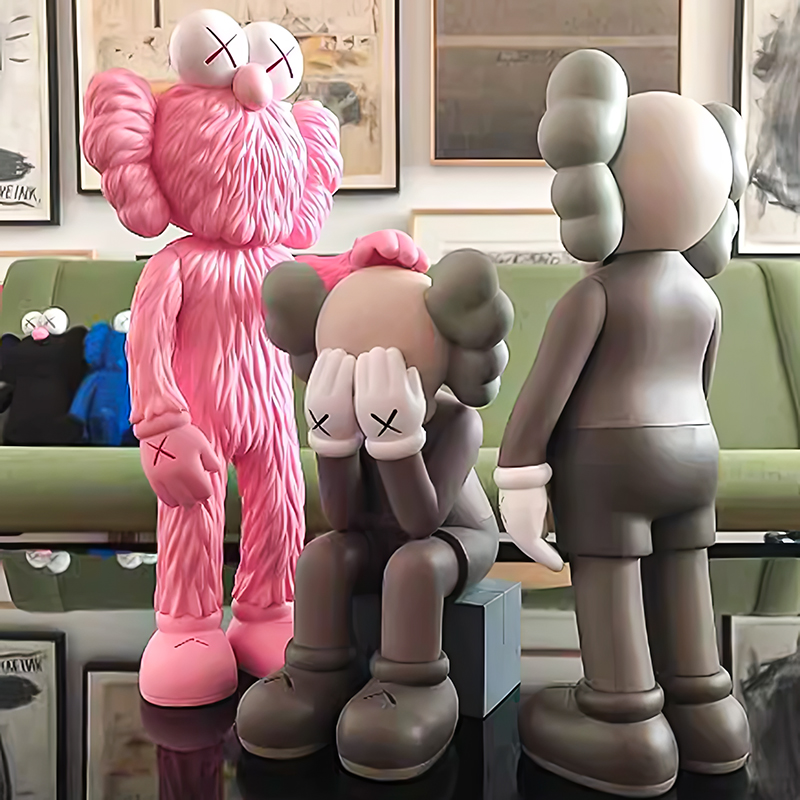
Kaws, the creator is an American street artist with representative works such as "The Long Way Home". In 2006, he founde...
See Details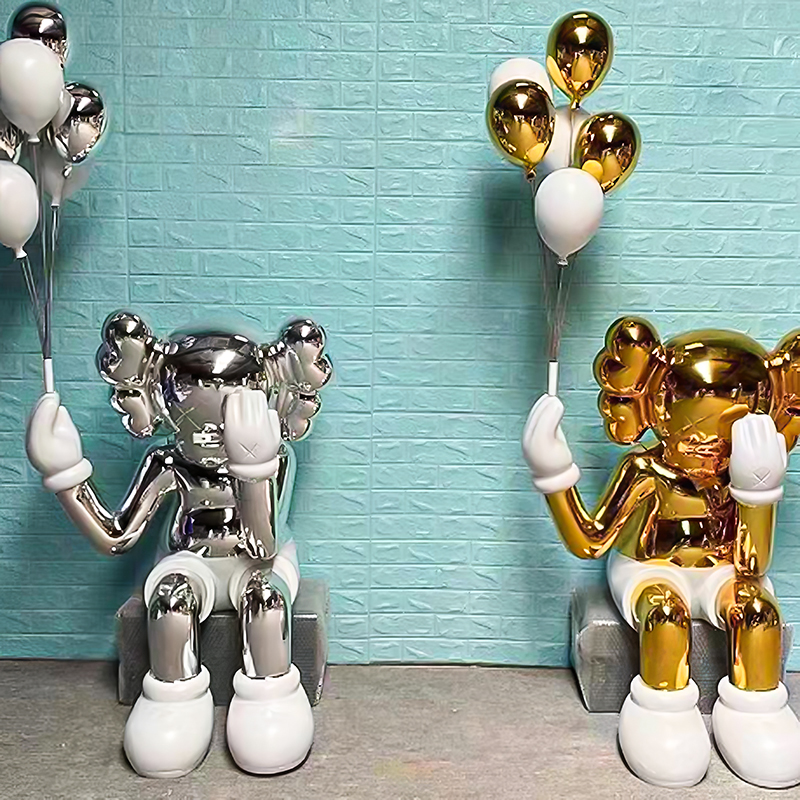
KAWS is a well-known trendy brand in the United States, more notably its dolls, which are very personalized and recogniz...
See Details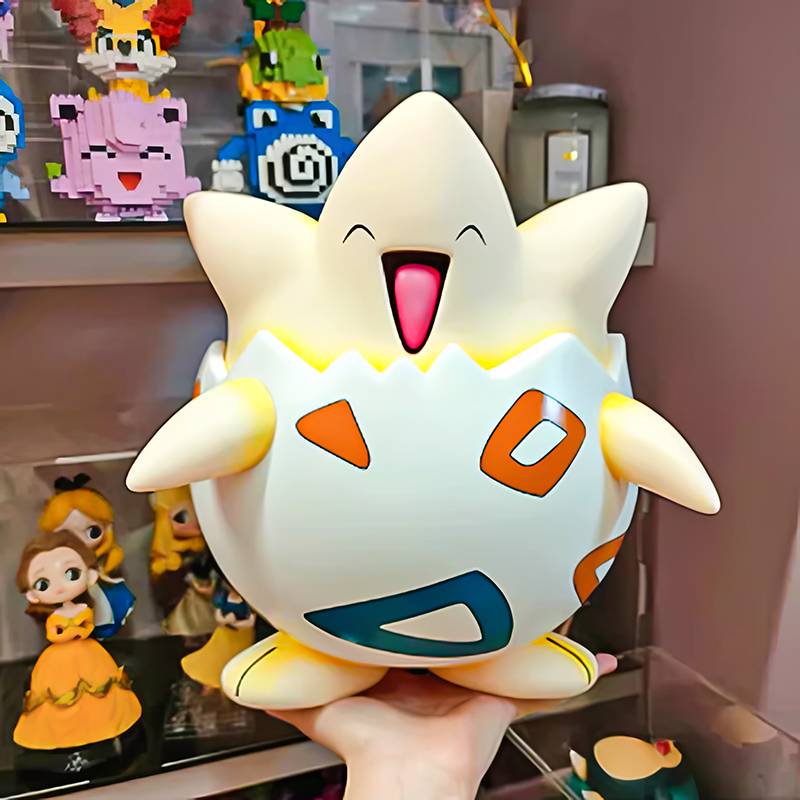
The Pok é Mon series is the selling electronic game series in the world, second only to Nintendo's Super Mario series, a...
See Details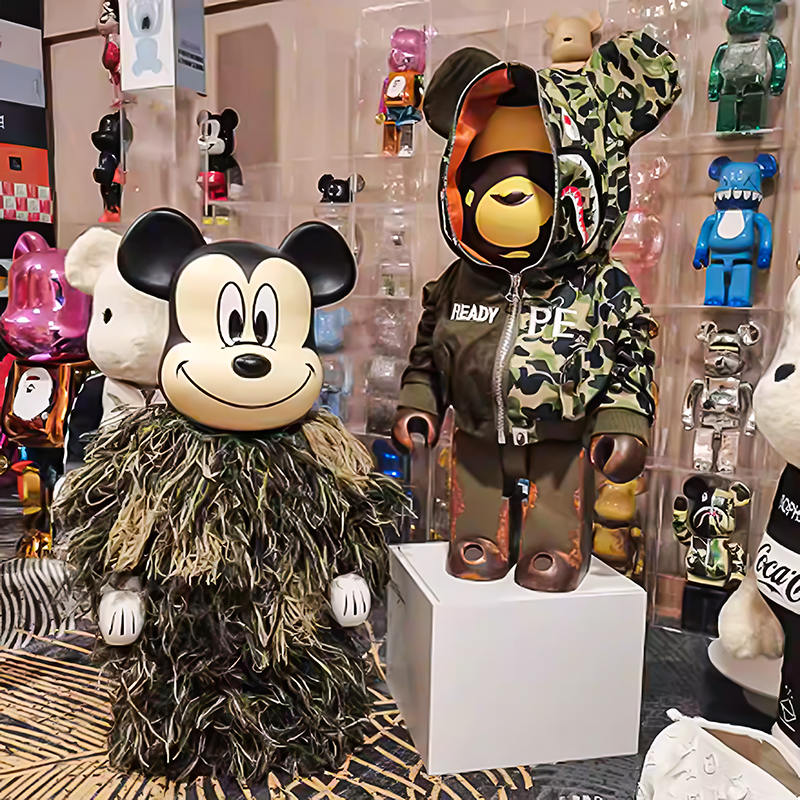
Bearbrick is a well-known building block bear toy produced by the Japanese company MEDICOM. It was officially launched i...
See Details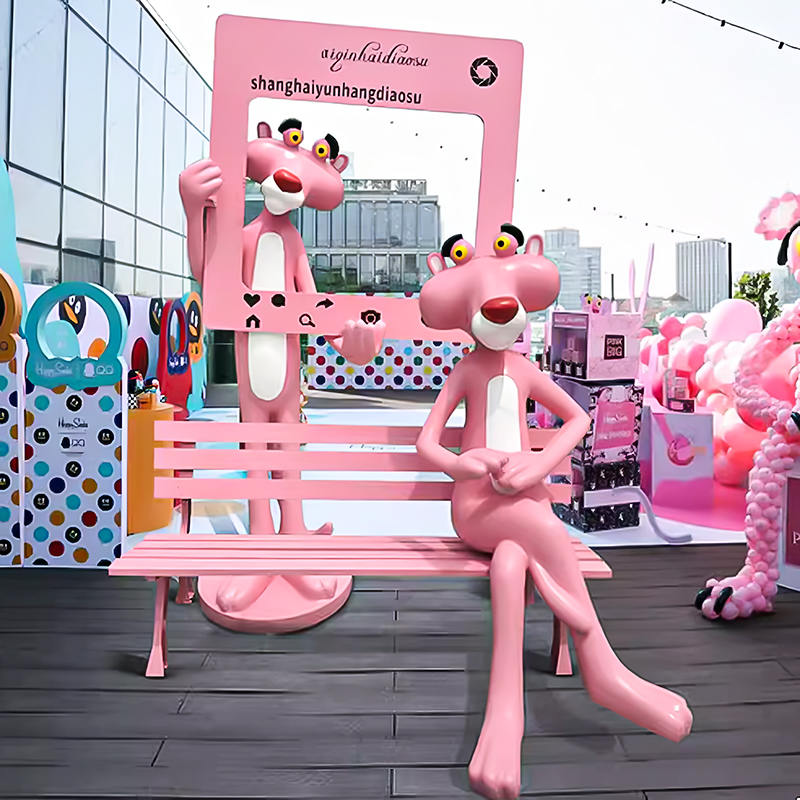
Outdoor Park Fiberglass Cartoon Playful Pink Panther Statue is made of high-quality weather-resistant fiberglass, which ...
See Details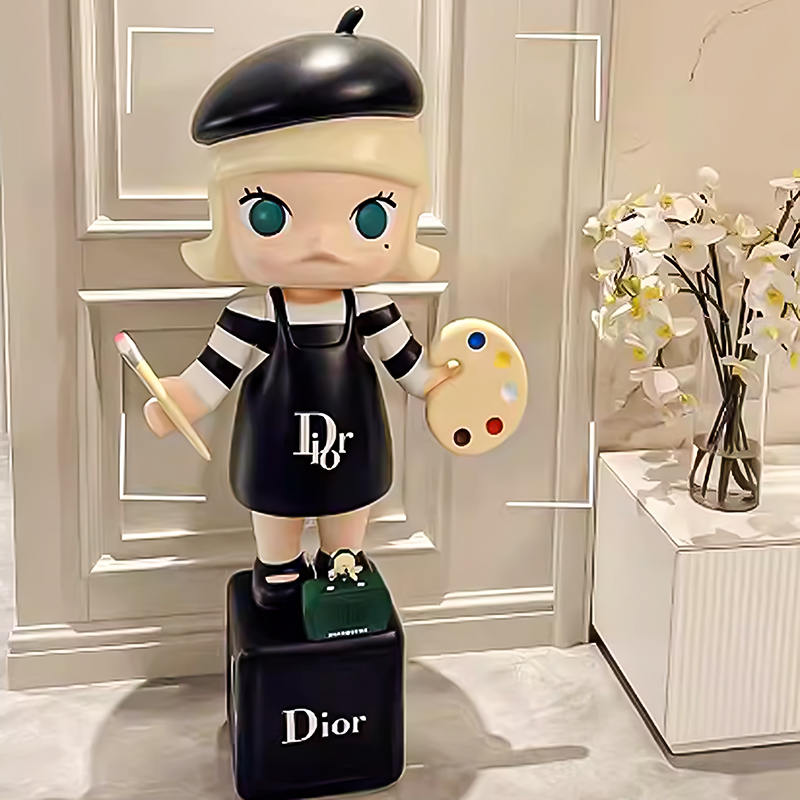
Home Decor Fiberglass Cartoon Pop Mart Sculptures can be placed in any living space, office or collection space. Lightwe...
See Details
Copyright © Jiangsu Chuanggeng Arts & Crafts Co., Ltd. All Rights Reserved.
FRP/Fiberglass/ Resin/Vinyl Art Sculptures Statues Manufacturers
