
 English
 Français
 عربى
عربىKaws, the creator is an American street artist with representative works such as "The Long Way Home". In 2006, he founde...
See Details

Article Directory
Creating a real life cartoon sculpture is a complex engineering feat that extends far beyond mere artistic expression. When a 2D character with an oversized head and spindly legs is translated into a 10-meter-tall physical structure, the laws of physics—specifically center of gravity and wind load—become the primary constraints. At Jiangsu Chuanggeng Crafts Co., Ltd., located in the historic city of Taizhou, we specialize in bridging the gap between whimsical design and structural reality. Our team of senior sculptors and designers utilizes materials ranging from cast copper and stainless steel to durable polyurea coated foam sculptures to bring these icons to life. For any real life cartoon sculpture project, the challenge lies in maintaining the "visual lightness" of the character while ensuring the installation is "economically durable" and safe for public spaces.
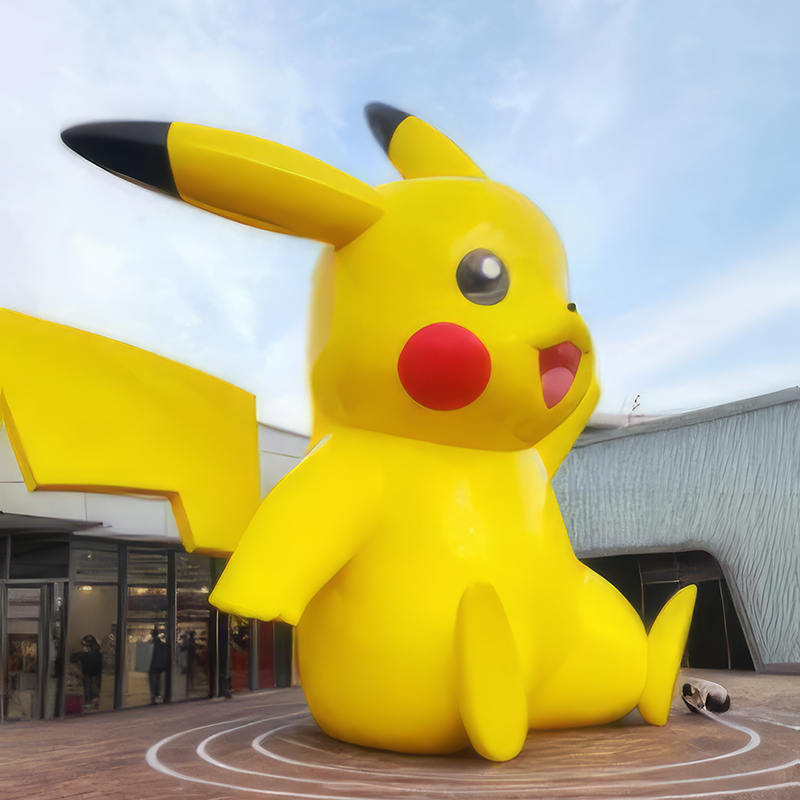
The foundation of any massive real life cartoon sculpture is its internal armature. Because cartoon characters often have non-anatomical proportions, such as massive heads supported by thin necks, a standard vertical pillar is insufficient. Engineers must perform a structural analysis for large cartoon sculptures to determine the bending moments at key joints. When comparing steel vs aluminum armatures for sculptures, steel offers the necessary modulus of elasticity for high-rise pieces, whereas aluminum is reserved for smaller, lightweight indoor figures. To achieve exaggerated proportions in 3D sculptures without visible external supports, designers often hide heavy-duty steel trusses within the character's limbs. This ensures that a fiberglass cartoon character for theme parks can withstand both its own weight and external environmental pressures.
| Material Type | Galvanized Steel Pipe/Truss | Aluminum Alloy Frame |
| Weight-to-Strength Ratio | High Strength / Heavy Weight | Moderate Strength / Light Weight |
| Structural Rigidity | Excellent (Minimal Deflection) | Moderate (Prone to flexing) |
| Best Use Case | Massive real life cartoon sculpture (Outdoor) | Medium-sized indoor cartoon sculpture installation |
The choice of skin material significantly impacts how a sculpture handles gravity. While cast copper vs fiberglass for cartoon models is a common debate, Fiberglass Reinforced Plastic (FRP) is usually the "winner" for massive builds due to its high strength-to-weight ratio. However, for temporary exhibitions or film props, lightweight gypsum for cartoon prop models or foam may be used. To achieve the best paint for outdoor fiberglass sculptures, a multi-layer automotive-grade finish is required to maintain the vibrant, "flat" look of a cartoon. Recently, the use of polyurea (SPUA) has revolutionized the industry, providing a "bulletproof" coating that protects the real life cartoon sculpture from impact and weather while remaining flexible enough to prevent cracking on large surfaces.
A massive real life cartoon sculpture acts like a giant sail. When calculating wind load for outdoor sculptures, designers must account for the "drag coefficient" of the character's shape. An exaggerated character with a wide cape or large ears will face significant lateral force. To counter this, the base design for large scale sculptures must be integrated into the internal armature and bolted to a concrete pad. This is a critical step in how to scale a cartoon character to real life size; the foundation must be heavy enough to lower the overall center of gravity, preventing the top-heavy figure from toppling during a storm. At Jiangsu Chuanggeng Crafts Co., Ltd., we combine "excellence and innovation" to ensure every landscape sculpture we install is a safe and reliable landmark.
| Safety Factor | Standard Proportions | Massive Real Life Cartoon Sculpture |
| Center of Gravity | Predictable (Low) | Complex (Often High or Offset) |
| Foundation Depth | Standard Shallow Pad | Engineered Deep Concrete Footing |
| Wind Resistance | Low Drag | High Drag (Requires internal reinforcement) |
Successfully bringing a real life cartoon sculpture into the physical world requires a deep synergy between senior sculptors and structural engineers. By balancing the whimsical exaggerated proportions in 3D sculptures with rigorous structural analysis for large cartoon sculptures, we create landmarks that defy the eye but respect the earth. Whether it is for a municipal garden, a commercial space layout, or a film prop, Jiangsu Chuanggeng Crafts Co., Ltd. remains dedicated to providing high-standard products that win through innovation and technical excellence.
Fiberglass (FRP) is ideal because it is lightweight, which reduces the load on the internal steel armature, and it is highly moldable, allowing for the smooth, seamless curves essential for custom 3D cartoon model production.
This is solved through two methods: first, by hiding heavy steel weights in the legs or base of the sculpture, and second, by securing the internal steel skeleton directly to a deep-buried concrete foundation.
Polyurea provides an incredibly tough, waterproof, and impact-resistant skin. It is especially useful for sculptures in high-traffic areas where children or the public might touch or climb on the artwork.
Designers use 3D scanning and CNC foam cutting to ensure the proportions are mathematically identical to the original 2D art. This digital-to-physical workflow maintains the "soul" of the character at any scale.
Yes, but the indoor cartoon sculpture installation process often requires lightweight gypsum for cartoon prop models or thin-shell resin to comply with floor load limits of commercial buildings.
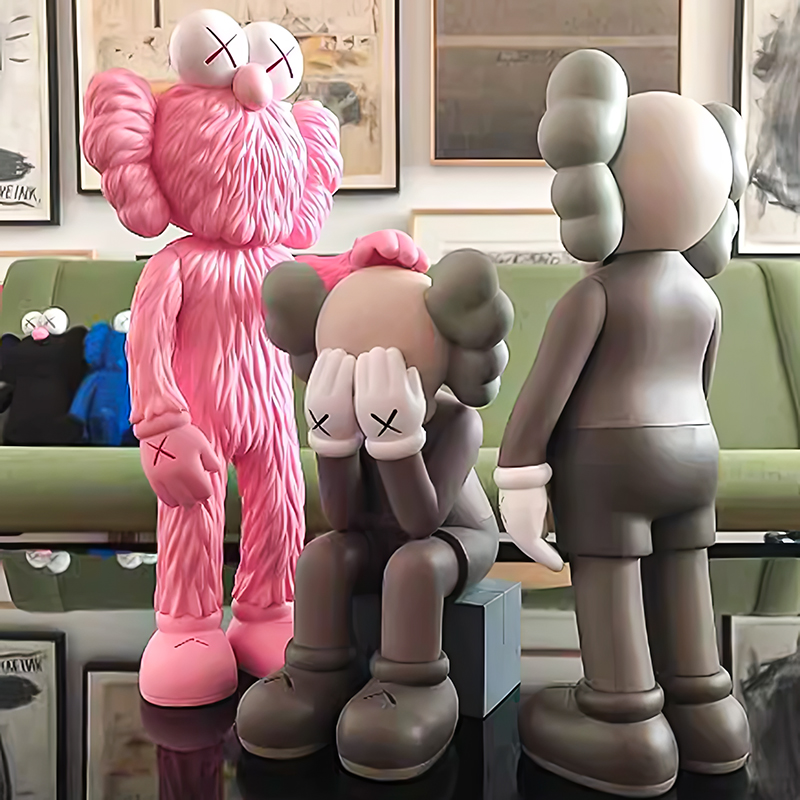
Kaws, the creator is an American street artist with representative works such as "The Long Way Home". In 2006, he founde...
See Details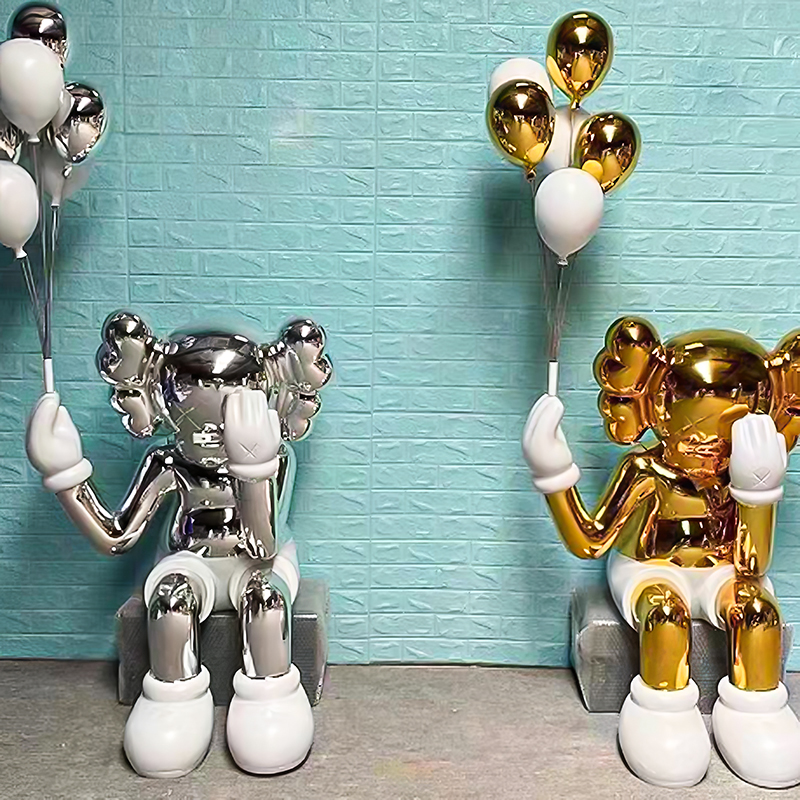
KAWS is a well-known trendy brand in the United States, more notably its dolls, which are very personalized and recogniz...
See Details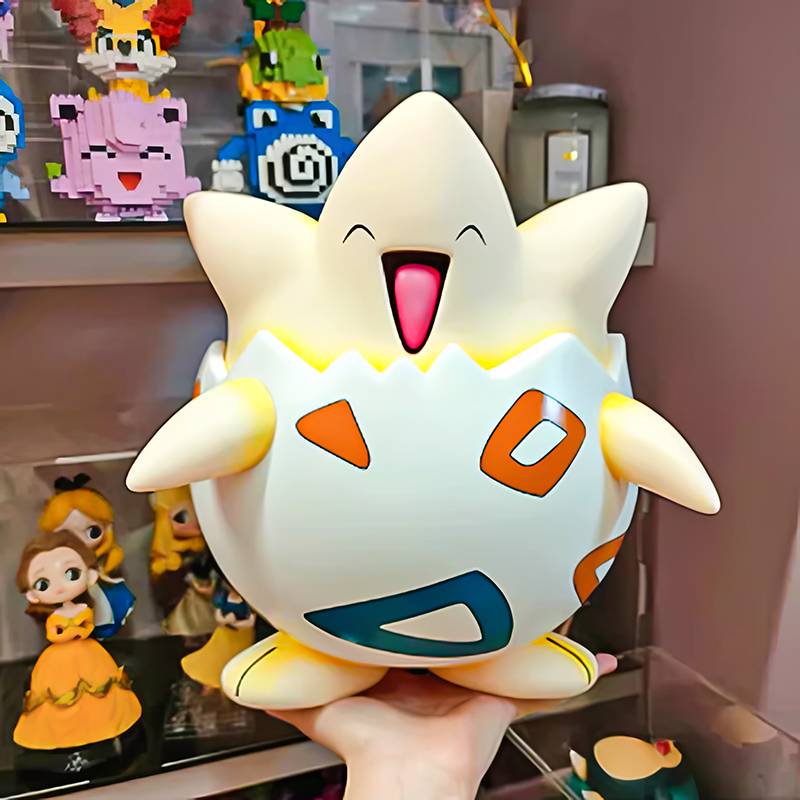
The Pok é Mon series is the selling electronic game series in the world, second only to Nintendo's Super Mario series, a...
See Details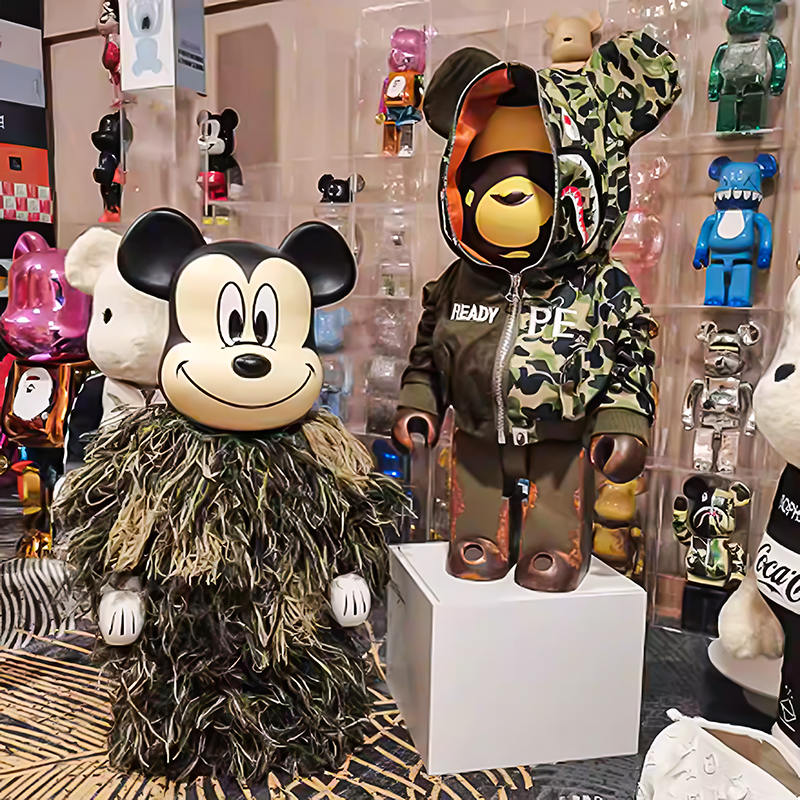
Bearbrick is a well-known building block bear toy produced by the Japanese company MEDICOM. It was officially launched i...
See Details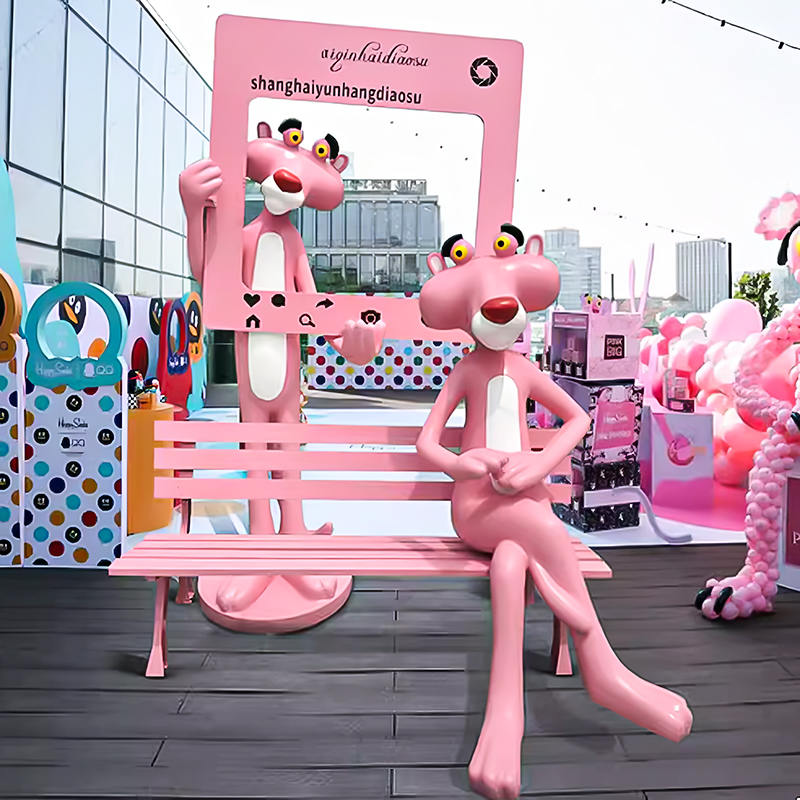
Outdoor Park Fiberglass Cartoon Playful Pink Panther Statue is made of high-quality weather-resistant fiberglass, which ...
See Details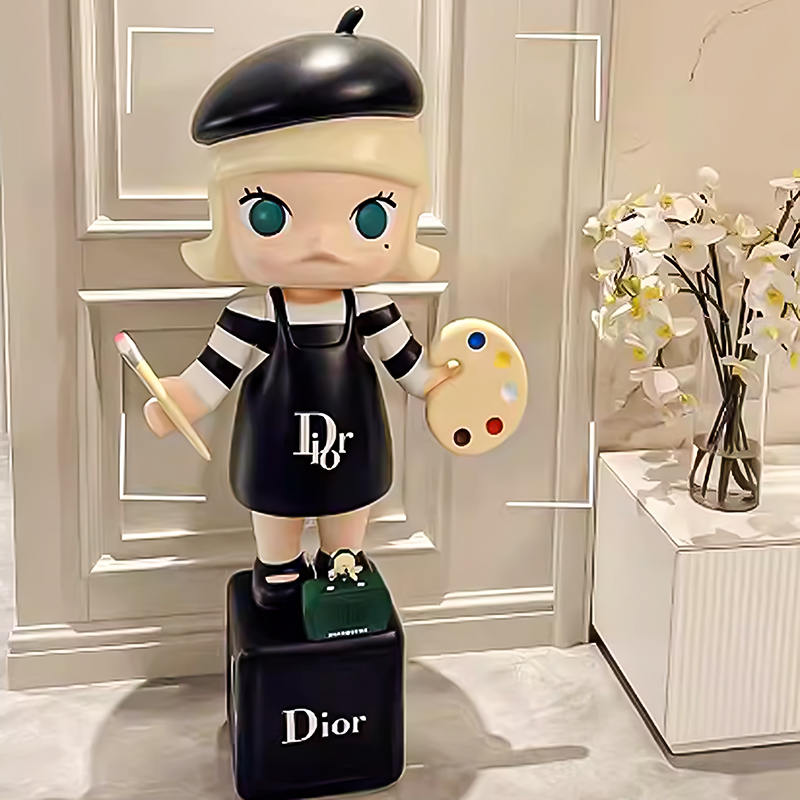
Home Decor Fiberglass Cartoon Pop Mart Sculptures can be placed in any living space, office or collection space. Lightwe...
See Details
Copyright © Jiangsu Chuanggeng Arts & Crafts Co., Ltd. All Rights Reserved.
FRP/Fiberglass/ Resin/Vinyl Art Sculptures Statues Manufacturers
