
 English
 Français
 عربى
عربىKaws, the creator is an American street artist with representative works such as "The Long Way Home". In 2006, he founde...
See Details

Article Directory
Bringing a whimsical character into the physical world requires more than just artistic flair; it demands engineering precision and material expertise. A real life cartoon sculpture serves as a bridge between digital imagination and tangible reality, often acting as a focal point for theme parks, commercial spaces, or private collections. Jiangsu Chuanggeng Crafts Co., Ltd., located in the historic city of Taizhou, specializes in this transformation, utilizing high-specification materials like polyurea (SPUA) and fiberglass to create durable, high-impact art.
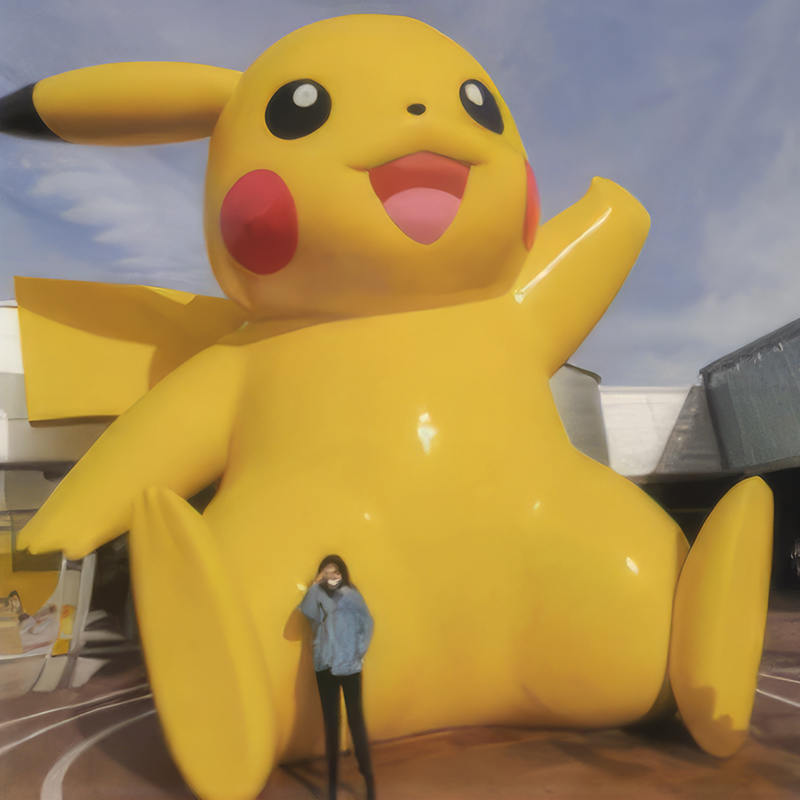
The journey begins with your 2D sketch. However, a common technical hurdle is how to turn a 2D character drawing into a 3D sculpture without losing its original charm. Designers must interpret the "unseen" angles of a drawing, creating a digital or clay maquette to establish volume and silhouette. This stage defines the character's presence in a three-dimensional space.
While 2D art relies on forced perspective, a real life cartoon sculpture must look balanced from 360 degrees. Our senior sculptors from top art schools ensure that the transition preserves the character's "soul" while optimizing its structural center of gravity.
| Design Aspect | 2D Sketch Properties | 3D Sculpture Requirements |
| Perspective | Fixed/Forced perspective | Multidimensional (360-degree) balance |
| Structural Support | Not applicable (Visual only) | Internal armature and weight distribution |
| Surface Detail | Line-based shading | Texture-based tactile depth |
Once the design is finalized, choosing the right material is vital for longevity. Engineers often ask, what are the best materials for outdoor cartoon sculptures? For large-scale projects, fiberglass reinforced plastic (FRP) and resin are preferred for their strength-to-weight ratio. If the project requires a shorter production cycle, high-density foam with a polyurea coating offers a versatile alternative.
Jiangsu Chuanggeng Crafts Co., Ltd. provides a variety of materials including cast copper, stainless steel, and sandstone. The choice often depends on whether the installation is intended for indoor decoration or as a permanent outdoor landscape feature.
| Material | Fiberglass (FRP) / Resin | Polyurea-Coated Foam (SPUA) |
| Durability | Very High (Weather resistant) | Moderate to High (Impact resistant) |
| Production Cycle | Standard (Requires molding) | Short (Direct carving/coating) |
| Cost Efficiency | Premium (Long-term value) | Economical (Low product cost) |
This is where the physical creation happens. For a real life cartoon sculpture, we start with an internal skeleton—usually forged steel or stainless steel—to provide structural integrity. Why use fiberglass for life-size cartoon characters? Fiberglass allows for incredibly intricate detail while remaining light enough for easy installation in commercial spaces or schools.
The process involves:
To achieve the "cartoon" look, the surface finish must be flawless. How to achieve a smooth finish on 3D cartoon models involves multiple stages of sanding followed by high-grade automotive paints. Our team can replicate the artistic effect of imitating metal, rock, or wood, depending on the client's specific aesthetic needs.
The application of a UV-resistant clear coat is a high-standard requirement to ensure the colors remain vibrant under the sun. This is a core part of how to maintain the color of outdoor cartoon sculptures over several years of exhibition.
The final step is the professional installation. Jiangsu Chuanggeng Crafts Co., Ltd. manages the entire process from design to on-site mounting. Whether it is a municipal garden landscape or a film and television prop, every sculpture undergoes a rigorous quality check to ensure it is safe, reliable, and economically durable.
Final inspections cover:
The production cycle depends on the size and material. Foam and polyurea projects can be completed quickly, while molded fiberglass or cast copper sculptures typically take 4 to 8 weeks depending on complexity.
Yes. By using materials like 304 stainless steel, fiberglass, or SPUA (polyurea), sculptures are engineered to resist rain, UV radiation, and temperature fluctuations common in garden landscapes.
Cost varies based on the chosen material and scale. Jiangsu Chuanggeng Crafts Co., Ltd. focuses on providing "low product cost" solutions through efficient design and production without compromising high standards.
Absolutely. While a 2D sketch is a great start, our designers can work from photos, digital renders, or even detailed descriptions to create a full 3D model.
Polyurea provides a seamless, waterproof, and highly impact-resistant skin over foam models. It is excellent for festival decorations or stage props where durability and light weight are required simultaneously.
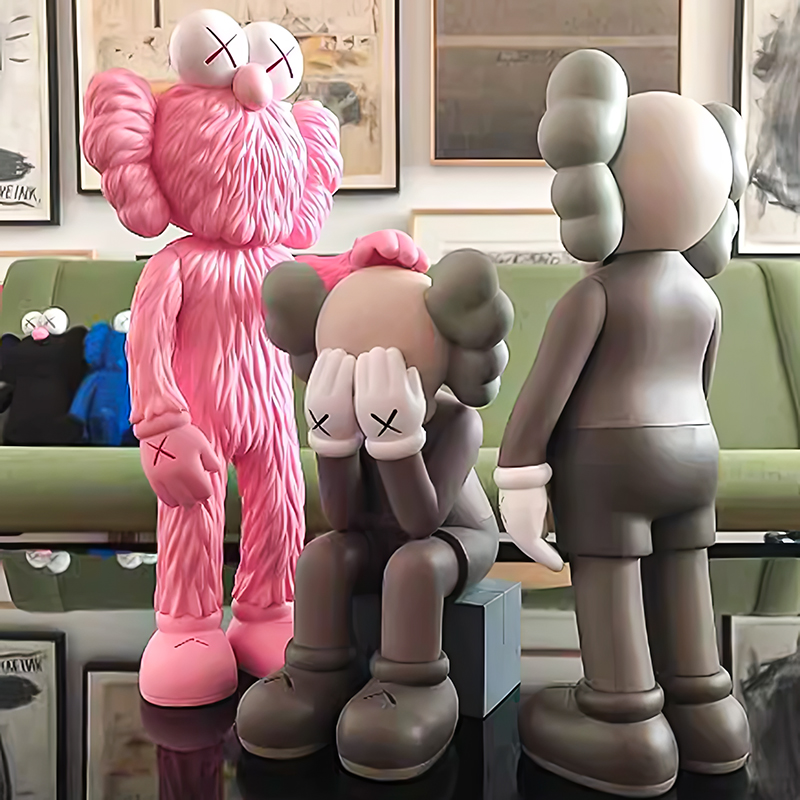
Kaws, the creator is an American street artist with representative works such as "The Long Way Home". In 2006, he founde...
See Details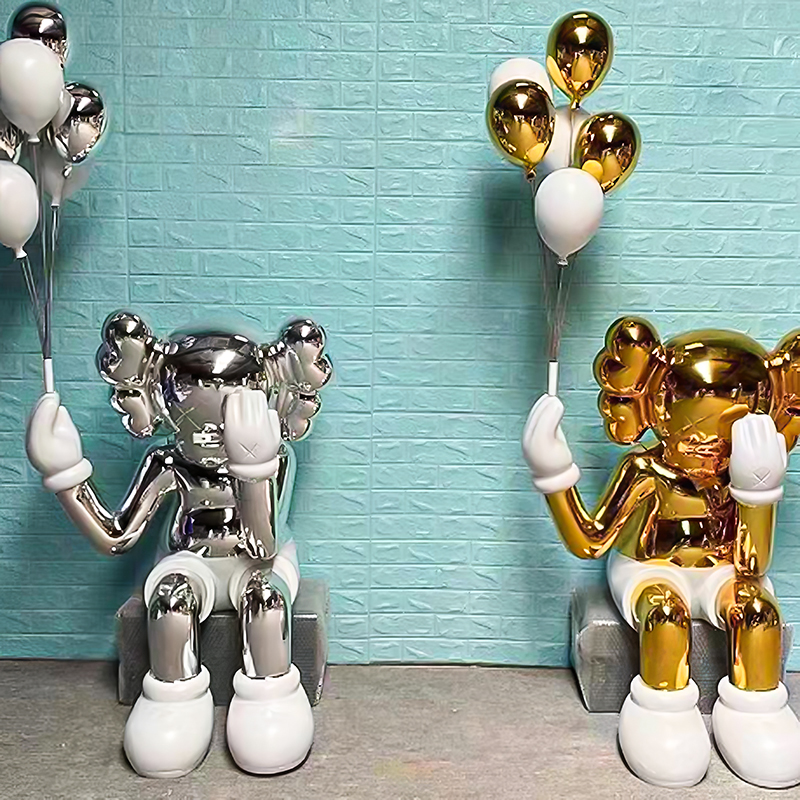
KAWS is a well-known trendy brand in the United States, more notably its dolls, which are very personalized and recogniz...
See Details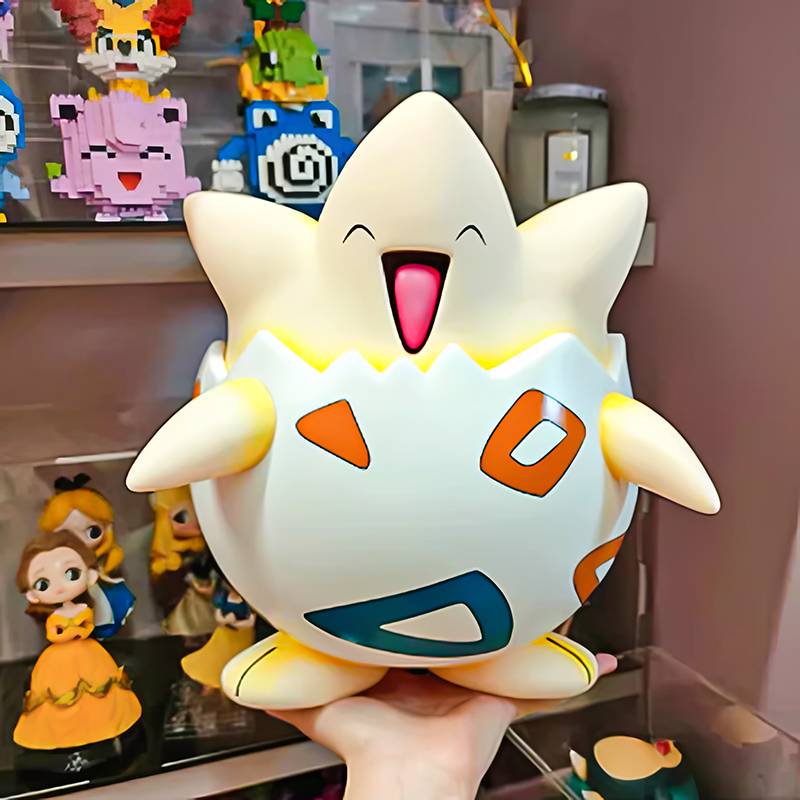
The Pok é Mon series is the selling electronic game series in the world, second only to Nintendo's Super Mario series, a...
See Details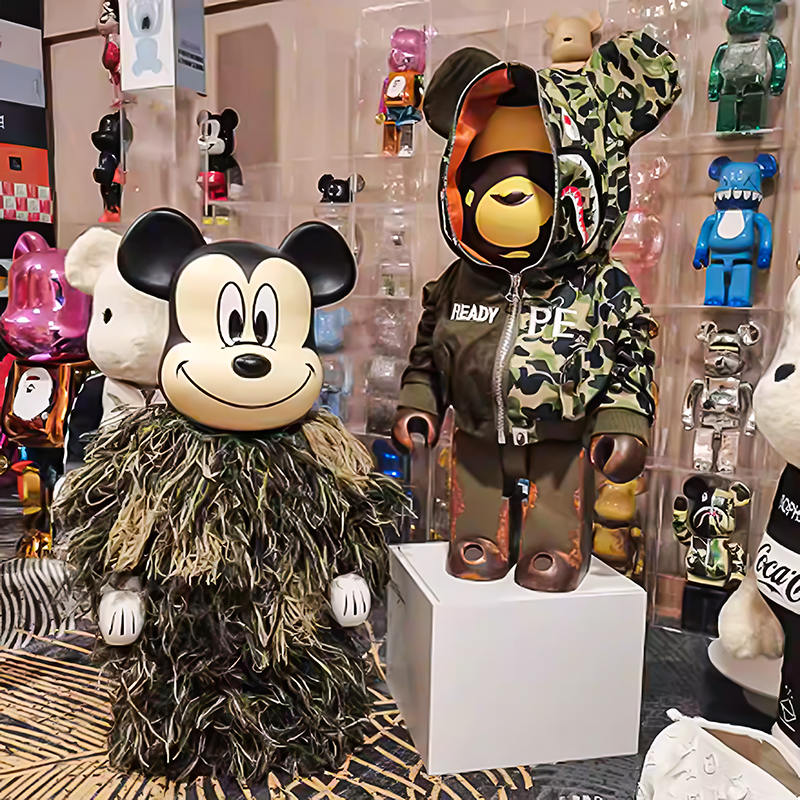
Bearbrick is a well-known building block bear toy produced by the Japanese company MEDICOM. It was officially launched i...
See Details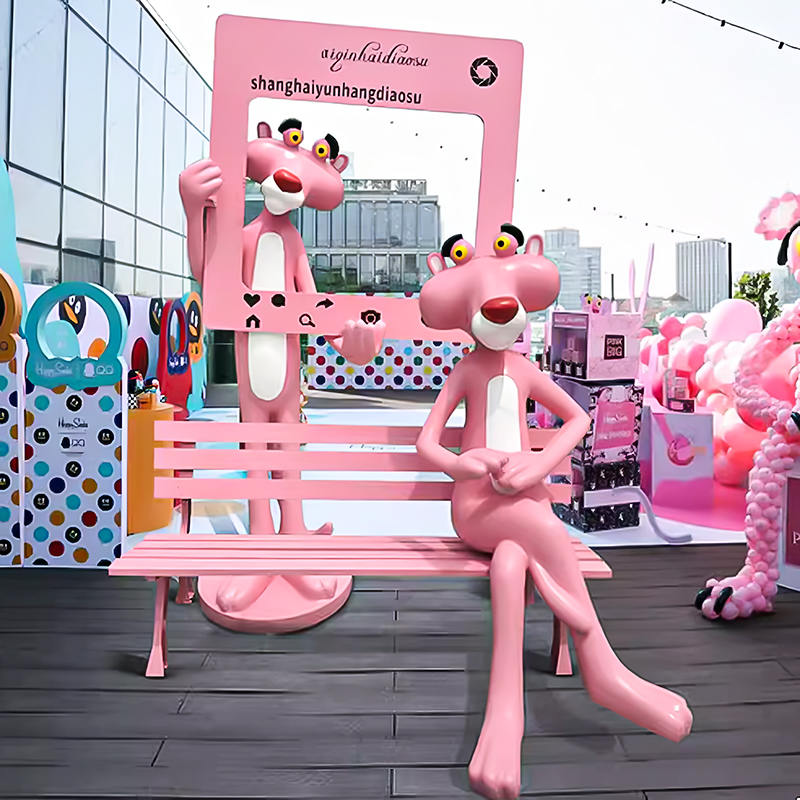
Outdoor Park Fiberglass Cartoon Playful Pink Panther Statue is made of high-quality weather-resistant fiberglass, which ...
See Details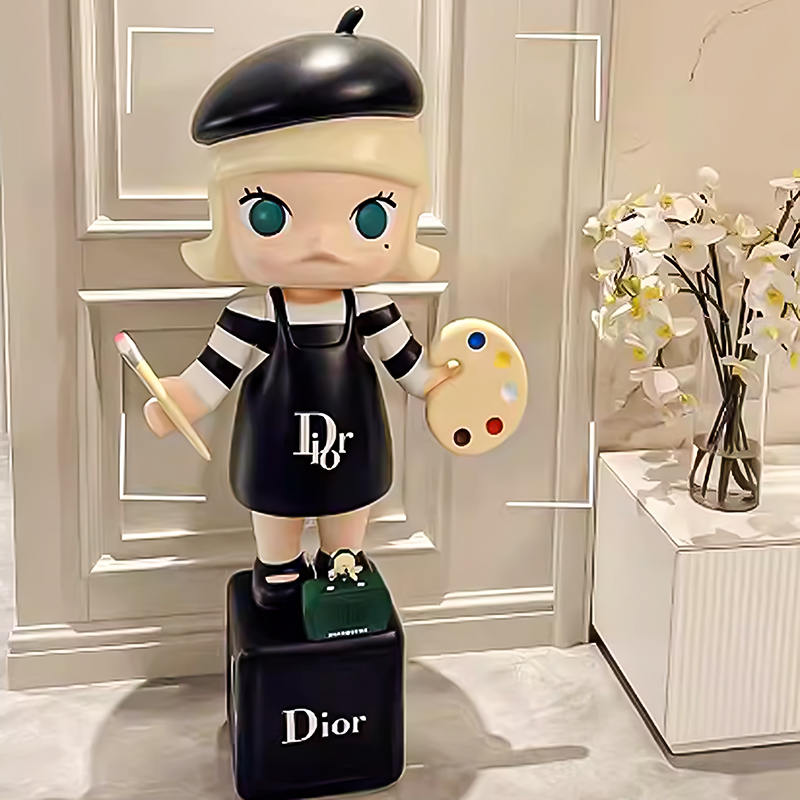
Home Decor Fiberglass Cartoon Pop Mart Sculptures can be placed in any living space, office or collection space. Lightwe...
See Details
Copyright © Jiangsu Chuanggeng Arts & Crafts Co., Ltd. All Rights Reserved.
FRP/Fiberglass/ Resin/Vinyl Art Sculptures Statues Manufacturers
